
















Arsheya POV
Surrounded by a mirage of ghastly hues—red, yellow, brown—I realised global health is not just about statistics. It is about survival, dignity, and hope. At sixteen, thousands of kilometres away from Noida, I stood in the middle of a Sierra Leonean hospital during the outbreak of a monkeypox epidemic. What had once been a distant debate topic in Model UNs was suddenly no longer theory—it was real, as palpable as the fear in a mother’s eyes while her child cried out in Krio for help.
A Personal Spark
My journey toward global health began much earlier, and much closer to home. I am a burn survivor. At an age when most children are carefree, I was grappling with pain, recovery, and the long process of healing. I often wondered: did others like me have the same access to treatment, doctors, and family support that I was fortunate to receive?
Also Read: Protecting Young Brains: Understanding Stroke in Children
My mother became my compass. She encouraged me to explore these questions, guiding me toward NGOs that worked with trauma survivors. As conversations deepened, I learned that many philanthropists sponsor entire hospitals abroad. That revelation planted a seed in me: if others could transform healthcare systems in distant countries, why couldn’t I do something similar for underserved hospitals closer to home?
It was during this search that I connected with a sponsor working in Sierra Leone. He told me about City Garden Hospital in Makeni. Listening to his stories, I was left astounded. Here I was, questioning the effectiveness of my own country’s medical system, while in Sierra Leone there were people living in the absolute absence of one. That contrast became the catalyst for my decision to travel there.
What's New in Free Kids Learning?

Educational Games
Educational games are games explicitly designed for educational purposes with incidental or secondary educational value.
Click to Learn
Educational Video
Educational Videos increase student engagement in online classes, which helps boost their achievement.
Click to Learn
Worksheets
Worksheets are an essential part of a kid's learning process. It provides them to test their Learning and involve them in regularpractice.
Click to Learn
Questions
Kids cherish inquiring questions and their consistent 'Whys, How's, Who's are sufficient to drive indeed.
Click to Learn
Stories
Stories are the best way to develop a child's imagination by introducing new ideas into their world.
Click to Learn
Poems
Poems are perfect for young children to enhance their vocabulary and read skills. they may think poetry is incredible!
Click to LearnA Nation at the Edge
Sierra Leone stands at a fragile intersection of history. Once colonised by the British, it was left with deep inequalities in governance and infrastructure. A brutal civil war (1991–2002) killed more than 50,000 people and dismantled trust in its institutions. The 2014 Ebola epidemic further ravaged its healthcare system, claiming over 4,000 lives. Today, endemic diseases like malaria, tuberculosis, and HIV continue to take 20% of child deaths annually, while the recent spread of monkeypox has worsened the strain.
Coming from Delhi, I was used to crowded but functioning hospitals, affordable pharmacies, and 24-hour electricity. In Sierra Leone, electricity itself could be the difference between life and death. Medicines were rationed, equipment scarce, and patients travelled hours over broken roads only to find overcrowded clinics.
Inside the Wards
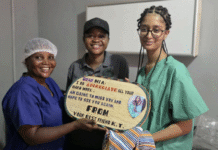
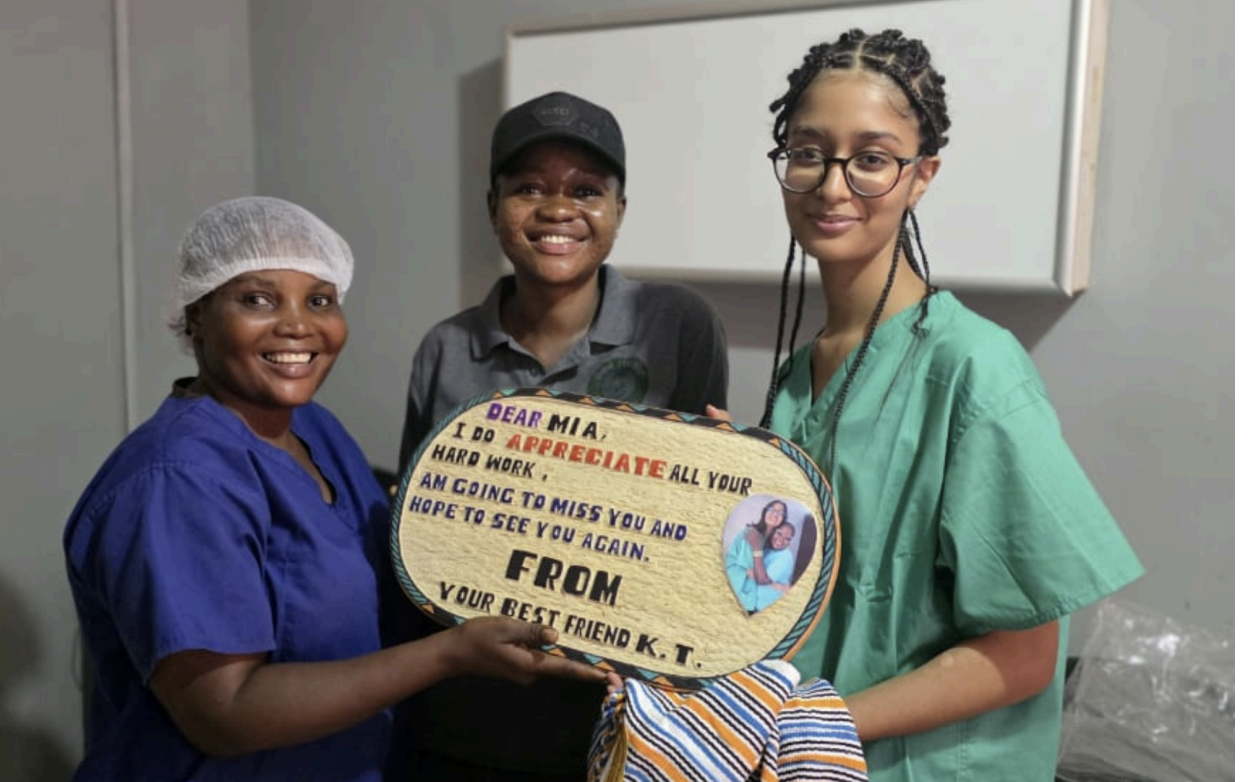
At Makeni Hospital in the Northern Province, I rotated through the Outpatient Department, inpatient wards, laboratory, and even the operating theatre. I registered patients, learned to take vitals, administered IV fluids, and helped prepare for surgeries carried out with basic tools under flickering lights.
Some moments remain etched in me:
- A boy’s fibula rotting with maggots because a cut had been left untreated in favour of prayers.
- A pregnant woman screaming from a dental abscess that had consumed her jaw.
- A bone saw was replaced with a carpenter’s tool for lack of proper equipment.
I realised that beyond medical expertise, simple human connection mattered. My Krio and Temni—initially hesitant—slowly improved, allowing me to converse and build trust. Patients never questioned my age or my lack of a medical degree; they only saw my willingness to help.
Beyond the Hospital
Weekends took me to Yele, where I worked in an orphanage with children who had lost parents to war and poverty. We sang songs, played games, and shared prayers. To my surprise, they clapped joyfully to Hindi rhymes, bridging cultures effortlessly. I cooked with local women, grinding chillies on traditional mortars, marvelling at how their love for spice echoed India’s.
Redefining Advocacy
By the end of my stay, I had interacted with over seventy in-patients, countless outpatients, and presented my observations on the strengths and weaknesses of the facility to its doctors. The greatest lesson was not only about inequality but also about resilience—how people adapt and survive with almost nothing.
Back in India, I refused to let the experience end as just a memory. I am now working to create a supply chain that connects Sierra Leonean hospitals with Indian OEMs for affordable medicines and equipment, reducing dependence on unreliable suppliers. I am also exploring tele-consultation partnerships with Indian doctors at AIIMS and Apollo, enabling Sierra Leonean clinics to access expertise they otherwise lack.
Insights from Internship Students: Testimonials

A Shared Humanity
What began as an “adventure” became a transformative experience of service and advocacy. My own story as a burn survivor had first taught me to value healthcare as a lifeline, but Sierra Leone showed me what life looks like in its near-total absence.
From Noida to Sierra Leone, I learned that the first step in redefining global health advocacy is not to arrive as a saviour but as a witness, a learner, and a partner in dignity.
Journo POV
At just seventeen, Arsheya has already lived a story of resilience that many would take a lifetime to write. A burn survivor herself, she grew up asking questions that most children never pause to consider: did other survivors have the same access to medical care and support that she was fortunate to receive? Encouraged by her mother, who connected her to NGOs working in healthcare, those early questions slowly expanded into a larger, urgent curiosity about inequality in global health.
It was during this search that she encountered a philanthropist who sponsored medical facilities in Africa. Their conversations introduced her to City Garden Hospital in Sierra Leone, a country that had been repeatedly battered by civil war, Ebola, and the more recent monkeypox epidemic. The sponsor’s accounts left her astounded: while she had been questioning inefficiencies in India’s system, there were people living in the complete absence of one. That revelation planted the seed for her summer in Sierra Leone.
A Fragile Healthcare Landscape
Sierra Leone’s medical infrastructure tells a story of repeated devastation. Colonial exploitation left deep inequalities in governance and healthcare. A decade-long civil war (1991–2002) killed more than 50,000 people and destroyed trust in public institutions. The 2014 Ebola epidemic claimed more than 4,000 lives, leaving behind shattered hospitals and traumatised communities. Today, endemic diseases such as malaria, tuberculosis, and HIV continue to account for nearly 20% of child deaths annually, while outbreaks like monkeypox pile fresh burdens onto an already weakened system.
For a teenager from Noida, where pharmacies, doctors, and electricity—despite their flaws—are accessible, the contrast was jarring. In Sierra Leone, electricity could decide the difference between life and death. Scarce supplies meant every vial of medicine, every piece of equipment, carried the weight of survival.
Immersed in Service
Arsheya’s work placed her in Makeni, at the City Garden Hospital. There, she rotated through the Outpatient Department, inpatient wards, laboratory, and even the operating theatre. She registered patients, recorded vitals, assisted with IV fluids, and observed surgeries conducted with rudimentary tools under flickering lights.
Some of the stories she witnessed were heartbreaking. A boy’s fibula rotted with maggots because a small cut had been treated only with spells and prayers. A pregnant woman writhed in agony from a dental abscess that had consumed her jaw. Without proper equipment, doctors used carpentry tools in place of surgical instruments.
Her role was not that of a doctor, but of a bridge. By attempting Krio and Temni, the local languages, she built trust with patients. She spent time listening, giving them a space to share their fears. What struck her most was that no one questioned her age or her lack of medical training—they only valued her willingness to be there.
- Career Helper suggests occupations that correspond to your interests, values, aspirations, and personality.
-
Career Helper consists:
- IQ Test
- Basic Test
- Advance Test
- Psychometric Test
- Know your talents, skills, strengths, and weaknesses.
- Choose the profession that suits you best
- Get best career guidance by Experts.
- Know your career options with Easyshiksha. There are a lot of interesting career options in India you can consider after school and Indian colleges are now offering you some unique courses.
Beyond the Hospital Walls
On weekends, Arsheya travelled to Yele, where she worked at an orphanage for children who had lost parents to war and poverty. She cooked alongside women of the household, learning to grind chillies in wooden mortars, marvelling at how their love for spice mirrored India’s. Children at the orphanage sang Hindi clapping games with joy, despite not knowing the language—a small but powerful reminder of how cultures can connect across distance.
Turning Witnessing into Advocacy
By the end of her time in Sierra Leone, Arsheya had engaged with more than seventy in-patients, countless outpatients, and even presented her findings on the strengths and weaknesses of the hospital’s systems to its doctors. But the experience did not end there.
Back in India, she is now working to create sustainable solutions: establishing supply chains to connect Sierra Leonean hospitals with Indian OEMs for affordable medicines and equipment, reducing dependence on unreliable suppliers. She is also exploring tele-consultation partnerships with Indian doctors at institutions such as AIIMS and Apollo, offering expertise remotely where it is unavailable locally.
The Larger Picture
Arsheya’s story is not just about one summer abroad. It is about the convergence of personal struggle and global inequality. Surviving burns as a child gave her an intimate understanding of what it means to rely on a healthcare system to recover and rebuild; Sierra Leone exposed her to the stark reality of what happens when that system barely exists.
From Noida to Sierra Leone, she has emerged as a voice redefining global health advocacy—not by arriving as a saviour, but by listening, learning, and building bridges between worlds that rarely meet.
Get Some Courses: ARM Cortex-M Architecture , Pollution of Air and Water