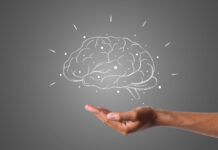


































The application of artificial intelligence (AI) to creative industries represents one of the major shifts to the professional work landscape today. For industries and jobs that are driven by creative work, tools that were once the stuff of science fiction are now altering workflow on the ground in fields like film, animation, graphic design, digital marketing, and many others. The emergence of AI tools are creating entirely new processes, allowing us to consider the role and work of creatives in this industry and others. Though there have been legitimate concerns that machines will take the place of human-created creative endeavors, innovation is ushering in AI as a partner that expands human creativity while handling the majority of repetitive work.
The Changing Nature of Creative Work
AI is transforming the process of creation for humans. Instead of spending hours, or days, in the background development/editing, color correction and layouts, these processes now take few minutes to complete. For creatives, the time savings previously spent on background processes can now be tuned out into high level thinking, deliberate action and artistic creation. AI does not strip human engagement, but rather provides a holistic perspective where the technology does the heavy lifting, and the human perspective contributes vision, judgement and an emotional presence.
Evolving Skillsets for the AI Age
In AI-oriented creative industries, there are equal parts traditional knowledge and technological fluency opportunities for success. The core creative competencies that will still matter in these spaces are artistic core competencies, storytelling, design principles and emotional presence. These competencies are premised on context, meaning.
AI literacy is equally important; the knowledge of the possibilities and limitations of generative tools allows creatives to fold technology usefully into their workflows. Critical thinking and curation become key factors. Professionals will need to guide AI outputs with subtle decisions based on judgment and audience intent. Eventually, adaptability and continuous learning are not something from which one can escape, as AI capabilities evolve at a rapid pace and, in turn, force ongoing refinements in skills.
Impact on Creative Industries
AI has influenced different sectors in various ways:
Design and Visual Arts: AI-powered tools quicken the processes of layout adjustments, creating drafts, and color suggestions. This will make designers free to invest more time in conceptual development, while new professions arise in this field, such as AI-assisted designers and prompt engineers.
Film, Animation, and Beyond: AI-assisted writing analysis, shot production, and VFX give filmmakers the opportunity to play with techniques or ways of working that tended to be too resource-intensive. From generative video tools to AI edits, completely new storytelling pathways are emerging along all the usage and realization modes of video.
Marketing & Advertising: AI enables brands to create custom campaigns, automatically create content, and even predict user behavior. Some of the fastest-emerging roles and positions are directly tied to the ongoing artificial intelligence marketing strategies and creativity data analysis.
Music and Audio Creation: AI allows for faster melody generation, audio and sound manipulation, and sound design to create more expressive products. At this level, creator roles such as AI-audiocomposer will emerge.
Preparing for the Future
Success in AI-driven creative industries will not be limited to knowing only the tools. There is a requirement that one should be able to work comfortably in a cross-disciplinary team that combines artistic craft with technical knowledge. Plus, there will be a sense and understanding of ethics, since there are complexities related to copyright issues, bias, and assumptions that need to be considered with the use and ownership of AI-generated content. Determination based on data backs creative decisions, and adaptability keeps the experts in the tech transition. Besides, Education through programs, training workshops, and career counseling has become more significant due to the wider use of AI in creative sectors. By combining conventional artistic education with AI comprehension, professionals can easily take their place in the future, where the collaboration between human creativity and machine efficiency is the norm.
Also Read: CAT 2025: Mistakes to Avoid in the Final Countdown
Shaping Tomorrow’s Creative Professionals
AI is not taking over the creative professionals but rather altering the context in which creativity is practiced. Careers related to designing, animations and digital content are all slowly becoming hybrid, where human creative imagination sparks the thought and the AI powers the execution. Various descriptions can be attributed to who will be the most efficient worker, but the most effective practitioners will be the ones who determine how to thoughtfully incorporate AI into their work flows and create effective creative foundations and focus on learning. Opportunities like this are an opportunity for students and practitioners to think about what it means to be a creator. If a creator treats AI as a collaborator and not a competitor, you will have the opportunity to innovate in ways you never thought possible, and find efficiencies leading to new career paths.
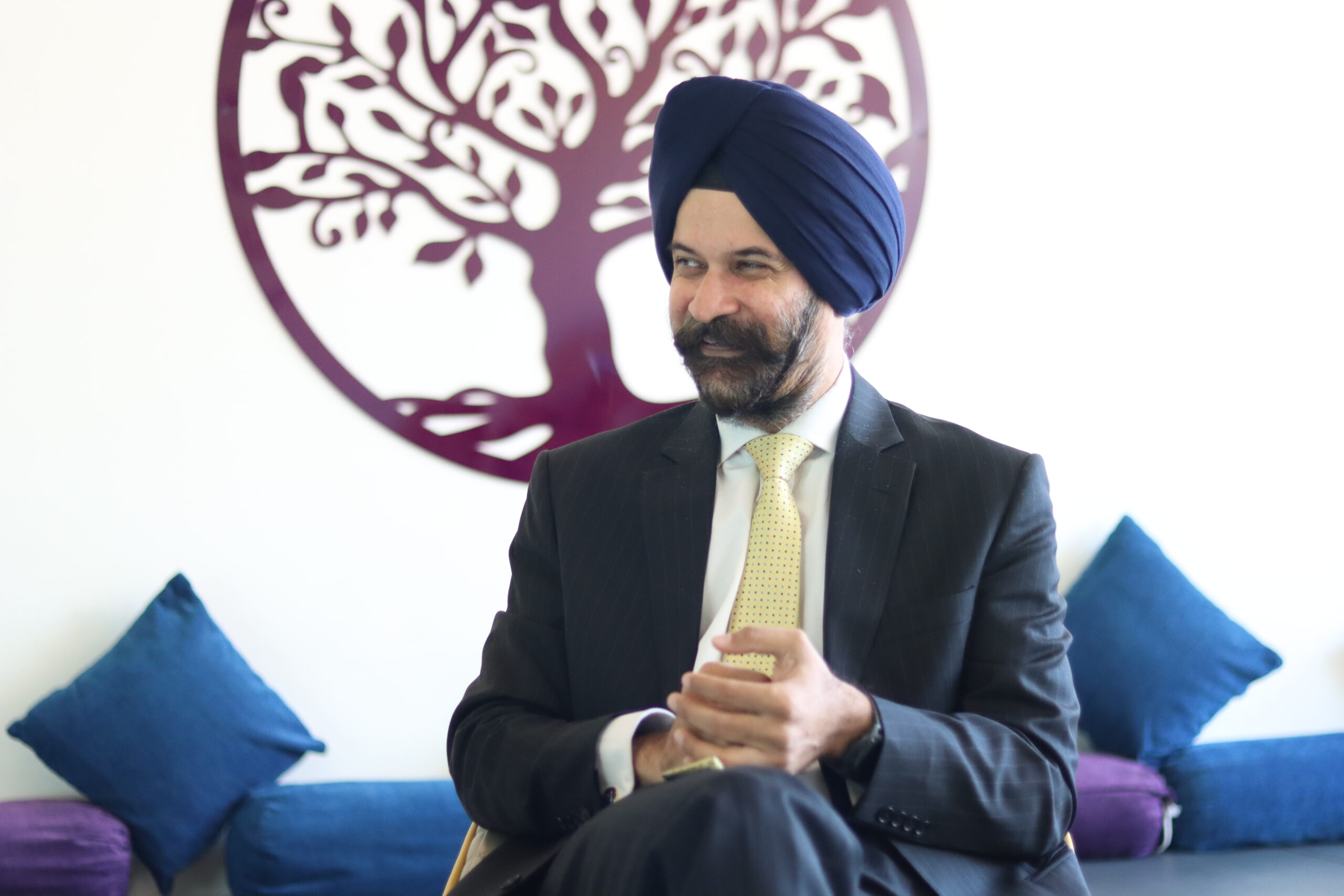
Authored by Mr. Taurn Anand, Founder & Chancellor, Universal Ai University (India’s 1st AI University, a fully residential campus in Karjat, Mumbai, offering AI-embedded programs in Management, Design, Psychology, Music & Engineering.)
Get Skill Development Courses: Fundamentals of Blockchain & Cryptocurrency , Computer Science