




































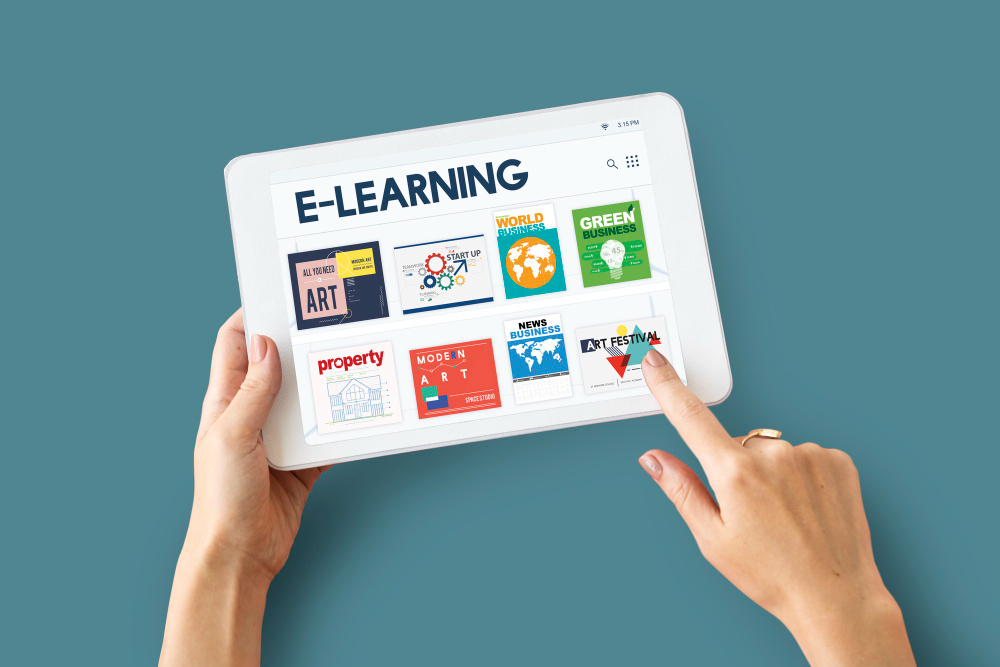
The education landscape has undergone a remarkable transformation over the past decade. Advances in digital technology, widespread internet access, and the demand for flexible learning opportunities have paved the way for a new educational paradigm: e-learning. What was once considered a supplementary method of instruction has now become a central pillar of global education systems.
E-learning platforms are revolutionizing how people learn, teach, and acquire skills. From school students to professionals seeking career advancement, learners now have access to knowledge and training that was once limited by geography, cost, or institutional boundaries. By combining interactive technology, data-driven learning models, and flexible access to resources, e-learning platforms are reshaping education in ways that were unimaginable just a few decades ago.
This article explores how e-learning platforms are changing education, highlighting their benefits, challenges, and long-term impact on the future of learning.
The Evolution of Education in the Digital Era
For centuries, education relied primarily on physical classrooms, printed textbooks, and face-to-face instruction. While this model served societies well for many years, it also presented limitations. Access to quality education often depended on a learner’s location, financial resources, and the availability of institutions nearby.
With the rise of the internet and digital technologies, these barriers began to diminish. Educational institutions and independent platforms started offering online courses, virtual classrooms, and digital learning resources. The rapid adoption of smartphones, tablets, and high-speed internet further accelerated this shift, allowing learners to access educational content anytime and anywhere.
Today, e-learning platforms represent a major evolution in education. They combine technology with pedagogy to deliver engaging, flexible, and personalized learning experiences.
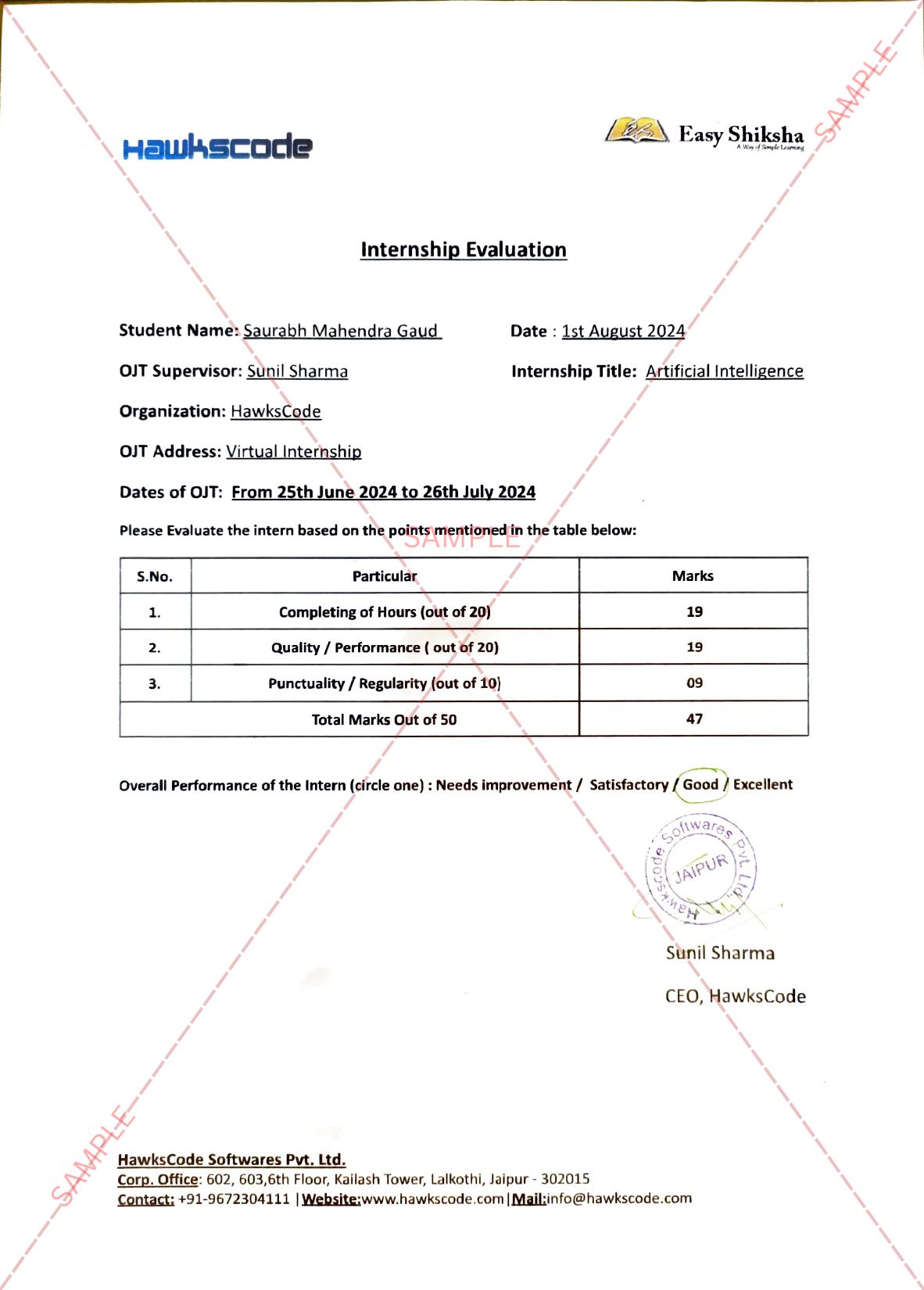
Also Read: How EasyShiksha Helps Students from Small Towns Access Quality Education
Expanding Access to Education Worldwide
One of the most significant impacts of e-learning platforms is their ability to expand access to education. Traditional learning environments often exclude individuals who cannot attend physical institutions due to financial constraints, geographic limitations, or personal responsibilities.
E-learning platforms address these challenges by making education accessible through the internet. Learners from remote regions can participate in courses offered by institutions and experts located thousands of miles away. This democratization of knowledge allows individuals from diverse backgrounds to pursue educational opportunities that were previously unattainable.
Furthermore, many platforms offer free or low-cost courses, making education more affordable for students and professionals alike. By reducing the financial burden associated with traditional education, e-learning platforms empower more people to invest in their personal and professional growth.
Flexibility and Self-Paced Learning
Traditional classroom education often follows rigid schedules and standardized curricula, leaving little room for individual learning preferences. In contrast, e-learning platforms offer flexibility that allows learners to study at their own pace.
Students can access lectures, assignments, and course materials whenever it is convenient for them. This flexibility is particularly beneficial for working professionals, parents, and individuals who must balance education with other responsibilities.
Self-paced learning also allows students to spend more time on challenging topics and move quickly through material they already understand. As a result, learners gain a deeper and more personalized understanding of the subject matter.
Personalized Learning Experiences
E-learning platforms are increasingly incorporating advanced technologies such as artificial intelligence and data analytics to create personalized learning experiences. These technologies analyze learner behavior, performance, and preferences to recommend content tailored to individual needs.
For example, if a learner struggles with a particular concept, the platform may provide additional resources, practice exercises, or alternative explanations. Conversely, learners who demonstrate strong understanding can progress to more advanced material without unnecessary repetition.
Personalized learning not only improves engagement but also enhances learning outcomes by ensuring that each student receives instruction suited to their unique abilities and goals.
Interactive and Engaging Learning Methods
Modern e-learning platforms go beyond static text and recorded lectures. They integrate multimedia elements such as videos, animations, simulations, quizzes, and discussion forums to create interactive learning environments.
These features encourage active participation rather than passive consumption of information. Students can engage with content through practical exercises, collaborative projects, and real-time feedback.
Gamification is another powerful tool used by e-learning platforms to enhance engagement. By incorporating elements such as points, badges, and leaderboards, platforms motivate learners to complete tasks and track their progress in a fun and rewarding way.
Supporting Lifelong Learning
The rapid pace of technological and economic change has made lifelong learning essential. Skills that were once sufficient for an entire career may become outdated within a few years. As industries evolve, professionals must continuously update their knowledge and abilities.
E-learning platforms provide an ideal solution for lifelong learning. They offer courses in a wide range of subjects, from technical skills and business management to creative arts and personal development. Professionals can acquire new competencies without leaving their jobs or committing to lengthy degree programs.
By enabling continuous learning, e-learning platforms help individuals remain competitive in the job market and adapt to emerging opportunities.
Enhancing Collaboration and Global Networking
Despite being delivered online, e-learning platforms often foster strong communities of learners. Discussion forums, group projects, and virtual classrooms allow students to interact with peers and instructors from around the world.
These interactions promote knowledge sharing, cultural exchange, and collaborative problem-solving. Students gain exposure to diverse perspectives and build professional networks that can extend beyond the duration of the course.
Global networking opportunities are particularly valuable in fields such as technology, business, and research, where collaboration across borders is increasingly common.
Bridging the Gap Between Education and Industry
Another significant advantage of e-learning platforms is their ability to align education with industry needs. Traditional academic programs sometimes struggle to keep pace with rapidly changing professional requirements.
E-learning platforms, however, can update their courses quickly to reflect new technologies, tools, and methodologies. Many collaborate with industry experts and organizations to design curricula that address real-world challenges.
Some platforms also offer practical assignments, virtual internships, and project-based learning experiences that simulate workplace environments. These opportunities help learners develop practical skills that employers value.
Cost Efficiency and Scalability
E-learning platforms offer significant cost advantages compared to traditional education systems. Institutions can deliver courses to thousands of students simultaneously without the need for large physical infrastructure.
For learners, online education eliminates many expenses associated with campus-based programs, such as accommodation, transportation, and printed materials. As a result, students can access high-quality education at a fraction of the cost.
Scalability is another key benefit. Once a course is developed, it can be delivered to an unlimited number of learners worldwide. This scalability allows educational institutions and organizations to reach broader audiences and maximize the impact of their programs.
Empowering Educators Through Technology
E-learning platforms are not only beneficial for students; they also empower educators. Teachers can use digital tools to design interactive lessons, track student progress, and provide personalized feedback.
Analytics dashboards help instructors identify patterns in student performance and adjust their teaching strategies accordingly. For example, if many students struggle with a particular topic, the instructor can revisit the material or provide additional explanations.
Furthermore, educators can reach global audiences and share their expertise beyond the confines of a single classroom or institution.
Challenges and Limitations of E-Learning
Despite its many advantages, e-learning also faces several challenges. One common concern is the lack of face-to-face interaction, which can affect student engagement and communication.
Another issue is the digital divide. Not all learners have reliable internet access or the necessary devices to participate in online education. This disparity can limit the reach of e-learning platforms in certain regions.
Self-discipline is another factor. Without the structure of a traditional classroom, some students may struggle to stay motivated and complete their courses. Addressing these challenges requires ongoing innovation, investment in digital infrastructure, and the development of supportive learning communities.
The Role of Technology in the Future of E-Learning
Emerging technologies are expected to further enhance the capabilities of e-learning platforms. Virtual reality (VR) and augmented reality (AR) can create immersive learning environments that simulate real-world scenarios.
Artificial intelligence will continue to improve personalized learning experiences by analyzing large amounts of data to identify effective teaching strategies. Blockchain technology may also be used to secure digital credentials and verify educational achievements.
These innovations will make online learning more interactive, credible, and accessible, strengthening its role in the global education system.
The Future of Education in a Digital World
The rise of e-learning platforms signals a broader transformation in education. Instead of relying solely on traditional institutions, learners now have access to a diverse ecosystem of educational opportunities.
Hybrid learning models that combine online and offline instruction are becoming increasingly common. Universities, schools, and organizations are integrating digital tools into their curricula to enhance flexibility and accessibility.
As e-learning continues to evolve, it will play a central role in shaping the future of education. By embracing technology, educational institutions can expand their reach, improve learning outcomes, and prepare students for a rapidly changing world.
Conclusion
E-learning platforms are redefining the boundaries of education. By leveraging digital technology, they provide flexible, accessible, and cost-effective learning opportunities for people around the globe.
From personalized learning experiences to global collaboration and industry-aligned training, e-learning platforms offer solutions to many challenges faced by traditional education systems. While obstacles such as digital inequality and self-discipline remain, ongoing innovation continues to improve the effectiveness of online learning.
As technology advances and educational needs evolve, e-learning will remain a driving force in shaping the future of education. By embracing this transformation, learners, educators, and institutions can unlock new possibilities for knowledge sharing, skill development, and lifelong learning in the digital age.
Get Some Courses: OSINT and the Dark Web , QuickBooks for freelancers and self-employed