





















The education landscape has undergone a profound transformation in recent years, driven by rapid technological advancements and changing learner needs. Traditional classroom-based education, once considered the gold standard, is now being complemented and, in some cases, redefined by digital learning solutions. Among these innovations, hybrid learning has emerged as a powerful model that combines the strengths of both online and offline education.
Hybrid learning, also referred to as blended learning, integrates face-to-face classroom instruction with digital learning experiences. This approach provides students with greater flexibility, accessibility, and personalization while retaining the benefits of direct interaction with educators. For platforms like EasyShiksha, hybrid learning represents a strategic opportunity to enhance educational delivery and create a more dynamic and inclusive learning environment.
Understanding the Concept of Hybrid Learning
Hybrid learning is not merely a combination of online and offline modes; it is a carefully structured approach that leverages the advantages of both formats. In a hybrid model, certain components of a course are delivered online, allowing students to learn at their own pace, while other components are conducted in a physical classroom to facilitate interaction, discussion, and hands-on activities.
This model encourages a shift from teacher-centered instruction to student-centered learning. Students are empowered to take control of their educational journey, accessing digital resources, participating in virtual discussions, and applying their knowledge in real-world contexts during in-person sessions. EasyShiksha can effectively implement this model by integrating its online courses with offline workshops, mentoring sessions, and practical training programs.
Also Read: Freelancing opportunities for students after online learning
The Evolution of Learning Models
Education has evolved significantly over time, transitioning from purely traditional methods to fully digital platforms. The emergence of hybrid learning marks a new phase in this evolution, where the focus is on creating a balanced and adaptive learning experience.
Initially, online education was viewed as a supplementary tool, primarily used for distance learning. However, advancements in technology and the increasing demand for flexible education have elevated its importance. At the same time, the limitations of fully online learning, such as lack of personal interaction and reduced engagement, have highlighted the need for a blended approach.
Hybrid learning addresses these challenges by combining the best aspects of both worlds. It ensures that students benefit from the convenience of online learning while maintaining the social and interactive elements of traditional education. EasyShiksha, with its digital-first approach, is well-positioned to lead this transition by incorporating hybrid learning strategies into its offerings.
Key Features of Hybrid Learning
Hybrid learning is characterized by its flexibility, accessibility, and adaptability. One of its most significant features is the ability to provide personalized learning experiences. Students can access online materials at their own pace, revisit concepts as needed, and engage with interactive content that enhances understanding.
Another important feature is the integration of technology into the learning process. Digital tools such as video lectures, discussion forums, and online assessments play a crucial role in delivering content and evaluating performance. At the same time, offline sessions provide opportunities for collaborative learning, practical exercises, and direct feedback from instructors.
The hybrid model also promotes continuous learning by enabling students to access resources anytime and anywhere. This flexibility is particularly beneficial for individuals who need to balance education with other responsibilities. EasyShiksha can leverage these features to create a comprehensive learning ecosystem that caters to diverse student needs.
Benefits of Hybrid Learning for Students
Hybrid learning offers numerous advantages that enhance the overall educational experience. One of the primary benefits is increased flexibility, allowing students to manage their time more effectively. By combining online and offline components, students can tailor their learning schedules to suit their individual preferences and commitments.
Another significant advantage is improved engagement. The use of multimedia content, interactive tools, and real-time discussions creates a more dynamic learning environment. Students are more likely to stay motivated and actively participate in their education.
Hybrid learning also fosters the development of essential skills such as self-discipline, time management, and digital literacy. These skills are critical for success in the modern workforce, where technology plays a central role. EasyShiksha can enhance these benefits by offering structured hybrid programs that encourage active learning and skill development.
Role of Technology in Hybrid Learning
Technology is the backbone of hybrid learning, enabling seamless integration between online and offline components. Learning management systems, video conferencing tools, and digital collaboration platforms facilitate communication and content delivery.
Platforms like Google Classroom provide a centralized space for managing courses, assignments, and student interactions. Similarly, tools such as Zoom enable live virtual classes and discussions, bridging the gap between remote and in-person learning.
The use of data analytics and artificial intelligence further enhances the effectiveness of hybrid learning. These technologies can track student performance, identify areas for improvement, and provide personalized recommendations. EasyShiksha can integrate such technologies to create a more responsive and adaptive learning environment.
Challenges in Implementing Hybrid Learning
Despite its many advantages, hybrid learning also presents certain challenges that need to be addressed. One of the primary concerns is ensuring equal access to technology and internet connectivity. Students from diverse backgrounds may face difficulties in accessing online resources, which can impact their learning experience.
Another challenge is maintaining consistency in the quality of education across both online and offline components. Educators must design courses that effectively integrate these elements, ensuring that neither aspect is neglected. Additionally, students may struggle with self-discipline and time management, particularly in the online portion of the course.
To overcome these challenges, institutions like EasyShiksha must invest in robust infrastructure, provide training for educators, and offer support systems for students. By addressing these issues, hybrid learning can be implemented successfully and deliver its full potential.
Hybrid Learning and Skill Development
One of the most significant advantages of hybrid learning is its ability to support skill development. By combining theoretical knowledge with practical application, this model prepares students for real-world challenges.
Online components can provide foundational knowledge and conceptual understanding, while offline sessions can focus on hands-on training, group activities, and problem-solving exercises. This integrated approach ensures that students develop both cognitive and practical skills.
For EasyShiksha, this presents an opportunity to design courses that align with industry requirements. By incorporating internships, workshops, and project-based learning into its hybrid programs, the platform can enhance employability and career readiness.
The Role of Educators in Hybrid Learning
Educators play a crucial role in the success of hybrid learning. They must adapt to new teaching methodologies and leverage technology to deliver effective instruction. This requires a shift from traditional teaching practices to more interactive and student-centered approaches.
In a hybrid environment, educators act as facilitators, guiding students through their learning journey and providing support when needed. They must also be proficient in using digital tools and platforms to create engaging and meaningful learning experiences.
EasyShiksha can support educators by providing training programs, resources, and technological tools that enable them to excel in a hybrid teaching environment. By empowering educators, the platform can ensure the delivery of high-quality education.
Hybrid Learning in the Context of EasyShiksha
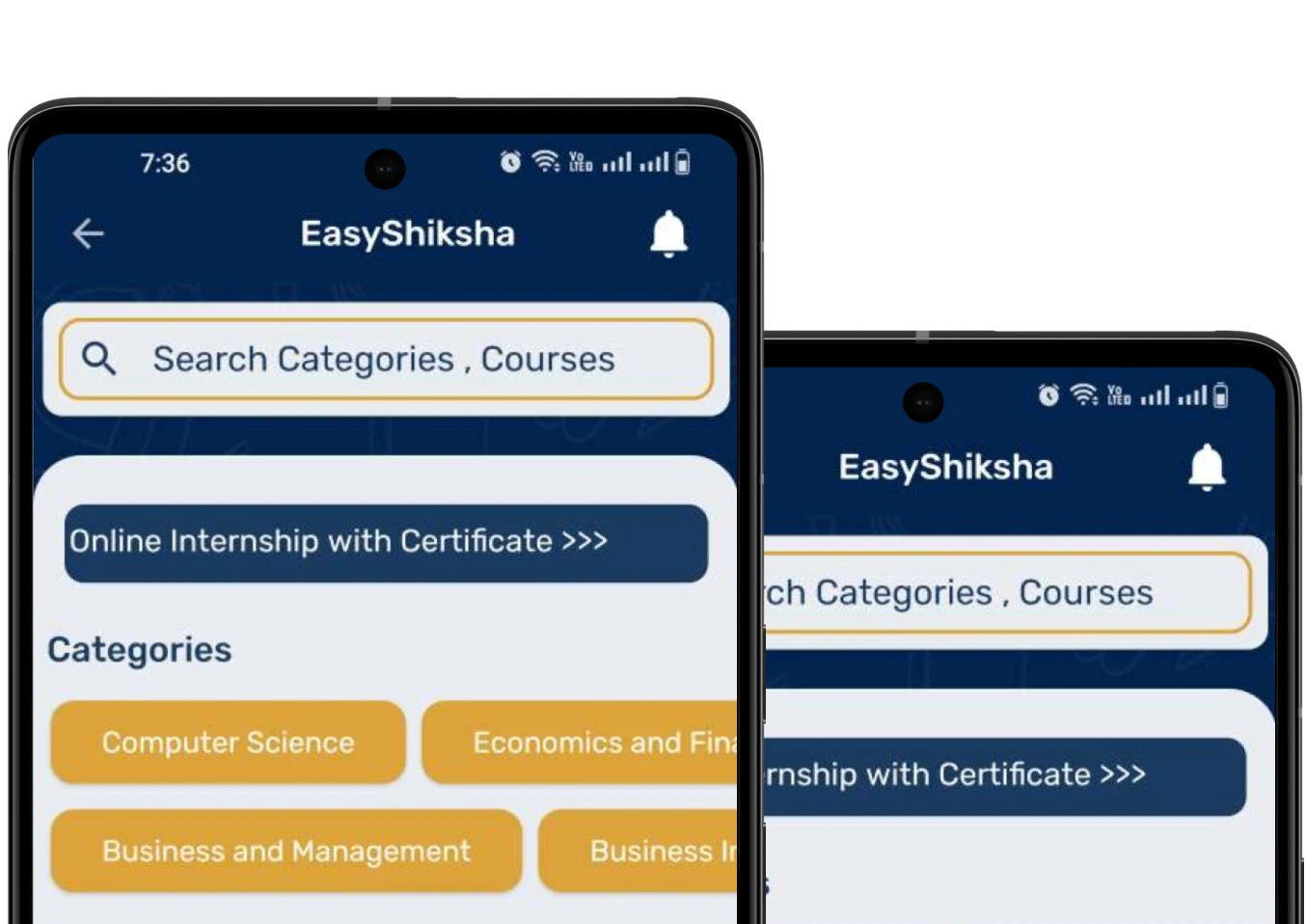
EasyShiksha has the potential to become a leader in hybrid education by integrating its online learning platform with offline initiatives. By offering a combination of digital courses, live sessions, and practical workshops, it can create a comprehensive learning experience that meets the needs of modern students.
The platform can also incorporate features such as personalized learning paths, real-time feedback, and collaborative projects to enhance engagement and effectiveness. By leveraging its existing infrastructure and expanding its offerings, EasyShiksha can provide a seamless and impactful hybrid learning experience.
The Future of Hybrid Learning
The future of education is likely to be shaped by hybrid learning models, as they offer a balanced and adaptable approach to teaching and learning. As technology continues to evolve, hybrid learning will become more sophisticated, incorporating advanced tools such as virtual reality, augmented reality, and artificial intelligence.
These innovations will further enhance the learning experience, making it more immersive and interactive. At the same time, the importance of human interaction and collaboration will remain central to education. Hybrid learning, by combining these elements, is well-positioned to meet the demands of the future.
EasyShiksha can play a pivotal role in this transformation by embracing new technologies and continuously improving its offerings. By staying ahead of trends and focusing on student needs, it can contribute to the evolution of education.
Conclusion
Hybrid learning represents a significant advancement in the field of education, offering a flexible, engaging, and effective approach to learning. By blending online and offline components, it addresses the limitations of traditional and digital education, creating a more holistic learning experience.
For students, hybrid learning provides the opportunity to develop essential skills, access diverse resources, and achieve better outcomes. For platforms like EasyShiksha, it offers a pathway to innovation and growth, enabling the delivery of high-quality education in a rapidly changing world.
As the education sector continues to evolve, hybrid learning will play an increasingly important role in shaping the future. By adopting this model and leveraging its benefits, EasyShiksha can empower students to succeed and thrive in an increasingly digital and interconnected environment.
Get Some Courses: Microsoft SQL Server Bootcamp , Business and Management