






















Traditional business education generally introduces students to management concepts, marketing principles, financial planning, human resource management, operations, and entrepreneurship through separate subjects. Students learn how organisations function, examine business case studies, complete assignments, and sometimes participate in internships. Although these methods provide valuable theoretical knowledge, they do not always prepare learners for the complexity of operating an actual business. Understanding how a marketing campaign works is different from deciding how much money to allocate to one. Learning financial management is different from handling a situation in which expenses exceed revenue, customers delay payments, and the business must still pay its employees.
What if students could enter a course where they were not simply studying a business but actively operating one from the first day of enrolment? Instead of waiting until the final semester to experience practical business management, learners could receive responsibility for a simulated company and gradually take control of its essential operations. They could make decisions about products, customers, pricing, recruitment, budgets, technology, suppliers, and business expansion while observing the consequences of their choices in an interconnected environment.
This approach could transform business education into an operational learning experience. Students would not be restricted to memorising management theories or preparing presentations about hypothetical companies. They would experience how different departments depend on one another, how decisions influence financial performance, and how unexpected events require immediate responses. The course would operate like a structured business environment in which learning and decision-making happen simultaneously.
For an education platform such as EasyShiksha, this concept creates an opportunity to connect online courses, practical worksheets, quizzes, educational games, internships, and career development into a single business-learning ecosystem. A student could begin with a virtual company, acquire knowledge through structured learning modules, practise decisions through interactive activities, and eventually demonstrate their capabilities through projects and internship assignments.
Also Read: Could Students Build Their Own Academic Ecosystems Instead of Following Fixed Institutions?
The Concept of an Entire Business as a Learning Environment
The central idea behind this course would be to give every student responsibility for operating a complete business environment rather than assigning them isolated management exercises. At enrolment, learners could receive access to a digital company with an initial business model, a defined market, a limited budget, a product or service, and a set of operational responsibilities. The company could initially be small, but its internal structure would resemble that of a real organisation.
Students would need to understand the company’s purpose, identify its customers, evaluate competitors, establish pricing, manage resources, and determine how it would generate revenue. As the course progresses, they would become responsible for interconnected business functions, including marketing, sales, finance, customer service, inventory, human resources, and operational planning. Each function would have its own requirements, but no department would operate independently.
For example, a student managing an online stationery business might decide to introduce a new product range. This decision would involve more than selecting products. The learner would need to estimate customer demand, calculate procurement costs, evaluate storage requirements, determine selling prices, prepare marketing campaigns, and assess whether the business could finance the expansion. If demand is lower than expected, the company might experience excess inventory and reduced cash availability. If demand is higher than expected, the student might face supply shortages and delayed deliveries.
The educational value would come from allowing learners to experience these connections instead of studying them as separate theoretical concepts. A decision made in one department could influence several other areas of the company. Students would gradually understand that business management involves balancing competing priorities rather than maximising one performance indicator.
Day One: Students Become Business Operators
The first day of the course would introduce students to their virtual organisation and its operational environment. Instead of beginning with lengthy introductory lectures, learners could receive a business brief explaining the company’s industry, objectives, financial position, available resources, target customers, and initial challenges. Their first responsibility would be to understand the organisation before making major decisions.
The opening exercise could involve examining the company’s existing situation. Students might receive a basic financial statement, a customer profile, a list of available products, supplier information, and an overview of competitors. They would need to identify the most important operational priorities and decide what the business should accomplish during its initial operating period.
A student managing a small digital marketing agency, for instance, might begin with three employees, five potential clients, a limited marketing budget, and a monthly revenue target. The learner would need to decide which services to offer, how to price them, how to distribute employee responsibilities, and how to approach prospective customers. These decisions would immediately introduce concepts from entrepreneurship, marketing, finance, sales, and human resource management.
The course would not expect beginners to make perfect decisions on their first day. Instead, it would provide structured guidance, relevant learning resources, and opportunities to revise decisions when new information becomes available. This would help students understand that business competence develops through observation, experimentation, evaluation, and improvement.
Building a Business From the Ground Up
A major part of the course would involve establishing the organisation’s operating model. Students would first need to understand what the company sells, which customer problem it solves, and why customers might choose its products or services over competing alternatives. This would introduce business model development as a practical activity rather than a theoretical diagram.
Learners could examine different revenue models, including direct sales, subscriptions, service contracts, licensing, commissions, and platform-based transactions. They would compare the advantages and limitations of each model before selecting an approach suitable for their virtual company. A subscription business, for example, might generate predictable recurring revenue but require continuous customer engagement and retention. A transaction-based business might generate revenue whenever a purchase occurs but experience greater uncertainty in monthly income.
The next stage would involve defining the company’s value proposition and operating priorities. Students would need to determine which customer requirements the business would prioritise, what resources would be necessary, and how the organisation could deliver its promises consistently. They could also examine how market conditions, competition, regulations, and technology influence business decisions.
Through this process, learners would develop an understanding of the relationship between business strategy and everyday operations. A business model would no longer be an abstract classroom concept; it would become the foundation for decisions that students must make throughout the course.
Financial Management: Understanding Where Every Rupee Goes
Financial management would become one of the most important components of the programme because even a promising business can fail when its financial resources are poorly managed. Students would receive responsibility for maintaining a business budget, monitoring income and expenses, calculating profitability, and understanding the movement of cash.
Instead of completing calculations using unrelated numerical examples, learners could work with the financial records of their own virtual company. They might need to calculate the cost of producing a product, determine the selling price, estimate gross profit, evaluate operating expenses, and identify the sales volume required to reach the break-even point. Every financial calculation would connect to a business decision.
The course could introduce situations in which students must manage limited financial resources. A company might experience increasing sales but still face a cash shortage because customers have not paid their invoices. Another business might report a profit but struggle to meet its immediate expenses because too much money is invested in inventory or equipment. Students would need to distinguish profitability from cash availability and understand why both are essential to business survival.
Learners could also experiment with investment decisions. They might consider purchasing new equipment, hiring additional employees, increasing advertising expenditure, or entering a new market. Each option would require an evaluation of expected costs, potential returns, uncertainty, and available capital. By observing the financial consequences of these choices, students could develop stronger financial judgement and learn to make decisions based on evidence rather than assumptions.
Marketing and Sales: Finding Customers and Creating Demand
A business cannot operate successfully without customers. Consequently, marketing and sales would be treated as continuous operational responsibilities rather than isolated subjects. Students would need to identify their target audience, understand customer behaviour, analyse competitors, and develop strategies for attracting and retaining buyers.
The virtual company could provide customer research data, market trends, competitor information, and previous campaign results. Students would use this information to determine which customer segments offer the strongest opportunities. They could then design marketing campaigns across digital channels, establish promotional budgets, select suitable communication methods, and evaluate campaign performance.
For example, a learner operating a virtual clothing brand might discover that younger customers respond more strongly to short-form video content, while another customer segment prefers detailed product information and promotional email campaigns. The learner would need to decide how to distribute the marketing budget between these channels and evaluate whether the resulting sales justify the expenditure.
Sales management would introduce another layer of responsibility. Students could practise developing sales proposals, responding to customer objections, negotiating prices, managing leads, and maintaining customer relationships. They would learn that attracting attention does not automatically generate revenue. A successful business must also convert interest into purchases and deliver an experience that encourages customers to return.
The programme could connect marketing activities to financial performance. If a campaign generates thousands of visitors but very few purchases, students would investigate whether the problem involves pricing, product quality, audience targeting, website usability, or customer trust. This would encourage analytical thinking and help learners understand how marketing decisions influence the entire organisation.
Operations and Supply Chain Management
Operating a business requires a reliable system for producing products, delivering services, managing inventory, and maintaining quality. Students would therefore need to manage the operational processes that allow the organisation to fulfil customer expectations.
In a product-based business simulation, learners could monitor inventory levels, coordinate suppliers, estimate procurement requirements, and plan delivery schedules. They might encounter situations involving delayed shipments, unexpected demand, damaged goods, or rising raw-material costs. Each disruption would require a response that balances customer satisfaction, operational efficiency, and financial limitations.
Service-based businesses could introduce different operational challenges. A digital agency might need to distribute projects across employees, monitor deadlines, manage client approvals, and maintain service quality. Students would need to decide how much work the organisation can accept without compromising delivery standards.
The course could also introduce process optimisation. Learners might discover that a business is spending too much time processing orders manually or that repeated communication errors are delaying customer service. They could investigate the causes, redesign workflows, and evaluate whether automation or improved documentation would reduce operational problems.
These activities would demonstrate that business success depends not only on selling products but also on delivering them reliably. Students would develop an understanding of how operational systems influence customer satisfaction, cost control, productivity, and long-term competitiveness.
Human Resource Management: Managing People, Not Just Tasks
A complete business-learning environment would also require students to understand how people contribute to organisational performance. Human resource management would therefore become an active responsibility within the course.
As the virtual company grows, learners might need to recruit employees, assign roles, establish responsibilities, organise workloads, and evaluate performance. They could receive candidate profiles and job requirements before deciding which individuals would be suitable for specific positions. The process would introduce recruitment planning, competency evaluation, workforce allocation, and employee development.
Students could also experience workplace situations involving communication problems, missed deadlines, conflicting priorities, and differences of opinion. They would need to determine how to resolve disagreements while maintaining professional standards. These situations could demonstrate why effective leadership requires communication, accountability, empathy, and clear decision-making.
A particularly useful feature would be the ability to observe how recruitment decisions affect business performance. Hiring additional employees might increase operational capacity, but it would also raise salary expenses and administrative responsibilities. Assigning too many tasks to a small team could reduce costs temporarily but increase the risk of employee overload and delayed work.
Through these experiences, students would understand that human resource management is not simply about appointing people. It involves building a capable team, creating appropriate working conditions, developing professional skills, and aligning employee contributions with organisational objectives.
Customer Service and Reputation Management
Customer relationships would be another continuous responsibility. Students would receive customer enquiries, complaints, feedback, refund requests, and service-related problems through their virtual business environment. They would need to respond professionally and decide how to resolve issues without creating unnecessary financial or operational difficulties.
For example, a customer might report receiving a damaged product, while another might complain about a delayed delivery. The student would need to investigate the situation, review the company’s policies, communicate with the customer, and determine an appropriate resolution. A quick refund might protect customer satisfaction but increase costs. Replacing the product might preserve the relationship but require additional inventory and delivery expenses.
The programme could also introduce reputation management through simulated online reviews and public feedback. Learners would discover how one unresolved complaint can influence customer confidence and how consistent service quality contributes to brand credibility.
This component would be particularly useful for students interested in entrepreneurship, retail, hospitality, digital services, and customer-facing professions. It would help them develop communication skills while understanding the commercial importance of customer trust.
Business Intelligence and Data-Driven Decision-Making
Modern organisations increasingly rely on data to understand customers, monitor performance, identify risks, and improve operations. Students operating a virtual company would therefore need to interpret business information rather than make decisions based only on intuition.
The learning environment could provide dashboards containing sales figures, customer acquisition costs, conversion rates, inventory turnover, employee productivity, cash flow, and customer retention data. Learners would examine these indicators to understand what is happening inside their organisation and identify areas requiring attention.
For instance, a company might experience increasing website traffic but declining sales conversions. Students would need to investigate whether the issue is related to product pricing, customer expectations, payment difficulties, or website performance. Another business might report increasing revenue while its profit margin continues to decline. Learners would analyse operating costs and determine whether the company is growing efficiently.
The programme could introduce basic business analytics tools, spreadsheet modelling, visual reporting, and introductory business intelligence platforms. Advanced learners might also explore predictive analytics and artificial intelligence to estimate demand, identify unusual financial patterns, or compare alternative business strategies.
However, students would need to understand that data does not automatically provide correct answers. They would learn to examine data quality, recognise misleading patterns, question assumptions, and consider the context behind numerical results. This would develop analytical judgement alongside technical skills.
Artificial Intelligence as a Business Operations Assistant
Artificial intelligence could make the virtual business environment more dynamic and accessible. Instead of providing only fixed scenarios, an AI-supported learning system could generate new operational situations according to the decisions students make.
An AI business assistant could help learners interpret financial reports, draft customer communications, compare marketing strategies, prepare project schedules, and identify possible operational risks. It could also explain unfamiliar concepts when students encounter challenges during their business operations.
For example, if a learner decides to expand a virtual company into a new market, the AI assistant could generate a market-entry analysis exercise. The student might need to evaluate customer demand, local competition, distribution expenses, and regulatory requirements before making a decision. The system could then present the consequences of the selected strategy and explain which assumptions were reasonable or poorly supported.
AI could also introduce unexpected situations. A supplier might suddenly increase prices, a competitor might launch a similar product, or customer demand might change because of a market trend. The learning environment could adjust its scenarios based on the company’s financial position and previous decisions.
The purpose would not be to allow AI to operate the business on behalf of the student. Instead, AI would function as a learning assistant that helps learners investigate problems, access relevant information, and evaluate alternatives. Students would remain responsible for their decisions and would need to explain the reasoning behind them.
The Business Crisis Simulator: Learning Through Difficult Decisions
One of the most valuable features of an entire-business course could be a crisis simulation system. Real businesses rarely operate under perfectly predictable conditions. They face financial uncertainty, supply disruptions, technological failures, customer complaints, employee turnover, and competitive pressure. Students should therefore experience situations in which their original business plans no longer work.
The course could introduce a virtual crisis after students have established their organisation. A company might suddenly lose its largest customer, experience a significant increase in operating expenses, or face a shortage of essential materials. Learners would need to identify the immediate problem, estimate its potential impact, and decide which actions should be prioritised.
A more advanced scenario could involve several connected difficulties. A delayed supplier shipment might prevent the company from completing customer orders. This could generate complaints, refund requests, additional delivery costs, and negative reviews. Students would need to coordinate purchasing, operations, finance, and customer service instead of treating each problem independently.
The simulator could evaluate how learners respond under pressure, whether they identify the underlying causes of a problem, and how effectively they communicate their decisions. It could also allow students to compare alternative responses and understand why some strategies produce better outcomes than others.
Importantly, unsuccessful decisions would become part of the learning process. A student who overspends on advertising might discover that the business no longer has enough money to purchase inventory. Rather than simply receiving a low score, the learner could examine the financial consequences, identify the original mistake, and revise the operating strategy.
Connecting Courses, Worksheets, Quizzes, and Educational Games
For EasyShiksha, the most interesting possibility would be to connect the virtual business environment with multiple learning formats. A student would not need to complete a conventional course first and experience business operations much later. Instead, the platform could introduce relevant educational content at the moment a particular business responsibility requires it.
When a learner encounters a financial planning challenge, the system could recommend an online course covering budgeting, accounting, cash flow, and financial analysis. After studying the relevant concepts, the student could complete an interactive worksheet using the virtual company’s financial information. A short quiz could assess whether the learner understands the calculations and financial principles before the next decision is made.
Educational games could introduce additional practice. A business strategy game might require students to allocate a limited budget across marketing, recruitment, inventory, and technology. Another game could simulate negotiations with suppliers or customers, encouraging learners to consider both financial and relationship-related outcomes.
This connected structure would create a learning pathway in which theoretical knowledge is immediately applied to an operational problem. The student would understand why a particular concept matters because its practical importance becomes visible inside the virtual company.
EasyShiksha could also organise these activities according to learner progression. Beginners might receive guided business responsibilities with limited variables, while advanced learners could manage larger organisations involving multiple departments, changing market conditions, and complex financial decisions. This would make the course suitable for students with different levels of prior business knowledge.
How Internships Could Extend the Virtual Business Experience
A virtual business can introduce students to organisational responsibilities, but practical industry exposure remains important. The course could therefore create a transition between simulated operations and supervised internship assignments.
After completing specific learning stages, students could work on practical projects based on real business requirements. A learner who has managed marketing activities in the simulation might prepare a digital marketing plan for a small organisation. Someone who has practised financial management could develop a budget forecast using an approved sample dataset. A student who has worked on customer service scenarios might prepare a customer-support improvement proposal.
Internships could be organised around individual business functions or cross-functional responsibilities. Students might assist with market research, website management, content planning, sales documentation, business reporting, or operational analysis under appropriate supervision.
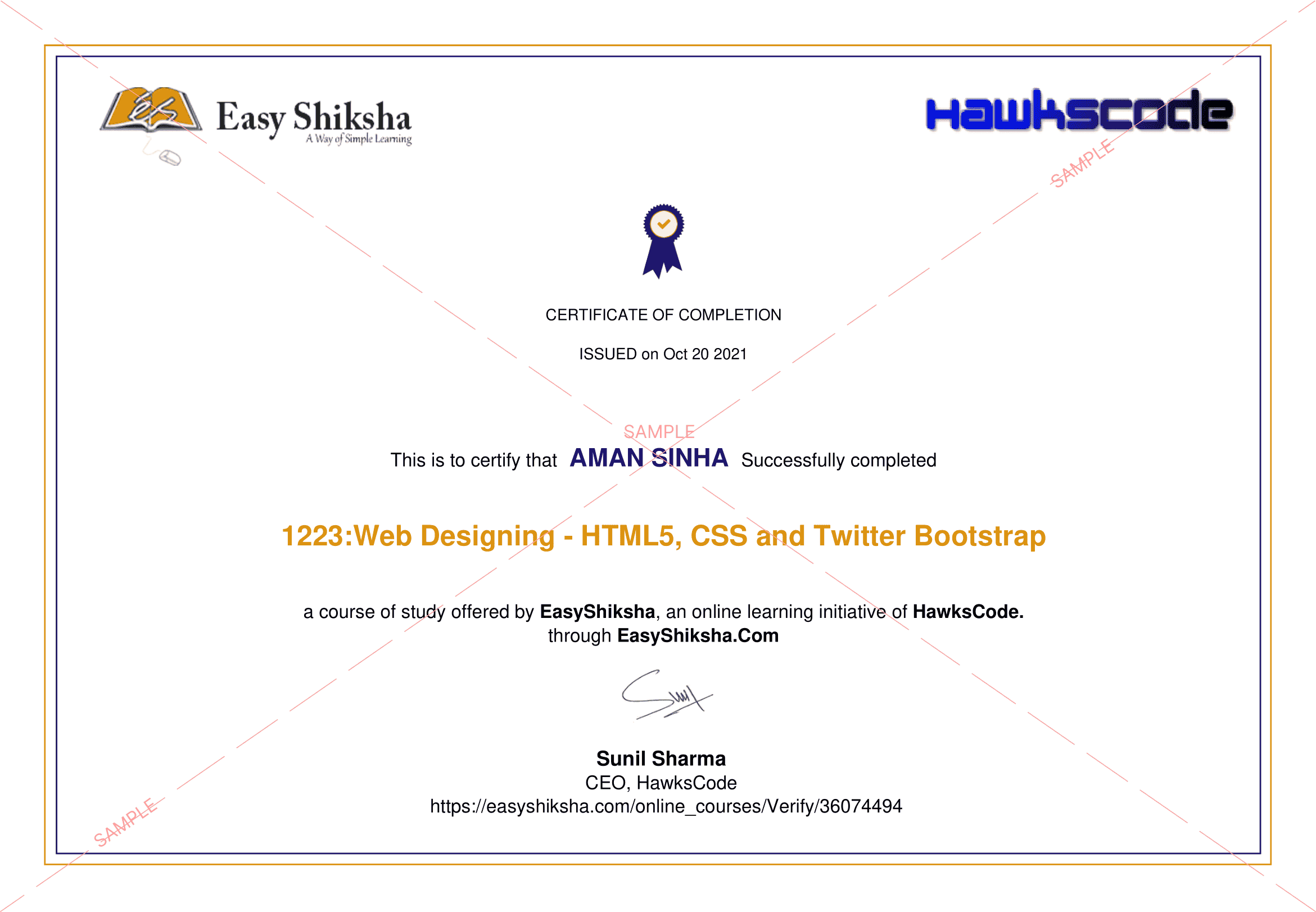
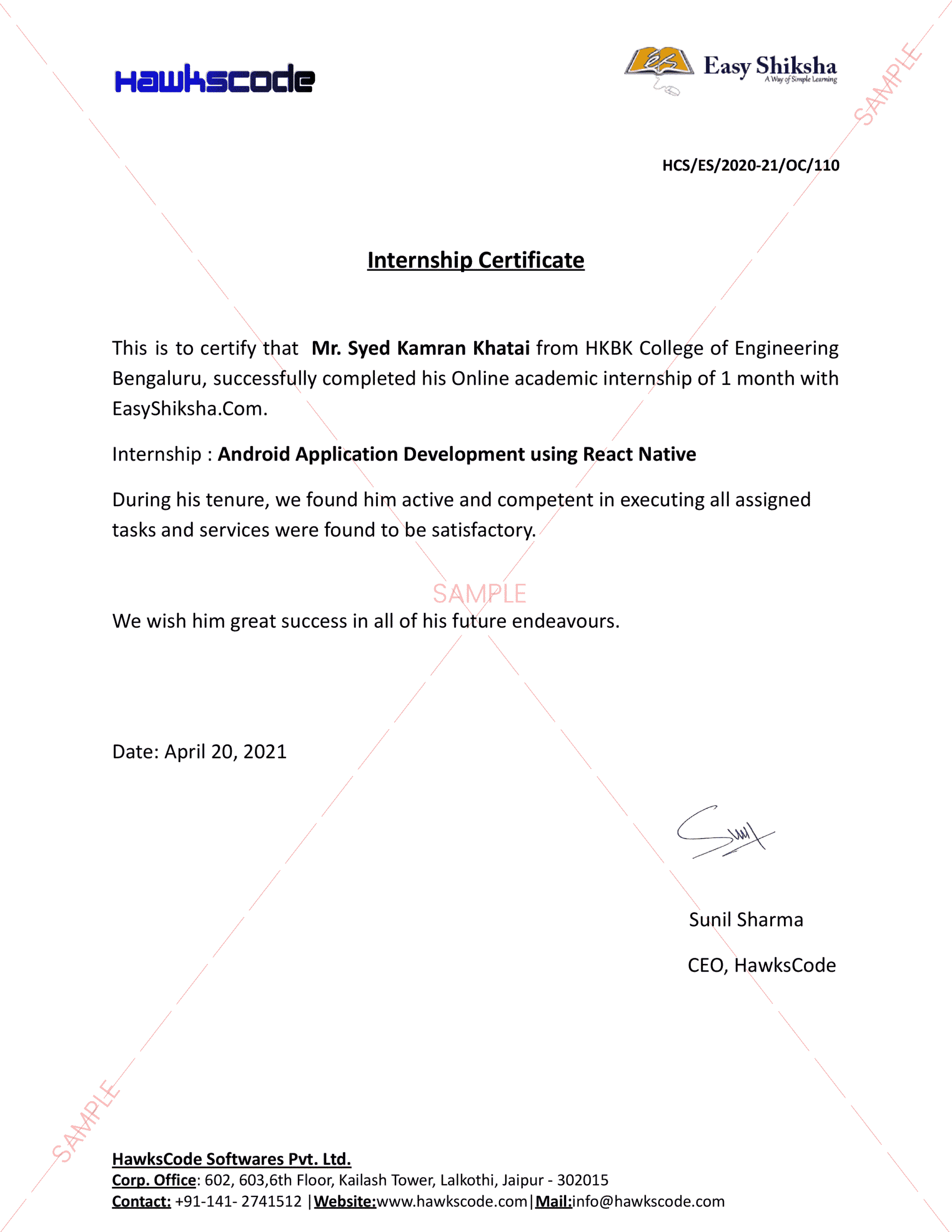
This progression would help learners demonstrate that their understanding extends beyond a virtual environment. They could develop practical evidence of their capabilities through assignments, project documentation, performance reviews, and internship certificates where the relevant programme provides them.
EasyShiksha could connect these experiences with its online courses and internship opportunities, allowing students to move from structured learning towards practical workplace participation. The objective would be to create a more meaningful relationship between course completion and career readiness.
A New Assessment Model: Evaluating How Students Run a Business
Traditional assessments often focus on written examinations, assignments, and subject-specific knowledge. These methods can measure important aspects of learning, but they may not reveal whether a student can apply knowledge across an entire organisation.
An operational business course could introduce performance-based assessment. Students would be evaluated according to how effectively they manage their virtual company, explain their decisions, respond to unexpected problems, and improve organisational performance.
The assessment system could examine multiple dimensions, including financial understanding, customer management, operational planning, marketing effectiveness, employee coordination, and problem-solving. It would also consider whether students can recognise mistakes and adjust their strategies when circumstances change.
For example, two students might operate identical virtual companies but follow different strategies. One could prioritise rapid growth by spending heavily on marketing, while the other could focus on improving customer retention and controlling expenses. Their results might differ depending on the simulated market conditions. The assessment should therefore consider not only final revenue or profit but also the reasoning, risk management, and resource allocation behind their decisions.
Students could maintain a digital business portfolio containing their business model, financial reports, marketing plans, operational decisions, project records, and reflections on major challenges. This portfolio could help them communicate their capabilities to internship providers, employers, and academic institutions.
Different Business Environments for Different Career Interests
The programme could support multiple industries rather than restricting every learner to the same type of organisation. Students could select a business environment connected to their interests and career objectives.
A technology-focused learner might operate a virtual software development company. This environment could introduce product planning, development budgets, project management, customer acquisition, software maintenance, and service delivery. Students would need to understand how technical decisions influence commercial outcomes.
A learner interested in fashion or retail could manage a virtual clothing brand involving product selection, inventory, pricing, digital marketing, customer service, and supplier relationships. Students interested in hospitality could operate a simulated hotel or travel service, where room availability, customer satisfaction, staffing, seasonal demand, and service quality influence performance.
Finance-oriented learners could manage a virtual financial services organisation, while students interested in education could operate an online learning company involving course development, student enrolments, instructor coordination, marketing, and certificate management. These environments would introduce sector-specific responsibilities while maintaining common business principles.
This flexibility would allow EasyShiksha to connect business education with its wider course categories and career pathways. Students could explore different industries before deciding which specialisation they want to pursue.
Building Entrepreneurial Thinking Without Requiring Students to Start a Real Company
Entrepreneurship is often associated with starting a company, raising investment, and managing financial risk. However, not every student has the resources or experience to establish a real business while studying. An entire-business course could provide a practical introduction to entrepreneurship without requiring learners to invest personal money or establish a registered organisation.
Students could experiment with business ideas, evaluate customer demand, test pricing strategies, and examine the financial consequences of different decisions in a controlled environment. They could learn how to identify market opportunities, prepare business plans, develop minimum viable products, and evaluate whether an idea is commercially sustainable.
The environment could also encourage students to investigate business failure. They might receive examples of organisations experiencing poor product-market fit, excessive expenses, weak customer retention, or ineffective management. By examining the causes of these problems, learners could develop a more realistic understanding of entrepreneurship.
For students who eventually want to establish their own ventures, the course could provide a foundation in business planning and operational decision-making. It would not guarantee entrepreneurial success, but it could help learners recognise common risks and approach business opportunities with greater preparation.
The Role of Business Simulations in Developing Workplace Skills
Operating a virtual company would also help students develop professional capabilities that are difficult to measure through conventional examinations. Communication, negotiation, time management, leadership, collaboration, and decision-making would become necessary parts of their everyday learning activities.
Students might need to negotiate with virtual suppliers, explain financial decisions to a simulated management team, respond to customer concerns, and coordinate tasks across departments. Group-based versions of the course could assign different business roles to different learners, requiring them to collaborate towards shared organisational objectives.
A group could include a finance manager, marketing manager, operations manager, human resource manager, and business director. Each learner would be responsible for a specific function, but important decisions would require coordination. For example, expanding the business might require marketing approval, financial planning, operational capacity, and employee availability.
This structure could help students understand the importance of accountability and interdepartmental communication. It would also demonstrate that workplace performance is influenced by the ability to coordinate with others, not only by individual technical knowledge.
Challenges in Implementing an Entire-Business Learning Course
Although this model offers significant educational opportunities, its implementation would require careful planning. A complete business environment can become complicated, especially for beginners who have limited knowledge of finance, marketing, operations, or management. If students receive too many responsibilities without appropriate guidance, the experience could become confusing rather than educational.
The platform would need to introduce complexity gradually. Initial scenarios should focus on a limited number of decisions, while advanced stages could introduce additional departments, financial constraints, customer segments, and operational risks. Learning resources should remain available whenever students encounter unfamiliar responsibilities.
Another challenge would involve maintaining realistic business simulations. A virtual organisation should produce consequences that are consistent with its operating conditions. If a student makes a major financial decision, the system should reflect its impact on cash availability, expenses, revenue, and operational capacity. Unrealistic outcomes could reduce student confidence in the learning environment.
Assessment fairness would also require attention. Students should not be judged only on whether their virtual company becomes profitable because business outcomes can depend on simulated market conditions and risk factors. Evaluation should examine decision quality, reasoning, adaptability, ethical conduct, and the ability to learn from mistakes.
Data privacy and responsible AI use would be equally important. Student performance records, business simulations, and generated reports should be handled transparently. AI-generated recommendations should be presented as assistance rather than unquestionable business advice. Students should also learn about responsible handling of customer information, financial records, employment decisions, and business communications.
How EasyShiksha Could Develop This Learning Model
EasyShiksha could develop this concept as an integrated business operations learning programme rather than a conventional management course. The programme could begin with a structured online curriculum covering entrepreneurship, business fundamentals, accounting, marketing, human resource management, operations, customer service, and business analytics.
Students would then receive access to a virtual company environment where they could apply these concepts through practical decisions. The platform could recommend relevant learning modules whenever a learner encounters a new business responsibility. Interactive worksheets could help students calculate costs, prepare forecasts, compare marketing strategies, and evaluate operational performance. Quizzes could measure subject understanding, while educational games could provide additional opportunities to practise strategic decisions.
The programme could include beginner, intermediate, and advanced business environments. Beginners could operate small organisations with limited responsibilities, while advanced learners could manage multiple departments, larger budgets, and unpredictable market conditions. Industry-specific versions could help students explore technology, retail, finance, education, hospitality, digital services, and other sectors.
Internships and project-based assignments could extend the experience beyond simulation. Students could use the knowledge developed through the virtual business to complete supervised projects, prepare professional reports, and demonstrate their understanding through practical work. Their progress could be documented through a portfolio that records learning achievements and completed responsibilities.
Such a model would connect several educational services through a shared learning objective. Instead of treating courses, quizzes, worksheets, games, internships, and career preparation as separate experiences, EasyShiksha could organise them around the progressive development of business-operating capabilities.
The Future of Business Education: From Studying Organisations to Operating Them
The future of business education could involve a stronger connection between academic knowledge and operational responsibility. Students would still need to understand management theories, financial principles, marketing frameworks, and organisational structures. However, these concepts could become more meaningful when learners are required to apply them to decisions that affect an operating business environment.
A course that allows students to operate an entire business from day one could introduce a different way of learning. It would encourage learners to understand how decisions interact, why financial discipline matters, how customer expectations influence operations, and why business growth requires coordination across departments. It would also provide opportunities to experience uncertainty, make mistakes, evaluate outcomes, and improve strategies.
For students, the greatest benefit would be the opportunity to develop practical business judgement before entering a professional workplace or attempting to establish a company. They could explore different industries, understand the responsibilities associated with management, and build evidence of their capabilities through projects and internships.
For EasyShiksha, the concept represents an opportunity to bring online education, practical business simulations, interactive assessments, and career-oriented learning together within one connected environment. The platform could help students progress from understanding business concepts to applying them in realistic situations and eventually demonstrating their skills through supervised professional assignments.
The central question is no longer whether students should study how businesses operate. It is whether education platforms can create learning environments in which students actually experience the responsibility of operating one. If learners could manage a virtual organisation from their first day of enrolment, business education might become more practical, engaging, and closely connected to the demands of the modern workplace.
Get Some Courses: Inclusive Marketing Mastery: Strategies for Diversity, Equity & Impact , Cell Phone Repair: Hardware, Trends, Sustainability, Security