





















Traditional apprenticeships follow a familiar structure. Experienced professionals guide students, share industry knowledge, demonstrate workplace practices, and help beginners develop practical skills. This model has supported professional education for generations because experienced workers possess knowledge that students generally acquire only after entering the workplace. However, the rapid development of emerging technologies is beginning to challenge the assumption that professional experience always places someone ahead of students in every area of knowledge.
Technologies such as generative artificial intelligence, blockchain applications, extended reality, low-code development, automation platforms, advanced data visualisation, and new digital collaboration tools are changing how organisations operate. Students who regularly experiment with these technologies through online courses, independent projects, educational games, and digital communities may become familiar with certain tools before experienced professionals have an opportunity to explore them. Meanwhile, professionals may possess years of practical experience, business understanding, technical judgement, and industry knowledge that students have not yet developed.
Online courses could provide the structure needed to make this model accessible, organised, and measurable. Students could complete advanced technology courses, develop practical projects, and demonstrate their understanding before becoming peer instructors or technology mentors. Industry professionals could join specialised learning sessions to understand new tools, explore emerging applications, and evaluate how these technologies might improve their work.
For EasyShiksha, this concept creates an interesting connection between online education, industry engagement, internships, educational games, quizzes, worksheets, certificates, and career development. It could transform courses from individual learning activities into collaborative environments where students and professionals learn from one another.
Understanding the Reverse Apprenticeship Model
A reverse apprenticeship is a structured learning arrangement in which a less traditionally experienced participant teaches or mentors a more experienced participant in a specific knowledge area. The term does not suggest that students possess greater overall expertise than professionals. Instead, it recognises that knowledge is distributed differently across generations, industries, and professional roles.
An experienced marketing manager, for example, may understand customer behaviour, campaign budgets, brand positioning, and business strategy. However, a student who has recently completed an advanced course in generative AI may be more familiar with new content-generation tools, AI-assisted research methods, or automated creative workflows. In a reverse apprenticeship, the student could demonstrate these tools while the professional evaluates their practical usefulness within real marketing operations.
Similarly, an experienced software developer may have extensive knowledge of application architecture, debugging, software maintenance, and production systems. The professional could then introduce important considerations involving code quality, security, maintainability, and real-world deployment. The exchange works because both participants possess different forms of expertise. A successful reverse apprenticeship should therefore not become a competition between students and professionals.
Why Emerging Technologies Are Creating a Need for Reverse Apprenticeships
The speed of technological change has created a continuous learning challenge for organisations. A technology that becomes popular within a short period may introduce new tools, workflows, and professional expectations before existing training programmes can be updated.
Professionals often have demanding responsibilities that make it difficult to explore every new technology independently. A software engineer may be occupied with maintaining production applications, while a finance professional may spend most of the working day handling reporting, compliance, and operational decisions. Even when they recognise the importance of new technologies, they may not have sufficient time to experiment with them in depth.
Students, on the other hand, may encounter emerging technologies through recently updated courses, practical assignments, online communities, and independent projects. Their learning environment can encourage experimentation because they are not always restricted by existing organisational systems or established workplace procedures.
This difference creates a potential knowledge gap. A student might understand how a new AI-powered presentation tool works, while an experienced corporate trainer may still depend on conventional presentation software. A student could demonstrate a new data visualisation platform, while a business analyst may have extensive experience with older reporting systems but limited exposure to the latest features.
Reverse apprenticeships could help organisations close this gap by connecting professionals with students who have recently explored emerging technologies. Rather than requiring every professional to independently identify and test new tools, organisations could create structured learning sessions led by students with relevant knowledge.
However, familiarity with a tool should not automatically be considered professional competence. Students must understand the limitations, risks, and practical implications of the technology they teach. Reverse apprenticeship programmes should therefore include preparation, verification, supervised demonstrations, and feedback from experienced participants.
How Online Courses Could Prepare Students to Become Technology Mentors
Online courses could provide the foundation for identifying and preparing students who are capable of teaching emerging technologies. A student should not become a reverse apprenticeship mentor simply because they have used an application or watched a few tutorials. They should demonstrate a meaningful understanding of the subject, practical experience, and the ability to explain concepts clearly.
An online course could introduce students to a particular technology through structured lessons, practical exercises, guided projects, and assessments. For example, a course on generative AI workflows could teach students how to use AI tools for research, content development, information organisation, and productivity. The course could also examine limitations such as inaccurate outputs, privacy risks, bias, and the need for human verification.
After completing the course, students could undertake a practical assignment demonstrating how the technology can solve a defined problem. They might create a research workflow, develop an automated reporting prototype, or compare the outputs of different AI tools under controlled conditions. This would provide evidence of their understanding beyond basic tool familiarity.
The next stage could involve teaching preparation. Students could learn how to organise demonstrations, explain technical concepts in accessible language, respond to questions, and adapt their explanations to participants with different levels of experience. These skills are important because professionals may understand the underlying business problem but have limited familiarity with the technology being demonstrated.
EasyShiksha could support this preparation through online courses, assessments, worksheets, educational games, and certificates. Students could follow a structured learning pathway that develops both technical knowledge and communication skills before participating in a reverse apprenticeship programme.
Which Emerging Technologies Could Be Taught Through Reverse Apprenticeships?
Generative artificial intelligence is one of the most promising areas for reverse apprenticeship programmes. Students could demonstrate AI-assisted research, content development, summarisation, coding support, presentation preparation, and workflow automation. Professionals could then explain which applications are suitable for their departments and where human review, privacy protection, and organisational policies are essential.
Low-code and no-code development platforms could provide another learning opportunity. Students who have experimented with visual application builders may help professionals understand how simple internal tools, data collection systems, and workflow prototypes can be created without extensive programming. Professionals could contribute knowledge about business requirements, user permissions, operational constraints, and long-term maintenance.
Data visualisation tools could also support this model. A student familiar with modern dashboard platforms could demonstrate how raw information can be transformed into interactive visual reports. An experienced finance manager, researcher, or operations professional could explain which indicators matter, how data should be interpreted, and which visualisations could lead to misleading conclusions.
Cybersecurity technologies may introduce valuable but sensitive learning opportunities. Students could demonstrate defensive security concepts, password management practices, security awareness tools, and safe laboratory simulations. Professionals could share knowledge about organisational security policies, risk management, compliance, and incident response. Such programmes should remain within authorised defensive environments and must not provide access to live systems without explicit permission.
How a Reverse Apprenticeship Session Could Work
A reverse apprenticeship session should follow a planned learning structure rather than becoming an informal technology demonstration. The process could begin with a specific professional learning requirement. An organisation might identify that its marketing team wants to understand AI-assisted campaign research, or that its operations team needs an introduction to automated workflow tools.
The programme coordinator could then identify students who have completed relevant courses and practical assignments. Their technical knowledge could be reviewed through course assessments, project evidence, or a short demonstration. Students would be matched with professionals according to the technology, learning objective, and level of complexity.
Before the session, students would prepare a practical learning plan. This could include an introduction to the technology, a demonstration of its features, a guided activity, and an explanation of its limitations. Professionals could share their existing workflows and the problems they want to solve so that the student-led session remains connected to real workplace requirements.
During the session, the student would introduce the technology and guide the professional through a practical task. For example, a student teaching AI-assisted data summarisation might demonstrate how to prepare a dataset, generate an initial summary, verify the information, and identify errors. The professional could then evaluate whether the process is suitable for an actual reporting requirement.
The session should end with a collaborative discussion. The professional could explain what would need to change before the tool could be used in the organisation, while the student could identify additional features or learning resources that might help. Both participants could document what they learned and identify a possible follow-up activity.
This structure ensures that the reverse apprenticeship produces a meaningful learning outcome rather than simply introducing another software application.
The Role of Two-Way Learning in Reverse Apprenticeships
The most important feature of reverse apprenticeship is that learning must move in both directions. If students only demonstrate technology and professionals only observe, the programme may provide useful training but will not fully benefit from the experience of experienced workers.
Students often learn emerging technologies through controlled examples, online tutorials, practice assignments, and simulated environments. These methods can develop technical familiarity, but they may not reveal the difficulties involved in using technology within an organisation.
Professionals can introduce real-world constraints that students might otherwise overlook. A marketing manager may explain why a seemingly efficient AI workflow cannot be adopted without approval from the legal and brand teams. A finance professional may demonstrate how a reporting process must maintain accuracy, auditability, and confidentiality. A software engineer may explain why code that works in a small demonstration can fail when integrated into a large application.
These conversations help students understand that technology adoption involves more than discovering new features. It requires evaluating reliability, cost, security, usability, scalability, and organisational impact.
Professionals also benefit from learning how students approach emerging technologies. Students may be more willing to experiment with alternative tools, question established workflows, and explore features that experienced workers have not yet considered. This can introduce fresh perspectives into organisational learning.
A successful programme would therefore recognise both contributions. Students should receive credit for teaching and demonstrating technology, while professionals should be recognised for sharing practical knowledge, evaluating applications, and helping students understand workplace expectations.
Reverse Apprenticeships as a New Type of Industry Internship
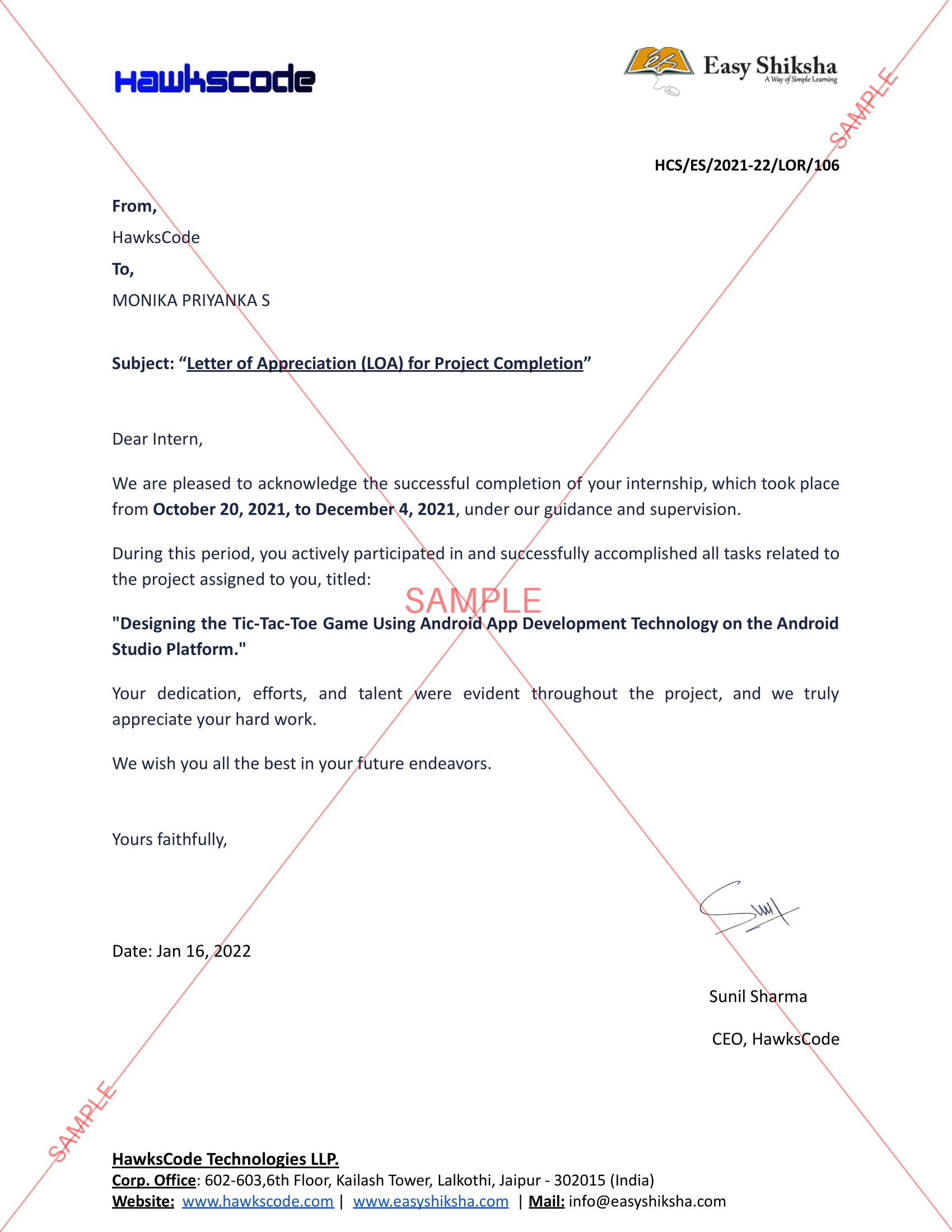
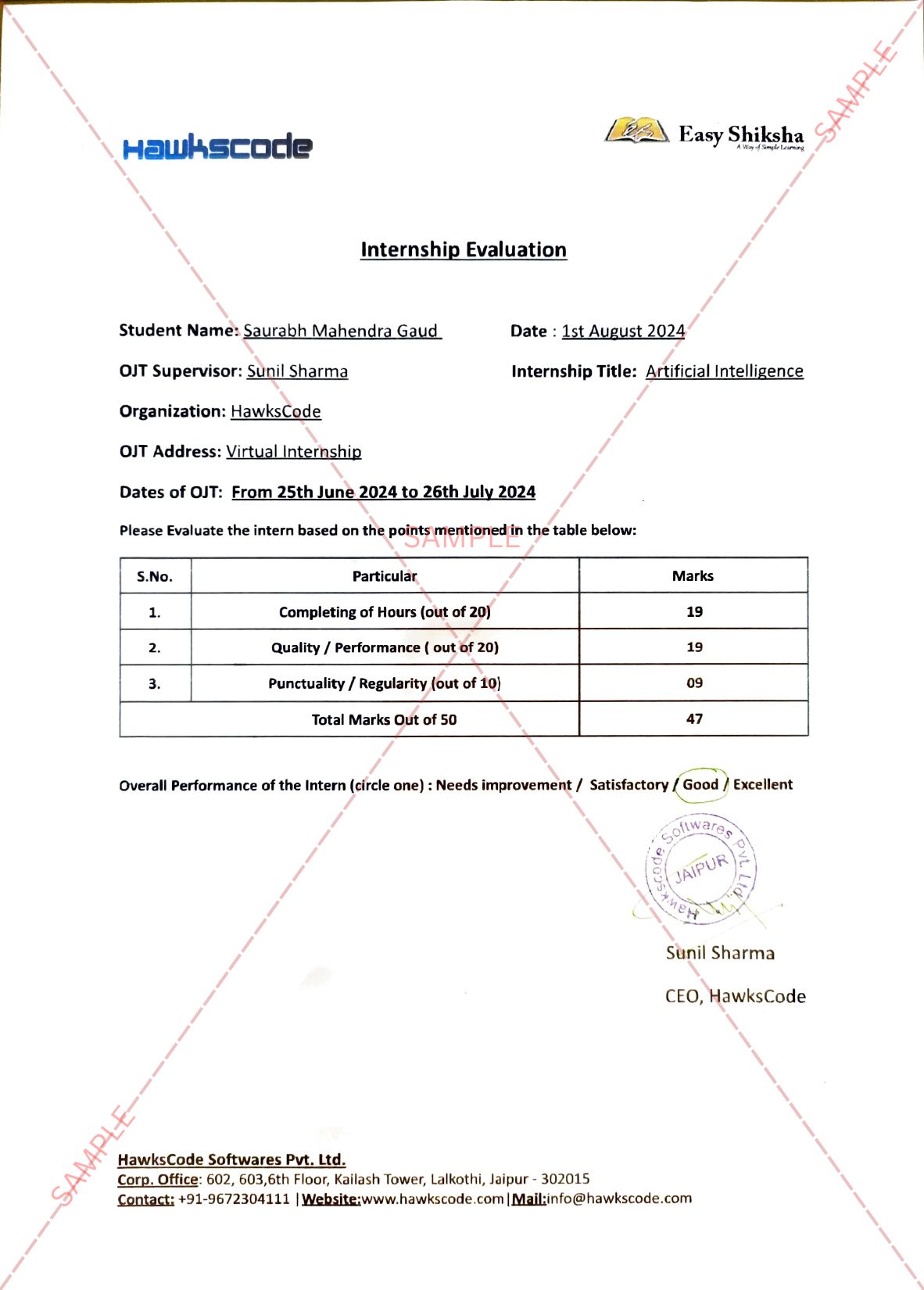
Traditional internships generally place students within an organisation so that they can learn from employees and participate in supervised professional tasks. Reverse apprenticeships could introduce an alternative arrangement in which students temporarily take responsibility for teaching a defined technology skill to working professionals.
This does not mean that students replace employees or perform professional responsibilities without supervision. Instead, they contribute to a controlled learning activity in which their knowledge is useful to the organisation.
For example, a student completing an AI course might participate in a short reverse apprenticeship with a digital marketing agency. The student could demonstrate AI-assisted research methods, explain how to organise prompts, and show how to review generated content. The agency’s professionals could then share practical examples involving campaign planning, audience research, brand guidelines, and client requirements.
The experience could be organised as a micro-internship, a short industry challenge, or a project-based learning assignment. Students might prepare a technology demonstration, conduct a workshop, develop a tutorial, or create a prototype addressing a specific workplace requirement.
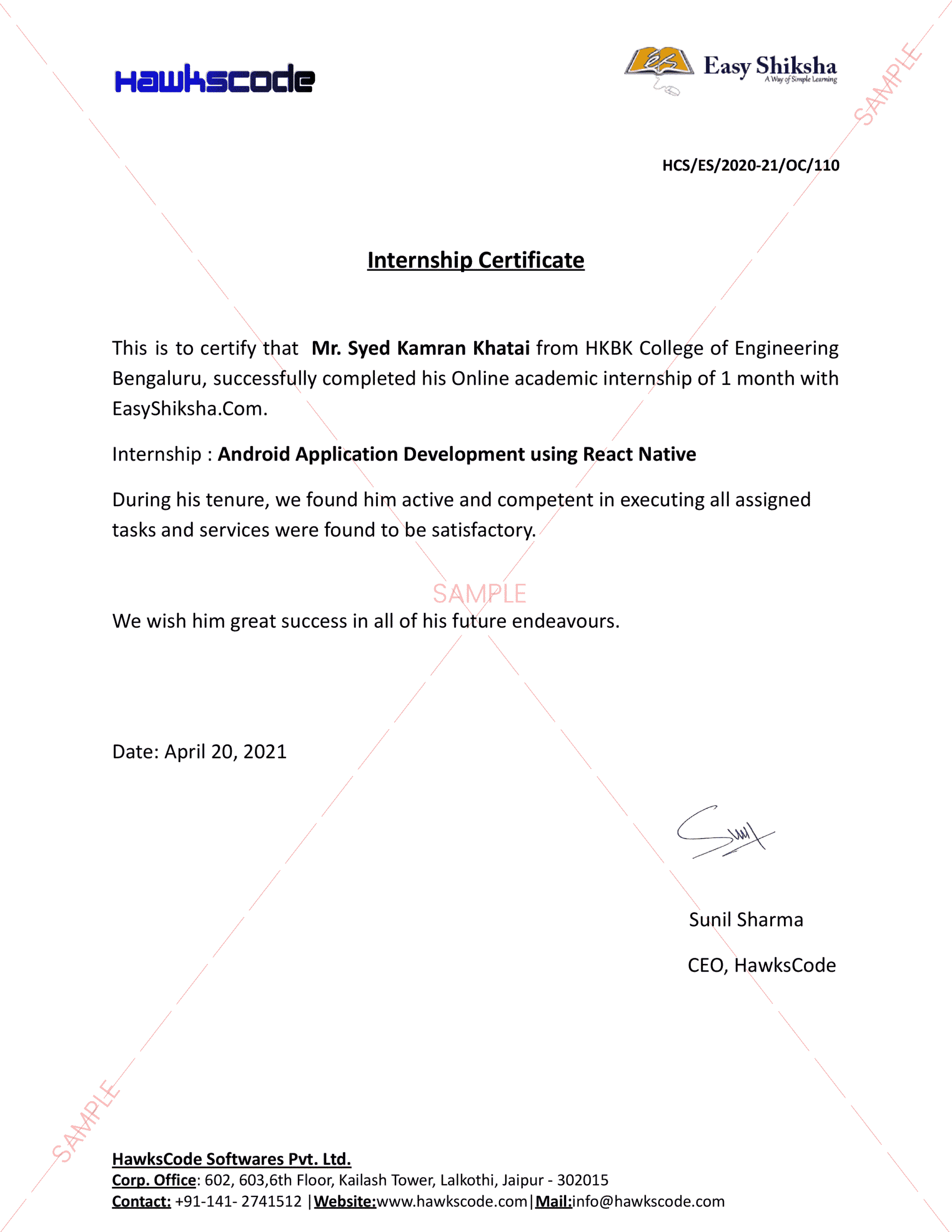
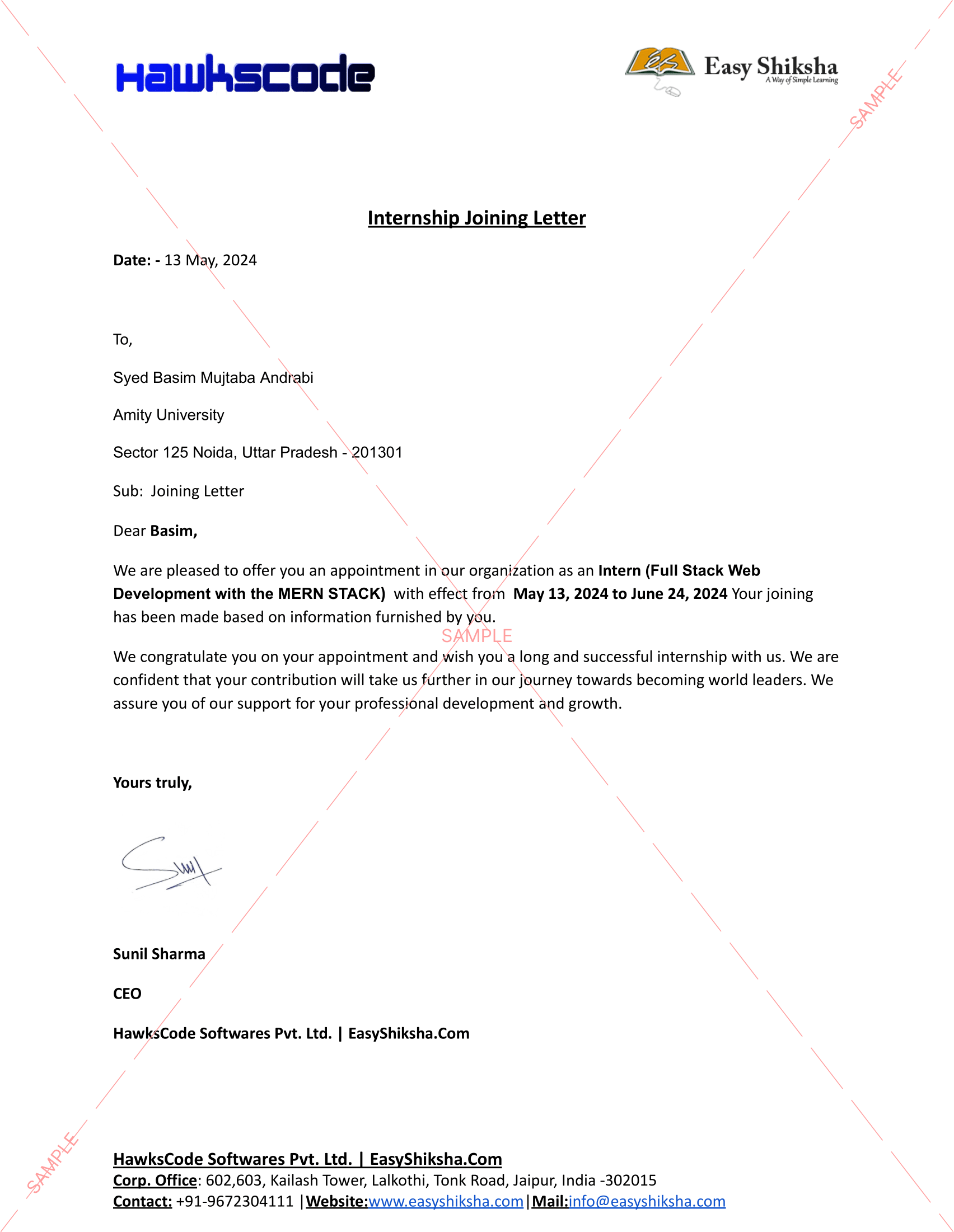
EasyShiksha could connect reverse apprenticeship experiences with its internship ecosystem. A student who completes a relevant course and assessment could explore opportunities to participate in a supervised industry learning project. This would create a progression from theoretical learning to practical demonstration and professional interaction.
The arrangement could also help students develop communication, leadership, presentation, collaboration, and problem-solving skills. These capabilities are valuable because technical knowledge alone is rarely sufficient for success in a professional environment.
How EasyShiksha Could Build a Reverse Apprenticeship Learning Pathway
EasyShiksha could potentially organise reverse apprenticeship opportunities around structured learning pathways. Each pathway could begin with an emerging technology and identify the knowledge, practical skills, and communication abilities students should develop before teaching professionals.
Consider an AI productivity pathway. Students could first complete an online course covering AI tools, prompt design, workflow development, output verification, and responsible usage. They could then complete quizzes to demonstrate their understanding and worksheets that require them to design practical workflows for defined business problems.
The next stage could involve an educational game in which students make decisions about selecting tools, checking generated information, protecting sensitive data, and handling unreliable outputs. This would help students practise judgement rather than simply memorising software features.
After completing the preparation stages, students could submit a practical project demonstrating how they would teach a professional to use a particular AI workflow. The project could be reviewed before the student becomes eligible to participate in a reverse apprenticeship session.
The professional learning activity could then be connected to a company, educational institution, or industry mentor. Students would demonstrate their knowledge, receive feedback, and learn about the professional environment in which the technology may be used.
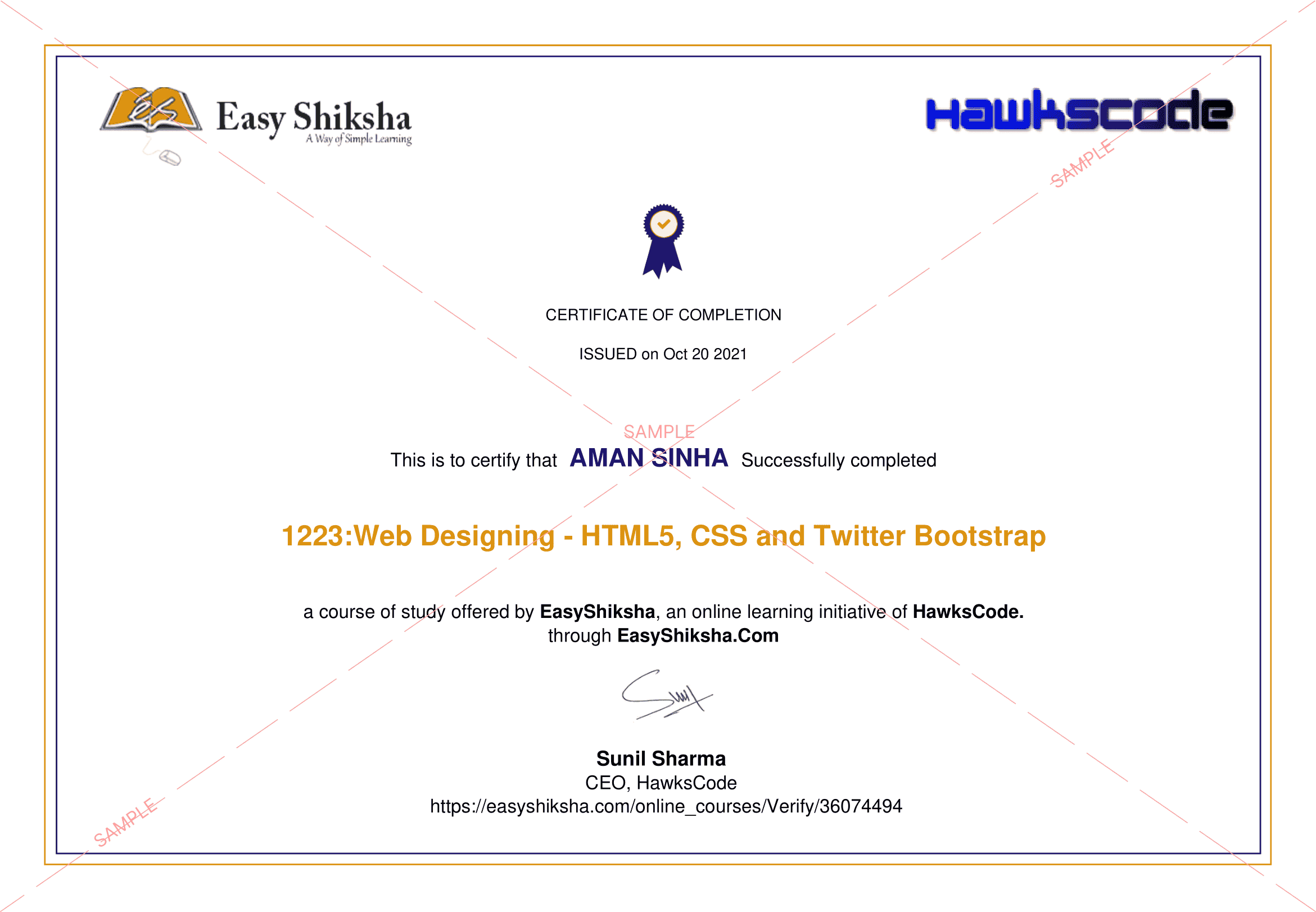
EasyShiksha could also provide certificates or participation records based on clearly defined learning outcomes. Such records should distinguish between completing a course, passing a technical assessment, teaching a professional, and participating in an industry project. These are different achievements and should not be presented as equivalent.
This approach could make EasyShiksha more than a platform where students complete independent courses. It could support a learning ecosystem in which students develop knowledge, demonstrate competence, share expertise, and gain exposure to real professional challenges.
Educational Games Could Help Students Practise Teaching Professionals
Teaching an experienced professional requires a different approach from explaining a topic to a beginner. Professionals may already understand the problem that a technology is designed to solve, but they may be unfamiliar with the technical process. They may also question whether the tool is reliable, whether it saves time, and whether it fits their existing workflow.
Educational games could help students practise these situations before conducting actual sessions. A simulation could place the student in the role of a technology mentor and introduce a professional participant with specific requirements, expectations, and concerns.
For example, a student could be asked to introduce an AI research tool to a fictional senior researcher. The professional might question the accuracy of generated summaries, raise concerns about confidential documents, or explain that the current research process already works effectively. The student would need to respond with evidence, demonstrate appropriate safeguards, and explain where the technology could provide value.
Another simulation could involve teaching a new automation platform to an operations manager. The manager might ask whether the proposed workflow can handle exceptions, whether it requires paid software, and what happens when an automated process fails. The student would need to demonstrate the workflow and explain its limitations.
These scenarios could teach students that professional technology adoption requires communication, evidence, and realistic expectations. They would also help students develop confidence in explaining unfamiliar technologies to people with substantial professional experience.
EasyShiksha’s educational games could support such simulations as part of a wider reverse apprenticeship preparation programme.
Worksheets and Quizzes Could Measure Technology Teaching Readiness
A student may understand a technology but still struggle to teach it effectively. Reverse apprenticeship programmes therefore need to assess both technical knowledge and teaching readiness.
Quizzes could evaluate whether students understand the fundamental concepts, important features, limitations, and risks associated with a technology. A quiz on AI productivity tools, for example, could examine output verification, privacy, prompt design, and the difference between generated information and verified evidence.
Worksheets could assess practical explanation skills. Students might be asked to create a step-by-step demonstration, explain a technical process in simple language, or identify which features are relevant to a particular professional problem. They could also be asked to compare two tools and justify which one is more appropriate for a defined workplace requirement.
An advanced worksheet could present a situation in which a professional asks for a solution that the technology cannot reliably provide. The student would need to explain the limitation and suggest a more appropriate alternative rather than promising unrealistic results.
This assessment approach would encourage students to develop responsible technology knowledge. It would also help programme coordinators distinguish between students who can use a tool and those who can explain its applications, limitations, and practical implications to others.
Artificial Intelligence Could Match Students With Suitable Industry Professionals
As reverse apprenticeship programmes expand, matching students with appropriate professionals could become a complex task. A student may understand AI-assisted design, while a professional may need support with automated reporting. Another student may specialise in cybersecurity awareness, while an organisation may want to introduce employees to safe digital practices.
Artificial intelligence could help identify suitable matches by analysing student course completion, practical projects, assessed skills, professional learning requirements, and available session schedules. The system could recommend participants whose knowledge aligns with the professional’s needs.
For example, a professional working in human resources may want to understand how AI can support recruitment administration. The platform could identify students who have completed relevant courses and demonstrated knowledge of AI-assisted document processing, workflow design, and responsible data handling.
Matching could also consider communication abilities and subject complexity. A student who understands a highly technical tool may need additional preparation before teaching a non-technical professional. The system could recommend an introductory session or a simpler demonstration format.
AI could further support session preparation by helping students organise teaching material, generate practice scenarios, and identify questions that professionals may ask. However, student competence should be verified through actual assessments and project evidence rather than relying exclusively on automated recommendations.
The final matching and approval process should involve programme coordinators or authorised representatives, particularly when the technology involves confidential information, regulated activities, or access to organisational systems.
What Industry Professionals Gain From Learning From Students
Reverse apprenticeships could offer professionals a practical way to remain informed about emerging technologies without depending entirely on conventional training programmes. Students who have recently completed specialised courses may bring familiarity with tools, features, and workflows that are not yet widely adopted within their organisations.
Professionals could explore technology through demonstrations that are directly connected to their work. Rather than attending a broad seminar covering dozens of applications, they could learn how a particular tool might improve a reporting process, support research, organise information, or simplify a repetitive task.
Another benefit could be exposure to alternative ways of thinking. Students may approach a problem without being strongly attached to existing organisational practices. Their questions and experiments could encourage professionals to reconsider whether a familiar workflow remains efficient.
Reverse apprenticeships could also support internal innovation. A student demonstration might introduce an idea that a company later investigates through a formal pilot project. Professionals could evaluate the idea, identify risks, and determine whether it deserves further development.
However, organisations should avoid treating student demonstrations as substitutes for professional training, technical audits, or specialist consultancy. A student-led session is an opportunity to explore emerging technology, not a guarantee that a tool is ready for commercial deployment.
What Students Gain Beyond Technical Knowledge
The benefits of reverse apprenticeships extend beyond the opportunity to teach technology. Students gain experience communicating with professionals, understanding workplace problems, and explaining technical ideas in a practical context.
One important skill is translating technical information into language that different audiences can understand. A student may know how an AI tool works but must learn how to explain its value to a finance manager, teacher, researcher, or business owner. This requires an understanding of the audience’s priorities and existing knowledge.
Students can also learn to handle questions and uncertainty. Professionals may identify weaknesses in a proposed workflow or raise concerns that were not covered in the student’s course. Responding to these questions can encourage students to research more carefully and recognise the limits of their knowledge.
The experience may improve confidence and professional communication. Students must prepare sessions, organise demonstrations, manage time, listen to feedback, and adapt their explanations. These are transferable workplace skills that can strengthen future employment opportunities.
Reverse apprenticeships could also help students understand industry expectations before entering full-time employment. They may discover that a technology’s practical value depends on reliability, cost, integration, security, and user acceptance rather than its number of features.
Challenges and Risks of Implementing Reverse Apprenticeships
Although reverse apprenticeships offer an innovative learning model, their implementation requires careful planning. One major challenge is verifying student competence. A student may be familiar with a popular application but lack the deeper knowledge required to explain its limitations or answer complex questions. Organisations should therefore require relevant course completion, practical projects, assessments, and demonstration-based evaluation.
Another challenge involves differences in experience and confidence. Some professionals may be uncomfortable learning from students, particularly in organisations where seniority is closely associated with authority. Programmes should present reverse apprenticeship as a collaborative learning model rather than a replacement for traditional professional expertise. Both groups must understand that they are contributing different forms of knowledge.
Technology reliability is another concern. Emerging tools may change frequently, introduce new features, discontinue services, or modify their pricing and privacy policies. Students should be encouraged to use current documentation and verify important claims before teaching others. Training material should be updated regularly to prevent outdated demonstrations from being repeated.
Data privacy and organisational security are equally important. Students should not use confidential company documents, customer information, internal databases, or restricted systems during demonstrations unless the organisation has explicitly authorised access. Simulated or anonymised data should be preferred for introductory sessions.
There is also a risk of exaggerated expectations. A new technology may appear impressive during a short demonstration but perform poorly under complex workplace conditions. Students should explain what the tool can and cannot do, while professionals should evaluate whether it is appropriate for their actual requirements.
Finally, the programme must provide meaningful recognition. Students who invest time preparing and teaching should receive appropriate credit, feedback, or certification. Professionals should also be able to document the technologies explored and the learning outcomes achieved.
Measuring the Success of a Reverse Apprenticeship Programme
The success of a reverse apprenticeship programme should not be measured only by the number of sessions conducted or participants registered. A meaningful evaluation should examine whether students developed teaching skills, whether professionals gained useful technological knowledge, and whether the learning experience created practical value.
Student performance could be assessed through technical demonstrations, preparation quality, communication, response to questions, and the accuracy of explanations. Professionals could provide feedback on whether the session improved their understanding and whether the technology was relevant to their work.
The programme could also examine whether participants were able to apply what they learned. A professional might test a new workflow in a controlled environment, while a student might improve a project after receiving feedback from an experienced practitioner.
Longer-term evaluation could identify whether reverse apprenticeship sessions lead to additional collaborations, industry projects, internships, or updated organisational training activities. It could also examine whether students become more confident in professional communication and whether companies develop stronger relationships with educational institutions.
EasyShiksha could support this measurement through course assessments, project submissions, quizzes, certificates, and internship records. These records would help distinguish between participation, demonstrated technical knowledge, teaching performance, and practical application.
The Future of Intergenerational Learning in the Workplace
The traditional separation between teachers, students, and industry professionals may become less rigid as technology continues to change. Knowledge is no longer distributed only according to age, job title, or years of experience. A student may understand a recently introduced technology better than a senior professional, while that professional may possess years of practical judgement that cannot be gained through a short online course.
Reverse apprenticeships recognise this changing knowledge environment. They create an opportunity for students to become contributors to professional learning rather than remaining passive recipients of industry knowledge. At the same time, professionals can help students understand how emerging technologies operate within real organisations.
Online education could make this model scalable by providing structured preparation, technical assessments, practical projects, and teaching resources. Artificial intelligence could support participant matching, while educational games and interactive worksheets could help students practise before entering professional learning environments.
The future of professional education may therefore involve more than experienced workers teaching students and organisations training employees. It could include a continuous exchange in which students introduce emerging technologies, professionals contribute industry experience, and both groups develop knowledge together. Reverse apprenticeships could become a valuable addition to online education by turning the classroom into a shared learning environment where expertise moves in both directions.
Get Some Courses: The Complete Microsoft OneDrive Course – Mastering OneDrive , Mastering Leadership with Humility in Complex Systems