






















University education traditionally separates academic learning from professional work. Students attend lectures, complete assignments, participate in examinations, and undertake projects designed to demonstrate their understanding of a subject. Although these activities develop important knowledge and technical abilities, students often encounter a significant challenge when they enter the employment market: applying what they have learned to unfamiliar problems within real organisations. A student may understand business management theories, programming concepts, financial principles, communication strategies, or engineering methods but still have limited experience using those skills to address an organisation’s everyday requirements. This gap raises an important question about the future of higher education: what if every university programme included a student-operated consultancy that solved small problems for real organisations?
A student-operated consultancy would allow learners to work on carefully selected challenges submitted by businesses, educational institutions, non-profit organisations, start-ups, local enterprises, and community groups. Instead of treating practical experience as an optional internship or a final-year project, universities could integrate it into the regular structure of academic programmes. Students would operate supervised consultancy teams, investigate genuine organisational requirements, develop practical solutions, and present their recommendations to clients.
This model could change how universities define employability, practical learning, and academic achievement. Students would not simply study how organisations function; they would participate in improving specific aspects of their operations. Organisations would gain access to structured student support, while universities would develop stronger relationships with the professional environment. For an education platform such as EasyShiksha, this concept also presents an opportunity to connect online courses, university programmes, quizzes, practical worksheets, educational games, internships, and career development through a shared real-world learning experience.
Understanding the Student-Operated Consultancy Model
A student-operated consultancy is an academic structure in which learners manage small consulting assignments under the supervision of qualified faculty members and, where necessary, industry professionals. It would function as a controlled bridge between classroom education and professional problem-solving. Each consultancy team would receive a defined assignment, understand the client’s requirements, investigate the problem, prepare a solution, and deliver an agreed outcome. The students would take responsibility for the work process, while the university would remain responsible for academic oversight, quality standards, ethical practices, and appropriate supervision.
The term student-operated does not mean that inexperienced learners would independently provide unrestricted professional services. Instead, it describes a supervised environment in which students make meaningful decisions and perform substantial work while receiving guidance at important stages. Faculty members could review the assignment before it begins, evaluate the proposed methodology, monitor progress, and examine the final deliverable. Industry mentors could contribute specialist feedback when the problem requires knowledge beyond the university’s internal expertise. This arrangement would allow students to experience professional responsibility without exposing clients to unnecessary risks.
The consultancy could operate as a permanent university unit or as a programme-specific service. A business management department might establish a small-business consultancy, while a computer science department could operate a digital solutions consultancy. Engineering students could investigate energy efficiency, product testing, or process improvement. Communication students could help organisations improve documentation, public information, or digital communication. The central principle would remain consistent: students use academic knowledge to solve genuine, clearly defined problems under an appropriate system of supervision.
Why Small Organisational Problems Are Valuable Learning Opportunities
Large corporate projects often receive considerable attention in discussions about industry-based education. However, smaller organisational problems can offer equally valuable learning opportunities because they are specific, observable, and easier to evaluate. Many organisations operate with limited time, staff, technical resources, and budgets. They may struggle with outdated spreadsheets, inconsistent documentation, inefficient appointment systems, unclear customer communication, poorly organised inventory records, or the absence of basic performance measurements. These problems may not require an expensive consulting firm, but they can still consume significant organisational effort.
For students, such assignments provide a practical introduction to how professional problems emerge. A business owner may initially describe a requirement as a request for a new website, even though the underlying issue is that customers cannot easily find essential information. A non-profit organisation may ask for help with social media, while its actual difficulty may involve inconsistent communication with volunteers and donors. A small manufacturer may request a production report without having reliable data collection procedures. Students must learn to investigate the situation before proposing a solution.
This distinction between the requested service and the underlying problem is an important professional skill. Academic exercises often provide students with clearly defined questions and sufficient information to solve them. Real organisations rarely present problems in such convenient formats. Students must ask questions, identify missing information, compare possible explanations, and establish what can realistically be improved. Even a small assignment can therefore introduce them to requirements analysis, critical thinking, communication, project planning, and evidence-based decision-making.
How Universities Could Integrate Consultancies Into Different Academic Programmes
The consultancy model could be adapted to almost every academic discipline because organisations require different types of knowledge and support. Its effectiveness would depend on connecting assignments to the learning outcomes of the programme rather than assigning unrelated work simply to create practical exposure. Each department could identify the types of problems that students are academically prepared to investigate and establish appropriate boundaries for the services they can provide.
Business Management and Commerce Programmes
Business management students could work with small enterprises to examine customer service processes, basic operational planning, market research, inventory organisation, and business documentation. A local retailer might want to understand why customers abandon online enquiries, while a small service provider might need a more consistent method of recording appointments. Students could investigate the existing process, collect permitted information, identify operational weaknesses, and prepare recommendations that are appropriate to the organisation’s resources.
Commerce and finance students could assist with non-regulated administrative activities such as organising financial records, preparing budget templates, classifying business expenses, or developing basic cash-flow tracking systems. They could also create educational material explaining financial concepts to small-business owners. However, assignments involving statutory audits, tax representation, investment recommendations, or other regulated professional activities would require appropriately qualified professionals. The consultancy should distinguish clearly between educational support and services that legally require professional authorisation.
Computer Science and Information Technology Programmes
Technology students could help organisations identify and resolve manageable digital problems. A small business might need a basic website accessibility review, a form that organises customer enquiries, a simple inventory dashboard, or an internal tool for tracking routine tasks. Students could develop prototypes, document existing systems, test software, or recommend improvements to digital workflows. Such assignments would allow them to apply programming, database management, user interface design, testing, and technical documentation in realistic environments.
The value of these projects would extend beyond writing code. Students would need to understand the client’s technical limitations, consider usability, document system requirements, and explain how the proposed solution could be maintained. A functioning prototype is not necessarily a successful consultancy outcome if the organisation cannot operate it after the student team completes the assignment. Maintenance, accessibility, security, data protection, and long-term ownership should therefore be included in the project evaluation.
Engineering and Applied Science Programmes
Engineering students could investigate small-scale operational challenges involving energy consumption, equipment documentation, maintenance planning, material usage, product testing, or process efficiency. For example, a community organisation might require a basic assessment of electricity usage across its facilities. Students could collect approved observations, analyse consumption patterns, and prepare suggestions for reducing unnecessary energy use. Mechanical or industrial engineering students could help document routine maintenance procedures or examine workflow bottlenecks in a small production environment.
Applied science students could contribute through laboratory documentation, environmental observations, measurement procedures, and data interpretation. Their assignments should remain within the technical and safety boundaries of their training. Projects involving structural certification, hazardous substances, medical testing, or safety-critical engineering decisions must be handled by authorised professionals. Students can support research and preliminary analysis, but their work should never be presented as a substitute for legally required inspection or expert approval.
Humanities, Communication, and Social Science Programmes
Humanities and social science students could support organisations through research, communication, documentation, community engagement, and information analysis. A non-profit organisation might need a study of how its educational programmes are received by different community groups. Students could design a suitable research process, collect consent-based feedback, analyse responses, and prepare a report describing the findings. Communication students could improve the clarity of public information, while language students could assist with translation and accessibility projects under appropriate review.
These assignments would help learners understand that professional problem-solving is not limited to technical development. Organisations also need people who can interpret information, communicate responsibly, understand social contexts, and present complex ideas in accessible language. A well-designed research report or improved public information document can create meaningful value even when it does not involve software or engineering.
The Consultancy Assignment Lifecycle
A university consultancy would need a structured process to ensure that each assignment remains manageable, academically useful, and professionally responsible. The process could begin with an organisation submitting a problem statement through a university-managed portal. The submission would describe the organisation, the issue it wants to address, the expected outcome, relevant deadlines, and any restrictions involving confidential information or access to systems. The university would then assess whether the request is suitable for student participation.
The team would conduct an initial consultation to understand the problem more clearly. This stage would be especially important because the original request might not accurately describe the underlying requirement. Students would prepare a short project scope explaining what they intend to investigate, what information they need, what they can deliver, and what falls outside the assignment.
The next stage would involve research and analysis. Students might review existing documents, observe a workflow, conduct approved interviews, examine sample data, or compare the organisation’s current process with relevant practices. They would record their assumptions and distinguish verified information from estimates. This would prevent recommendations from being based on unsupported conclusions.
The assignment would conclude with a handover and academic evaluation. Students would document the work completed, limitations encountered, evidence used, and possible next steps. The organisation would receive the approved deliverable along with instructions for using it. The university would evaluate both the quality of the outcome and the students’ problem-solving process. This structure would ensure that consultancy work becomes a genuine learning activity rather than an informal arrangement between students and external organisations.
Building a Reliable Network of Real Organisations
The success of this model would depend on the availability of organisations willing to participate. Universities could establish partnerships with local businesses, start-ups, non-profit organisations, schools, community groups, professional associations, and public-interest initiatives. These organisations could submit small problems that are suitable for supervised academic work. A university located in an industrial area might receive assignments from manufacturers and logistics providers, while an institution in a commercial district might work with retailers, service companies, and technology start-ups.
Smaller organisations could be particularly valuable partners because they often face practical challenges but may not have dedicated teams for every operational requirement. A small enterprise might not be able to commission a large consulting engagement, yet it may benefit from a carefully scoped student project that organises customer feedback or improves a routine administrative process. A community organisation might need assistance preparing educational resources or evaluating a local initiative. These partnerships could create opportunities for students while helping organisations access additional analytical and creative capacity.
However, universities should avoid treating organisations as unlimited sources of free labour. Each assignment should have a clear scope, a realistic workload, defined responsibilities, and an agreed understanding of the expected benefit. Students should not be used to replace permanent employees or perform repetitive commercial work without meaningful educational value. Where assignments generate substantial commercial value or require extensive time, universities should consider appropriate compensation, stipends, credit arrangements, or other fair recognition mechanisms.
The Role of Faculty Supervisors and Industry Mentors
A student-operated consultancy requires a strong supervision structure because academic knowledge and professional responsibility do not automatically develop at the same pace. Faculty supervisors would help students understand the technical and conceptual foundations of an assignment, assess whether the proposed approach is appropriate, and identify weaknesses before they affect the client. They would also ensure that project expectations remain aligned with programme outcomes and available student capabilities.
Industry mentors could contribute a different perspective. They understand how organisations make decisions under time, budget, regulatory, and operational constraints. Their feedback could help students recognise whether a recommendation is practical, whether a software prototype can be maintained, or whether a proposed process improvement would disrupt existing work. Universities would not need to involve an industry mentor in every meeting. Instead, they could create structured review sessions at important project stages.
Supervision should encourage student ownership rather than turn every assignment into a faculty-led activity. Students should be responsible for preparing questions, organising meetings, maintaining documentation, evaluating alternatives, and presenting their work. Supervisors would intervene where necessary, but the educational objective would be to develop independent professional judgement. A consultancy that requires faculty members to complete most of the work would fail to deliver the intended learning experience.
Assessing Students Through Real Consultancy Performance
Traditional examinations measure knowledge through defined questions, time limits, and standardised evaluation methods. These assessments remain important, but they cannot always reveal how effectively students use knowledge in uncertain professional environments. A consultancy assignment would provide another form of evidence by showing how learners investigate a problem, interact with stakeholders, manage limitations, and produce a usable result.
Assessment could examine the quality of problem definition, research methods, technical accuracy, communication, collaboration, ethical judgement, project management, and final delivery. Students should not be evaluated only on whether the client accepts their recommendation. An organisation may reject a technically sound proposal because of budget restrictions, internal priorities, or changes in business strategy. Similarly, a project may fail to achieve its intended outcome because essential information was unavailable. Academic assessment should therefore distinguish between factors under student control and external conditions.
Individual contributions should also be recognised. A group may deliver a strong project even when some members have contributed very little. Universities could use individual reflective reports, work records, supervisor observations, peer feedback, and project documentation to understand each student’s participation. This would make assessment more transparent and encourage genuine collaboration.
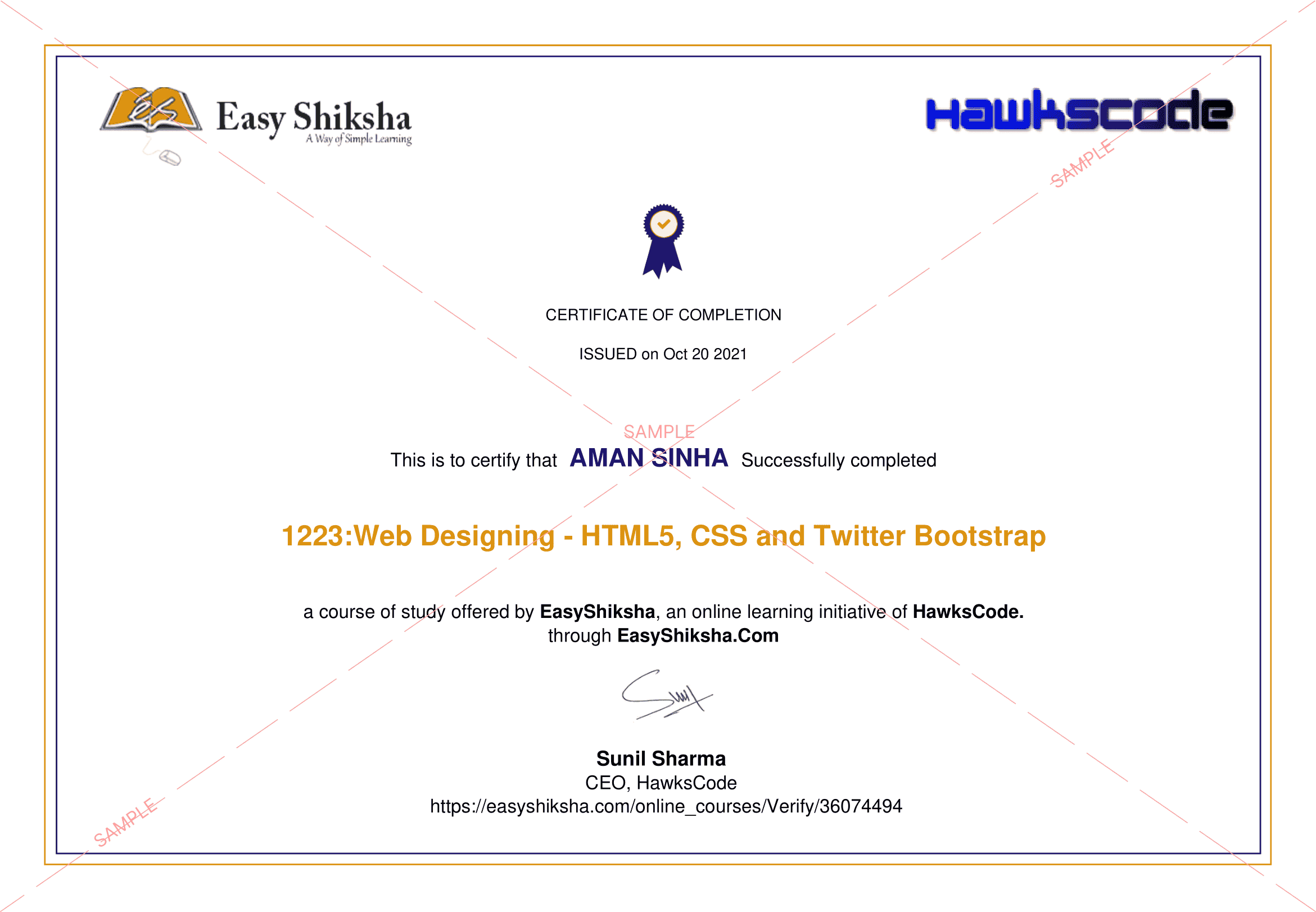
A further possibility would be to create a consultancy portfolio for every learner. Instead of relying exclusively on a course completion certificate, students could maintain verified records of the problems they investigated, the responsibilities they held, the methods they used, and the outcomes they produced. Sensitive client information would remain protected, but students could present approved summaries of their contributions. Over time, this portfolio could become useful evidence during job applications, interviews, and professional development discussions.
Connecting the Consultancy Model With Online Courses and Digital Learning
The consultancy concept could become more effective when supported by a structured digital learning environment. Students may understand the general principles of a subject but still need targeted preparation before working on an organisational assignment. An online course could introduce the relevant concepts, while a practical worksheet could help learners apply them to a sample problem. A quiz could check their understanding of essential knowledge before they enter a real project.
For example, students assigned to improve a small organisation’s digital enquiry process might first complete learning modules on user experience, form design, data organisation, and basic web development. They could then use a worksheet to map the existing customer journey and identify possible points of friction. A quiz could test their understanding of accessibility, usability, and data handling. Once they demonstrate the required foundational knowledge, they could begin the supervised consultancy assignment.
This creates a more connected learning structure in which academic preparation and practical experience reinforce each other. Instead of completing an online course and moving to an unrelated internship, students would use course knowledge to prepare for a specific organisational challenge. The consultancy outcome would then provide evidence of how effectively they applied that knowledge.
How EasyShiksha Could Support a Student Consultancy Ecosystem
EasyShiksha could support this model by connecting its educational resources with practical consultancy preparation and career development. Its online courses could help students build the foundational knowledge required for different assignments, including business analysis, digital marketing, programming, data analysis, project management, communication, and professional documentation. Students could select learning modules based on the type of organisational problem they expect to investigate rather than following a completely disconnected learning path.
For example, a student preparing to analyse business data could complete assessments on spreadsheets, data interpretation, and basic statistical reasoning. A student preparing to develop a website could demonstrate understanding of HTML, CSS, JavaScript, accessibility, and testing. EasyShiksha worksheets could introduce consultancy-style problem-solving before students work with external organisations. A worksheet might present a fictional business with incomplete customer records, inconsistent inventory data, or a poorly organised enquiry process. These exercises could help students become familiar with professional reasoning in a controlled environment.
Educational games could also introduce realistic decision-making situations. A business simulation might ask students to allocate a limited budget between customer service improvements, technology upgrades, and marketing activities. A project management game could introduce changing deadlines, incomplete information, and competing stakeholder priorities. Such experiences would prepare students to understand that real organisational decisions involve trade-offs rather than one universally correct answer.
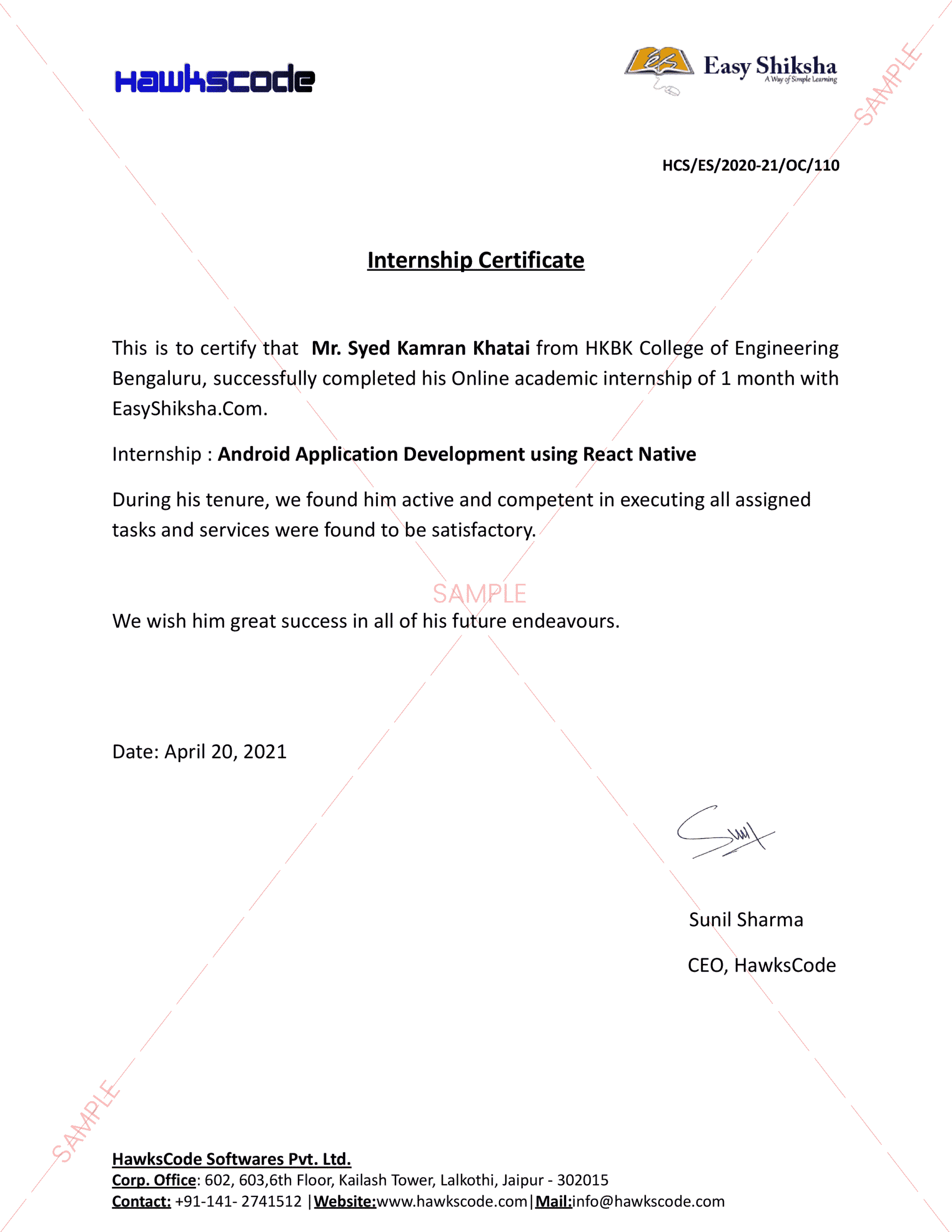
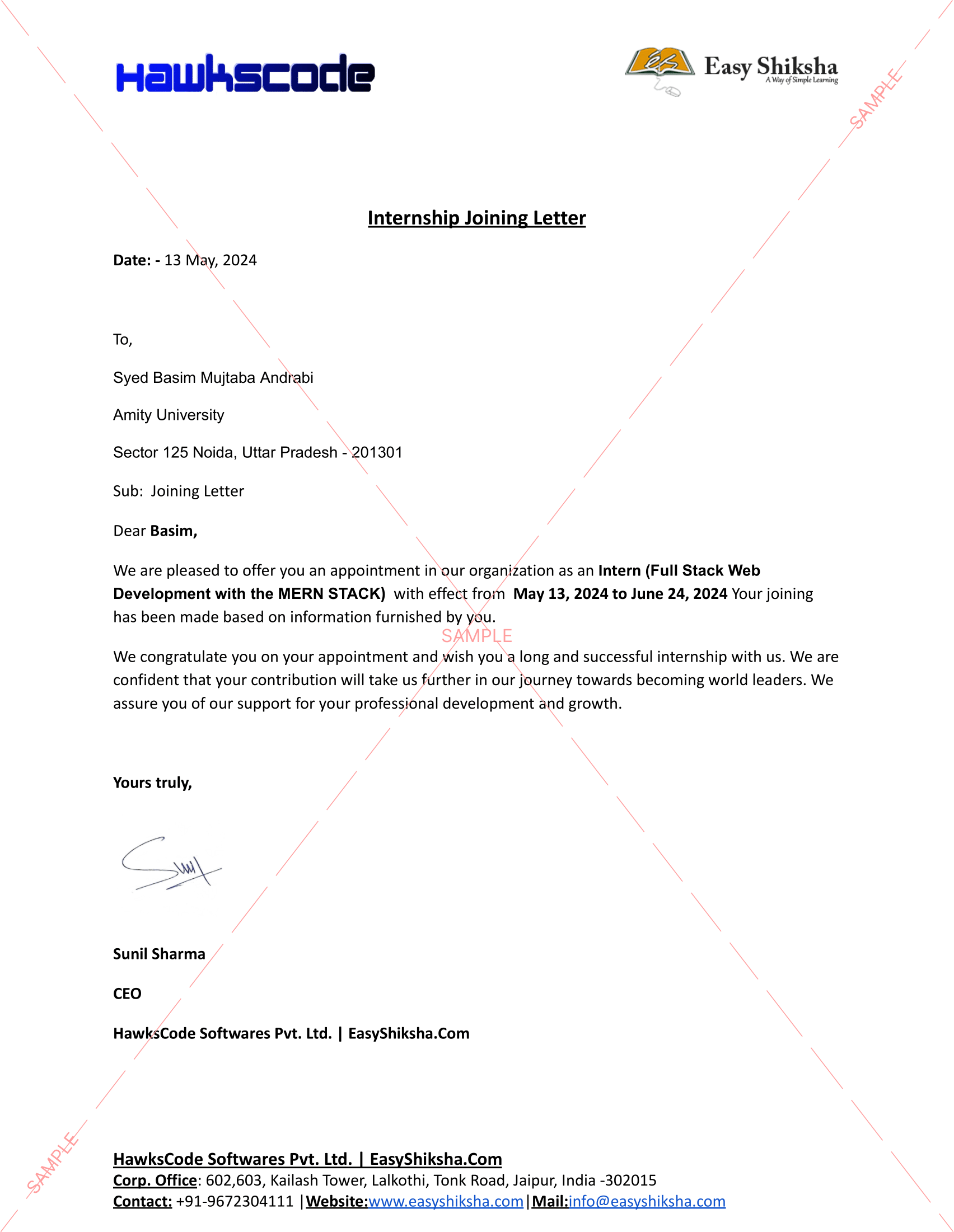
Internships could provide a further progression stage. Students who demonstrate the ability to complete supervised consultancy assignments could move towards longer industry projects, structured internships, and more advanced responsibilities. This would create a pathway from foundational learning to simulated practice, real organisational problem-solving, and professional experience. EasyShiksha could help learners discover relevant courses and internship opportunities while presenting a clearer relationship between their learning activities and career goals.
The Importance of Confidentiality, Data Protection, and Professional Ethics
Working with real organisations introduces responsibilities that cannot be ignored. Students may encounter customer records, financial documents, employee information, business strategies, internal software, or other sensitive material. Universities must establish clear rules governing what information students can access, how it can be stored, who can review it, and when it must be deleted. Access should be limited to what is necessary for the assignment, and students should receive appropriate training before handling organisational information.
Confidentiality agreements may be required for certain projects, but such agreements should be understandable and proportionate to the work being performed. Students should not be encouraged to share client documents through personal accounts or unsecured platforms. Universities should provide approved methods for storing and transferring project materials. Where personal data is involved, the project must comply with applicable data protection requirements and institutional policies.
Ethical considerations extend beyond information security. Students should represent their capabilities honestly and must not claim professional qualifications they do not possess. They should disclose conflicts of interest, obtain appropriate consent before collecting research information, and avoid making promises that the consultancy cannot fulfil. Organisations should also understand that student work is supervised academic work and may require professional verification before implementation.
Artificial intelligence introduces additional responsibilities. Students may use AI tools to support research, organise information, generate draft code, or compare possible approaches, but they should verify outputs and disclose relevant use according to university policy. AI-generated information may be inaccurate, incomplete, or inappropriate for a client’s situation. Students must remain accountable for the recommendations they submit. The consultancy should assess their understanding and judgement rather than simply reward the production of polished documents.
Making the Model Fair and Accessible to Students
A student-operated consultancy should not become an opportunity available only to learners who already have strong professional networks, expensive devices, or extensive prior experience. Universities should create transparent assignment allocation processes and ensure that students from different backgrounds can participate. Projects should be matched to academic preparation, available time, accessibility requirements, and individual learning objectives.
Some students may be more comfortable with programming, while others may have strengths in research, communication, finance, design, or analysis. Consultancy teams should recognise these different abilities and provide meaningful responsibilities to each member. A learner who does not write software could still contribute significantly through requirements analysis, user research, testing, documentation, or project coordination.
Universities should also consider students who study through online or distance-learning programmes. A digital consultancy platform could allow them to collaborate with organisations beyond their immediate geographical area. Remote meetings, shared project documentation, online mentoring, and virtual presentations could make participation possible without requiring every student to travel to a physical workplace. Where an assignment requires on-site observation or specialist equipment, universities could arrange local partners or alternative project formats.
The workload must remain realistic. Students already manage lectures, examinations, personal responsibilities, and other academic requirements. Consultancy assignments should therefore be integrated into the curriculum with suitable academic credit, allocated time, and clear expectations. Without this structure, the model could increase pressure instead of improving learning.
Measuring the Value Created for Organisations and Universities
A consultancy model should demonstrate value to both participating organisations and educational institutions. Organisations could evaluate whether the project produced a useful deliverable, clarified a problem, improved a process, or provided information that supports future decisions. They could also assess communication quality, reliability, and the relevance of the final recommendations. Feedback should be collected through a consistent process rather than relying on informal comments.
Universities could examine the number and variety of completed assignments, the quality of student work, the development of professional skills, and the extent to which projects support programme learning outcomes. They could also investigate whether students who participate in consultancy assignments demonstrate stronger performance in interviews, internships, practical assessments, or employment-related activities. Such evaluation should be based on evidence rather than assuming that participation automatically improves career outcomes.
The university could develop an annual consultancy report describing the types of problems addressed, the departments involved, the organisations served, and the educational outcomes observed. Client information would need to be anonymised or included only with permission. Over time, this report could help universities identify changing industry needs and update academic content accordingly. If organisations repeatedly request support with data analysis, digital accessibility, cybersecurity awareness, or process automation, those patterns could inform future course development.
Challenges That Could Prevent the Model From Succeeding
Although the idea offers considerable potential, implementation would involve several challenges. The first would be maintaining a reliable supply of suitable assignments. Some organisations may submit vague requests, expect immediate results, or demand services beyond student capabilities. Universities would need a screening process to assess project suitability, define realistic outcomes, and reject assignments that carry unacceptable risks.
Another challenge would be balancing academic schedules with organisational deadlines. A business may require a solution within a few weeks, while the students involved may have examinations or semester breaks. Project planning should therefore account for academic calendars, team availability, and the possibility of delays. Organisations must understand that student consultancies operate within educational structures rather than functioning like full-time commercial consulting firms.
Quality assurance would also require attention. A recommendation that appears reasonable in an academic report may not work under real operating conditions. Universities should use staged reviews, technical testing, client feedback, and clear handover procedures. Where an assignment involves high-risk decisions, the university should limit student participation to research or preliminary support and ensure that qualified professionals make the final decisions.
There may also be disagreements about ownership of student-created work. A team might develop a software prototype, design, research report, or business process that has commercial potential. Universities should establish transparent policies covering intellectual property, student rights, client usage, and any licensing arrangements before work begins. Clear agreements would reduce the possibility of disputes after a successful project.
Finally, universities must avoid measuring success only through the number of organisations served. A large number of poorly supervised assignments would not necessarily create better educational outcomes. A smaller number of well-designed projects may provide deeper learning, stronger client relationships, and more reliable evidence of student capabilities. Quality, fairness, and educational relevance should remain the central measures.
From Academic Assignments to a Continuous Professional Development System
The long-term potential of student-operated consultancies lies in creating a continuous relationship between learning and professional practice. A student could begin with a simulated problem in an online course, apply the relevant knowledge through a worksheet, demonstrate understanding through a quiz, and then participate in a supervised consultancy assignment. After completing several assignments, the learner could progress towards an internship or a more specialised industry project.
This progression could help universities understand academic development in a more comprehensive way. Rather than viewing each course, examination, project, and internship as an isolated activity, institutions could connect them through a record of demonstrated capabilities. Students would gradually build evidence showing how they moved from understanding a concept to applying it in a real organisational setting.
The same model could support lifelong learning after graduation. Former students might return to university for advanced consultancy projects, specialist courses, or professional development opportunities. Organisations could submit new challenges as their requirements change, while universities could use these challenges to identify emerging skill needs. The consultancy would therefore become more than a student service unit; it could function as a continuing connection between academic knowledge, professional practice, and community needs.
The Future of Universities as Centres of Practical Problem-Solving
The traditional university model remains essential for developing subject knowledge, intellectual independence, research ability, and academic understanding. However, the changing nature of employment requires learners to demonstrate that they can apply these capabilities in situations that involve incomplete information, different stakeholder expectations, limited resources, and practical constraints. A student-operated consultancy could provide a structured way to develop these abilities while students are still enrolled in their academic programmes.
Its greatest strength would be the scale and accessibility of the problems it addresses. Not every student needs to begin with a major corporate transformation project. Learning to improve a small business process, organise a community organisation’s information, test a basic digital solution, or investigate a local operational challenge can provide meaningful professional experience. These assignments would help learners understand the relationship between technical knowledge, communication, responsibility, and measurable outcomes.
The future of higher education may depend not only on what students learn but also on the problems they become capable of solving. A university that includes a student-operated consultancy in every programme would make practical problem-solving a regular part of academic life. Instead of waiting until graduation to encounter the expectations of professional work, students could begin developing those capabilities from the early stages of their education. Such a model would not replace lectures, examinations, or traditional internships. It would add a meaningful bridge between them, helping universities prepare graduates who understand not only their subjects but also how to use their knowledge responsibly in the world beyond the classroom.
Get Some Courses: Blockchain A-Z: Learn Blockchain, Cryptos & Smart Contracts , Landing Page Design & Conversion Rate Optimization 2026