















For generations, education has been structured around institutions. Students enter schools, colleges, universities, or professional programs, follow predetermined curricula, complete examinations, receive degrees or certificates, and eventually transition into employment. This model has created a familiar relationship between education and time. Students study for a defined period, graduate, and then move into professional life.
The digital transformation of education is challenging this assumption. Learning is increasingly becoming continuous, modular, personalised, and accessible beyond traditional academic calendars. Students can take an online course today, complete a quiz tomorrow, work on a project next week, participate in an internship next month, earn a certificate, explore a university program, and seek career guidance whenever their needs change. Education no longer has to exist entirely inside a fixed institutional timeline.
This shift creates the possibility of Education as a Service, a model in which students can access different educational experiences whenever they need them rather than receiving everything through one fixed program. Knowledge, assessment, practical experience, credentials, career guidance, and employment preparation could become connected services within a continuously available digital ecosystem.
The concept does not necessarily suggest replacing schools or universities. Instead, it proposes extending the educational experience beyond the traditional boundaries of a degree or course. Students could access additional learning when they encounter a knowledge gap, practical experience when they need application, credentials when they demonstrate new capabilities, and career support when they approach professional transitions.
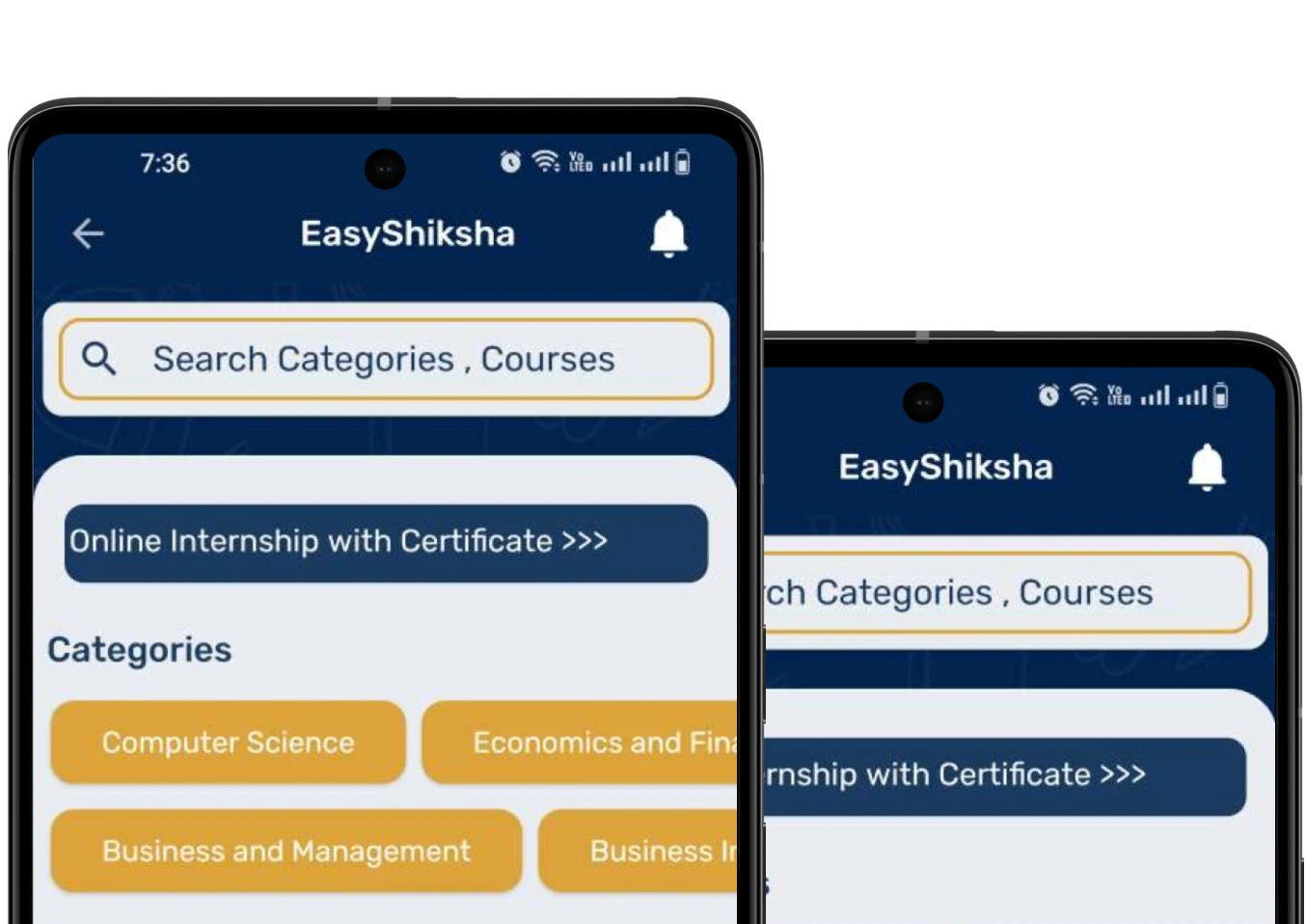
For a platform such as EasyShiksha, this idea provides a framework for connecting online courses, quizzes, internships, university programs, games, certificates, degrees, career guidance, projects, and job-oriented learning into a more continuous student experience. The platform could become not simply a place where students consume educational content but an environment where they access different forms of learning and career development according to their changing needs.
The central question therefore becomes more interesting than whether education can be delivered online. The question is whether education can function more like an ongoing service that students can access throughout their academic and professional lives.
What Does Education as a Service Actually Mean?
The phrase Education as a Service draws inspiration from the broader transformation of digital services. In many areas of technology, users no longer purchase a single permanent product and stop interacting with the provider. They access continuously updated services that evolve according to their needs.
Applying a similar philosophy to education means treating learning as an ongoing service rather than a one-time transaction.
A student would not necessarily think, “I completed my education.” Instead, the learner could access different educational resources at different stages. When entering a new field, the student could access foundational courses. When preparing for an examination, the learner could use quizzes and assessments.
The service becomes continuous because the student’s needs continue changing. Education as a Service therefore focuses on accessibility, continuity, personalisation, and connection. The objective is not simply to provide more content. It is to make different educational experiences available at the moment they become relevant.
Why the Traditional Education Timeline Is Changing
Traditional education operates through relatively fixed stages. Students complete school, enter higher education, graduate, and then pursue employment. Professional learning may occur later through short courses, workshops, certifications, or workplace training.
The digital environment is making these boundaries less rigid.
A school student can begin learning programming before entering university. A university student can complete professional courses while pursuing a degree. A graduate can acquire a new skill through online education while working full-time. A professional can return to education years after graduation to transition into another career.
This creates a nonlinear learning journey.
Students no longer necessarily need to wait for a formal academic stage before acquiring a particular skill. They can learn when the need emerges.
Education as a Service responds to this change by making learning available according to need rather than strictly according to age, semester, or institutional timetable.
The On-Demand Learning Layer
At the foundation of Education as a Service is on-demand learning.
Students need access to structured learning experiences when they encounter new interests, academic challenges, career requirements, or professional skill gaps. Online courses provide an important mechanism for this flexibility.
A learner interested in artificial intelligence may begin with an introductory course. Another student preparing for a career in digital marketing may explore SEO, social media marketing, analytics, or advertising. A professional transitioning into technology may require programming or data skills.
The important feature is not merely that these courses are available. It is that students can access them according to their current needs.
For EasyShiksha, online courses can function as modular learning units within a broader education ecosystem. A student can enter the learning system at different points and continue developing capabilities without needing to restart an entire educational journey.
This creates an education model that is more responsive to the learner’s situation.
Learning Gaps Could Trigger New Services
One of the most useful possibilities of Education as a Service is the ability to respond to learning gaps.
Suppose a student completes a course but struggles with a particular concept in a quiz. The platform could identify the area requiring reinforcement and provide additional learning resources.
A learner may understand theoretical concepts but struggle to apply them in a project. The next service could therefore be practical learning rather than another theoretical course.
A student preparing for an internship may need communication or professional skills. The platform could provide relevant training before the internship begins.
This creates a learning loop in which each experience can generate the need for another experience.
Instead of treating education as a fixed package, the system becomes responsive.
Quizzes as an On-Demand Assessment Service
Assessment is another area where the Education as a Service model can create flexibility. Traditional assessment is often associated with fixed examinations at predetermined points in an academic calendar. Digital platforms can make assessment more continuous.
Quizzes can be taken before learning to establish existing knowledge, during learning to measure progress, and after learning to evaluate understanding. For students, this means assessment can become part of everyday learning rather than something reserved for final examinations.
Within EasyShiksha’s ecosystem, quizzes can also help students identify areas requiring additional practice. A learner who performs well may progress toward more advanced content, while a learner who struggles can return to foundational concepts. This creates an adaptive relationship between assessment and learning.
Practical Projects as a Service Layer
Education becomes increasingly valuable when students can apply knowledge. Projects provide a practical environment where learners can experiment, solve problems, build solutions, and demonstrate capabilities. In an Education as a Service model, projects can become accessible whenever the learner reaches an appropriate stage.
A student completing a programming course may access a development project. A digital marketing learner may work on a campaign simulation. A finance student may analyse a business dataset. An electronics learner may work on a practical prototype.
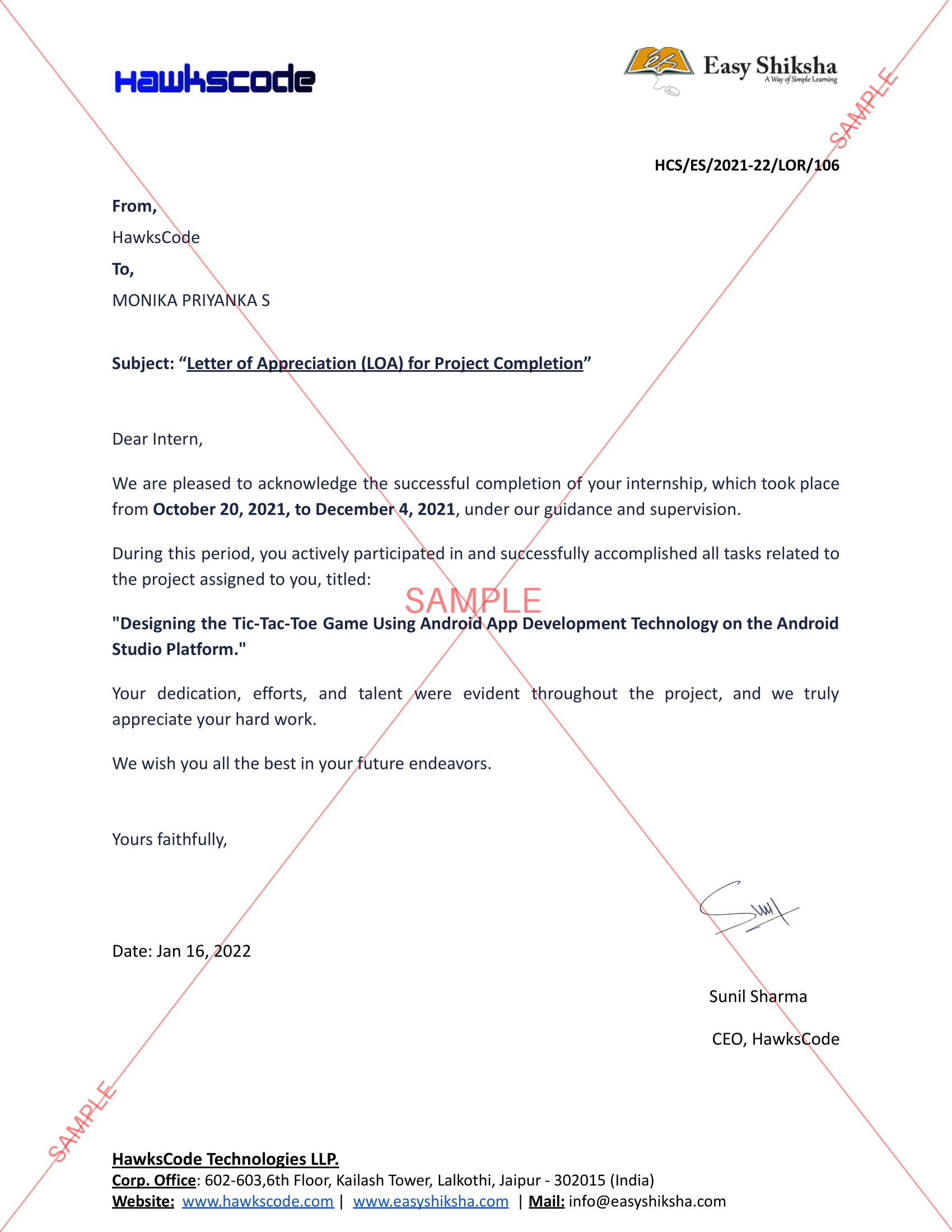
The project becomes a service that transforms knowledge into evidence. This is particularly relevant to students preparing for employment because projects can provide concrete examples of their capabilities. Instead of simply stating that a course was completed, the learner can demonstrate what was built or accomplished.
Internships as an Experience Service
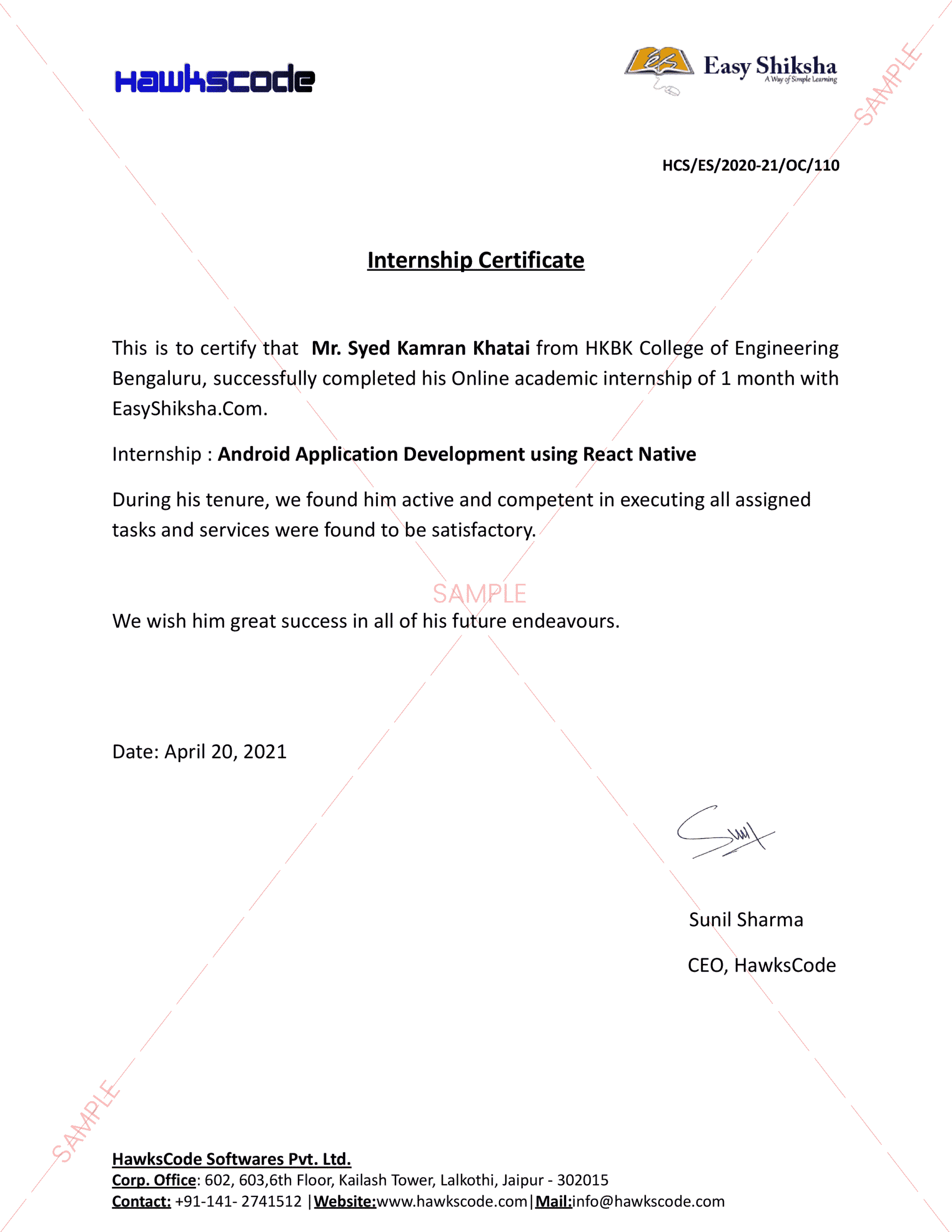
Internships are another important component of Education as a Service because they connect learning with professional environments. The traditional model often places internships near the end of an academic program. A service-based education ecosystem could make practical experience more accessible throughout the learning journey.
A student might begin with a short project, move into a structured internship, receive feedback, identify areas for improvement, and return to online learning. This creates a cycle between education and experience.
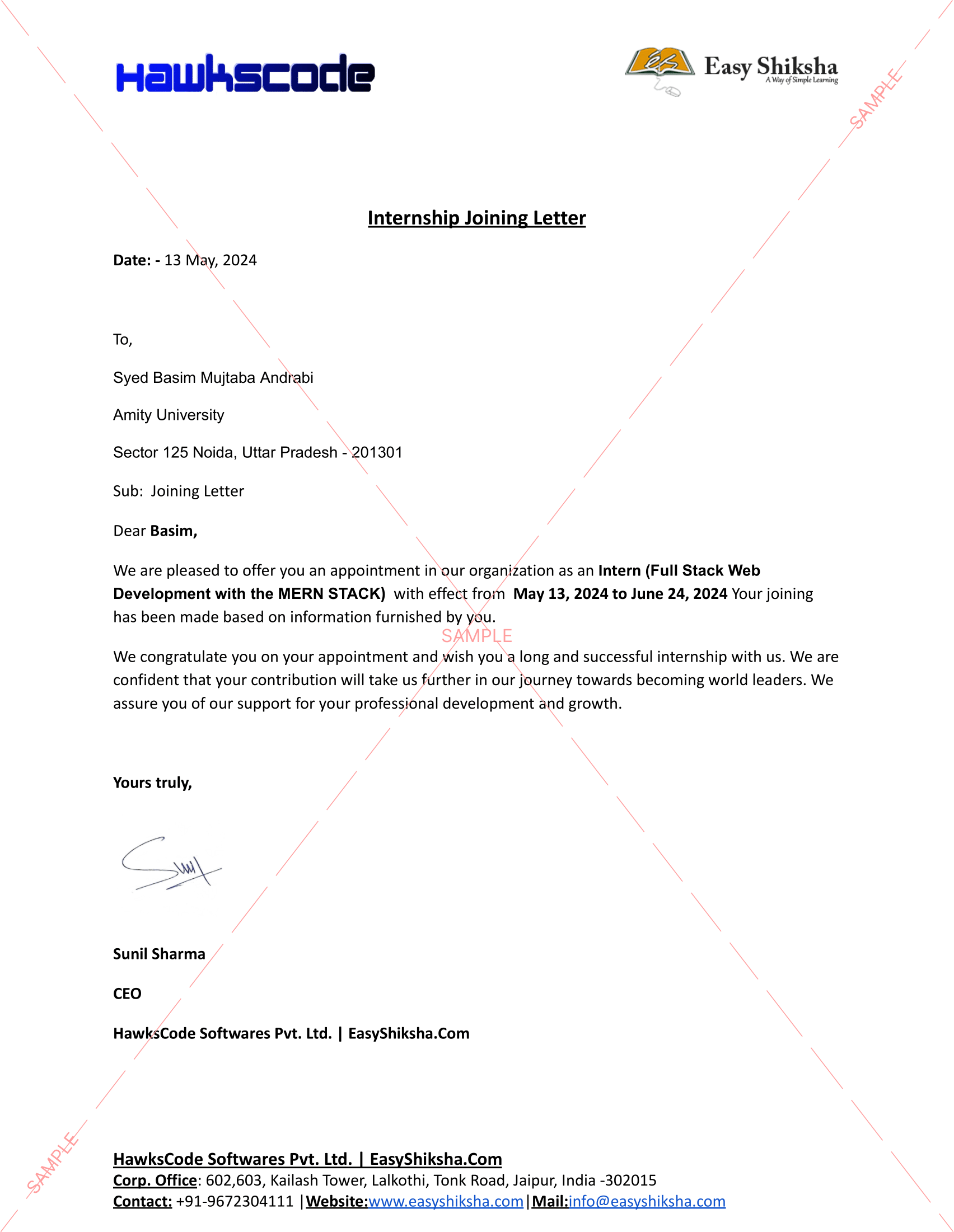
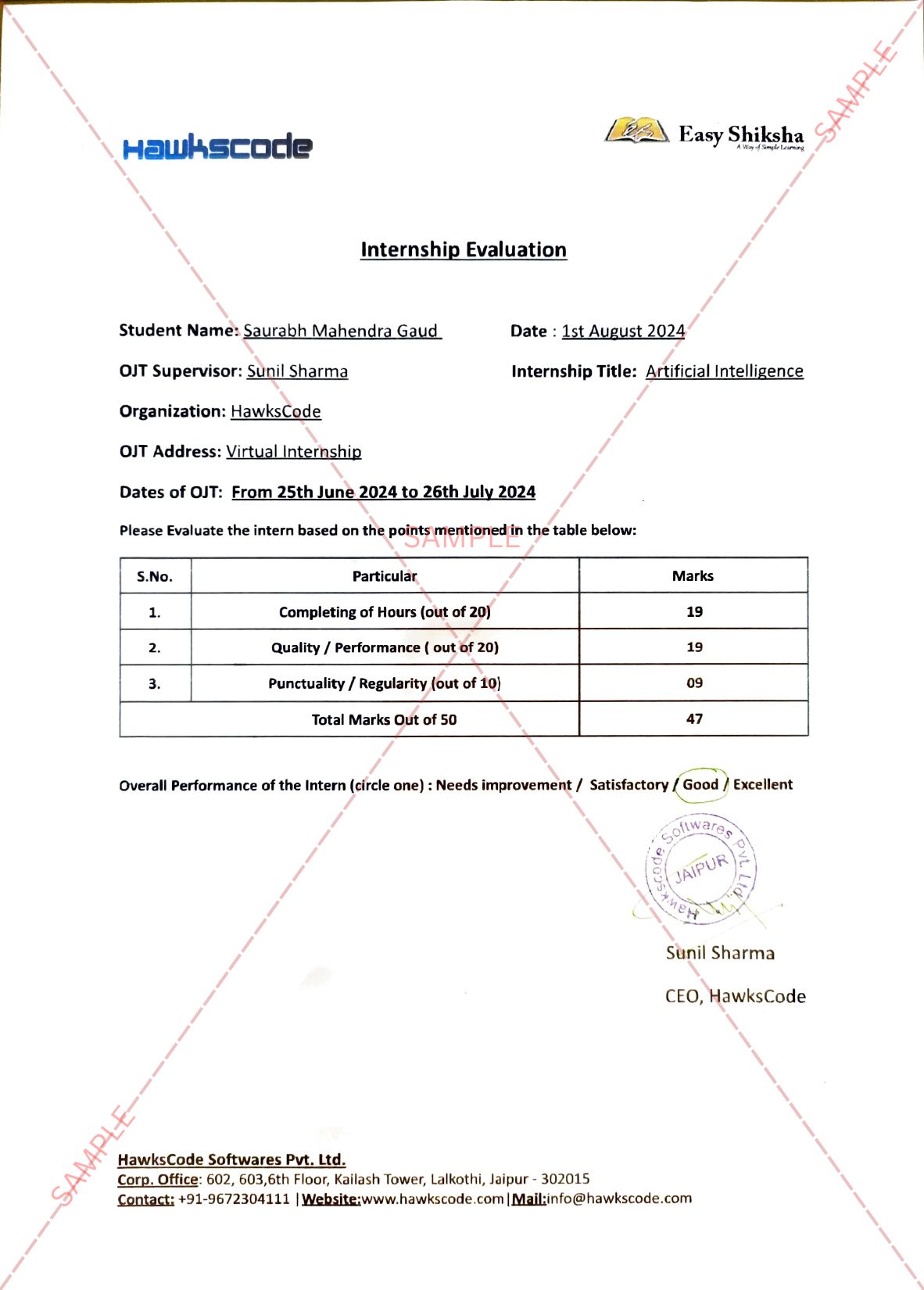
For EasyShiksha, internships can therefore complement courses and projects rather than functioning as an independent feature. Students can learn a skill, practise it, gain exposure through an internship, document the experience, and then continue developing their capabilities. The learning journey becomes increasingly connected to professional reality.
Credentials on Demand
Credentials are another important part of the Education as a Service model.
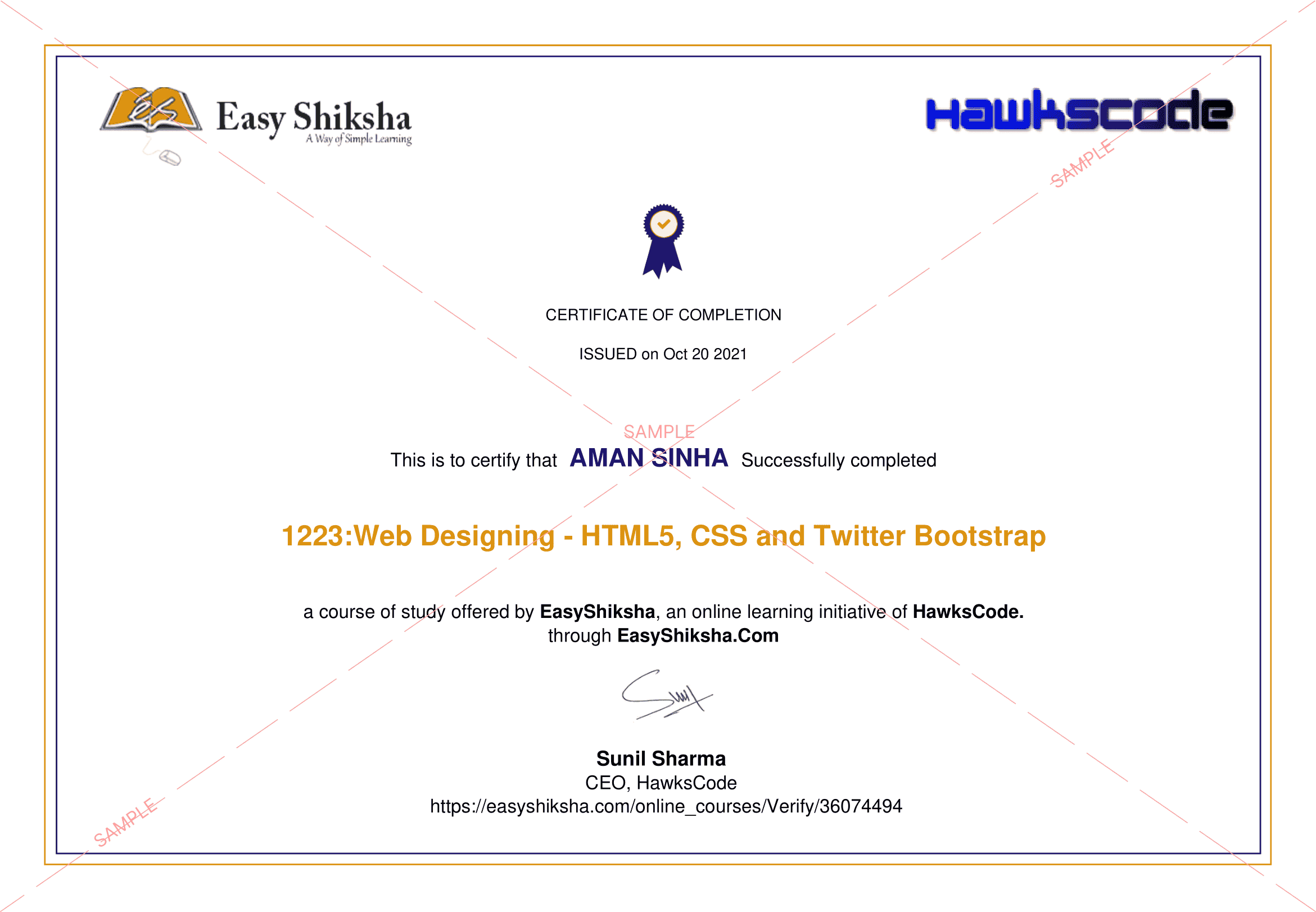
Students increasingly need ways to document what they have learned. Certificates can provide evidence of course completion, while degrees can represent formal academic qualifications.
However, credentials can become more useful when connected with the learning experiences that produced them.
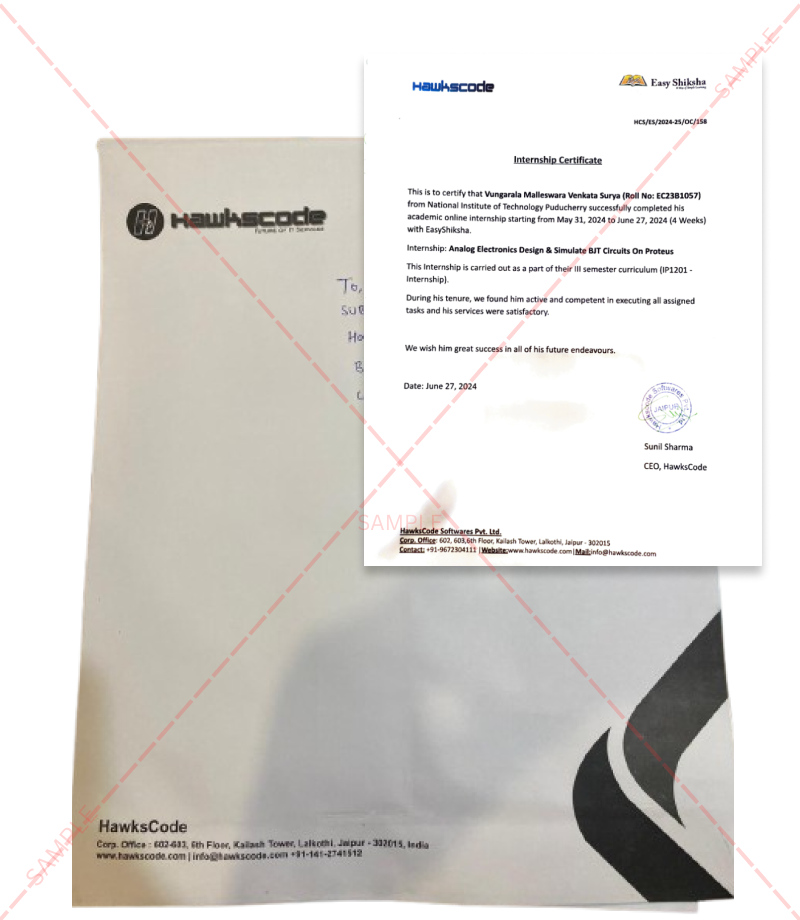
A certificate can confirm that a learner completed a program. A project can demonstrate practical application. An internship can provide evidence of professional exposure. A degree can establish formal academic achievement.
Together, these components create a broader learning identity.
Education as a Service could allow learners to continuously accumulate credentials and evidence rather than waiting for one major graduation event.
The Difference Between a Certificate and a Learning Record
A future education ecosystem may move beyond isolated certificates toward more comprehensive learning records.
Imagine a student whose digital profile contains courses completed, quiz performance, projects developed, internships undertaken, certificates earned, university programs pursued, and career experiences accumulated over several years.
This profile becomes more valuable because it represents the learner’s journey rather than a collection of independent achievements.
The concept aligns naturally with the idea of a Personal Learning Cloud. The learner’s educational history can remain connected as the student moves from school to university, from university to employment, and from employment into further learning. Education becomes cumulative. Each new learning experience adds another layer to the learner’s existing identity.
Degrees as a Long-Term Education Service
Education as a Service does not mean eliminating degrees.
Degrees remain important for formal academic development and can provide structured learning, recognised qualifications, and broader intellectual foundations.
The difference is that a degree could become one component of a larger learning ecosystem.
A student pursuing a degree may simultaneously access specialised online courses, quizzes, practical projects, internships, career guidance, and professional development.
The degree provides the formal academic framework while the surrounding digital ecosystem allows the student to adapt learning according to personal interests and career requirements.
For platforms such as EasyShiksha, university programs can therefore exist alongside flexible digital learning experiences.
The result is not a replacement model but a connected model.
Career Guidance as a Continuous Service
Career guidance has traditionally been treated as an occasional activity. Students may meet a counsellor before choosing a university, near graduation, or when searching for employment.
Education as a Service creates the possibility of continuous career guidance.
A student’s career questions can change over time.
A school student may ask what careers exist within technology. A university student may ask which skills complement a degree. A graduate may want to understand which roles align with their projects. A working professional may want to transition into a new industry.
The same learner may therefore require different forms of guidance at different moments.
A digital platform can potentially provide career exploration, skill mapping, role information, project recommendations, internship pathways, resume preparation, and employment-oriented learning throughout the journey.
Career guidance becomes an ongoing service rather than a single consultation.
Artificial Intelligence as the Personalisation Engine
Artificial intelligence could become an important component of Education as a Service because students do not need the same educational services at the same time.
AI can potentially analyse learning history, assessment performance, interests, projects, career goals, and previous experiences to recommend relevant next steps.
For example, a student may complete a course but demonstrate weakness in a particular concept. The system could recommend targeted practice. Another learner may demonstrate mastery and receive a more advanced project.
A student who changes career direction could receive a revised learning pathway based on existing transferable skills.
The AI layer therefore becomes a personalisation engine.
Its role would not be to make decisions on behalf of the learner but to organise information and suggest relevant possibilities.
The AI Study Strategist Within Education as a Service
The concept of an AI Study Strategist fits naturally into this model.
Instead of asking students to search manually through hundreds of educational resources, an intelligent system could help identify what the learner may need at a particular moment.
A student might ask whether they should take another course, attempt a project, prepare for an internship, explore a different career, or strengthen a particular skill.
The AI Study Strategist could use the learner’s existing evidence to explain possible next steps.
This creates a connection between Education as a Service and personalised learning.
The platform becomes capable of delivering not just educational content but contextual recommendations.
Games and Simulations as Learning Services
Games and simulations can also become part of an on-demand education ecosystem.
Not every learning requirement is best addressed through a traditional course.
A student exploring entrepreneurship may benefit from a business simulation. A learner interested in finance may benefit from interactive decision-making exercises. A student exploring a career may benefit from a professional simulation.
Games can introduce experimentation and engagement.
Within an Education as a Service ecosystem, these experiences can be made available when they are relevant to the learner’s current stage.
The student is not simply consuming content. The learner is interacting with an environment designed around a particular capability or decision.
Career Experience Before Employment
One of the major challenges in education is the transition between learning and employment.
Students often have academic knowledge but limited professional exposure. Education as a Service can attempt to reduce this gap by making career experience accessible before graduation.
Projects, internships, simulations, career challenges, and practical assignments can provide progressively deeper exposure.
A student can therefore build experience before entering a full-time role.
This changes the traditional relationship between education and employment. Instead of education ending before work begins, professional preparation becomes integrated into the learning journey.
Education as a Service and Lifelong Learning
The strongest potential of this model may appear after graduation.
The traditional education system often treats graduation as a major endpoint. But professional life continuously changes.
New technologies emerge. Industries adopt new tools. Job roles evolve. Professionals change careers. Businesses introduce new requirements.
A lifelong learning model requires education to remain accessible after formal education ends.
Education as a Service can provide this continuity.
A graduate can return to learning whenever a new skill is required. A professional can take a short course, complete a project, earn a certificate, or participate in an internship-like experience without returning to a full-time academic program.
Education becomes a persistent service throughout professional life.
The Economics of Flexible Education
Education as a Service also raises questions about how education is consumed and valued.
Traditional education often involves large commitments of time and money. Students enrol in long programs even when they need only a specific set of skills.
A more modular service model can allow learners to access smaller learning experiences according to their requirements.
This does not necessarily mean every educational experience should become shorter. Some capabilities require substantial time and structured study.
The important difference is flexibility.
Students can combine different educational experiences according to their circumstances rather than relying exclusively on one fixed package.
For learners managing academic commitments, employment, financial constraints, or changing career goals, this flexibility can become particularly relevant.
The Education Experience Stack and Education as a Service
Education as a Service connects closely with the concept of an Education Experience Stack.
The stack represents the different layers of the student journey, including discovery, learning, assessment, practice, experience, credentials, career development, and employment.
Education as a Service describes how students could access these layers continuously.
A student may discover a career, access a course, complete a quiz, work on a project, participate in an internship, earn a certificate, receive career guidance, and eventually explore employment opportunities.
The important factor is that the services are connected.
The platform can remember the learner’s journey and use previous experiences to make future interactions more relevant.
This is where the difference between a collection of educational products and a true education ecosystem becomes visible.
Building a Portable Student Identity
A service-based education model also creates an important need for learner identity.
Students should not have to rebuild their educational history every time they enter a new learning environment.
A portable learning identity could allow students to maintain a record of their skills, courses, projects, internships, certificates, academic qualifications, and achievements.
This identity could evolve throughout life.
For EasyShiksha, such a concept could strengthen the relationship between learning and career development. A student’s profile could represent not only completed courses but the broader evidence accumulated across the learning journey.
The result is a digital education identity that becomes more valuable as the learner develops.
Challenges of Education as a Service
Despite its potential, Education as a Service presents significant challenges.
The first is quality. Making education continuously available does not automatically make it effective. Learning experiences need strong instructional design, accurate content, appropriate assessment, and meaningful practical opportunities.
The second challenge is information overload. If platforms offer too many choices, students may become more confused rather than less. Personalisation and intelligent navigation therefore become essential.
The third challenge is data responsibility. A connected education ecosystem may process extensive information about students’ learning behaviour, performance, interests, and career goals. Appropriate privacy, transparency, security, and user control are critical.
There is also a risk of over-automation. AI recommendations can be useful, but students should retain agency over their educational decisions. Human educators, mentors, institutions, and career professionals continue to have an important role.
Finally, credentials need credibility. A service-based education ecosystem must ensure that certificates and other forms of recognition have clear meaning and are supported by genuine learning or demonstrated capability.
The Future of EasyShiksha as an Education Service Ecosystem
The broader vision for EasyShiksha can be understood through this shift from individual educational products toward a connected service ecosystem.
Online courses can provide structured knowledge. Quizzes can measure understanding. Projects can create practical evidence. Internships can provide professional exposure. Certificates can document learning. Degrees and university programs can support formal education. Games can create interactive learning environments. Career guidance can help students interpret possibilities. Job-oriented learning can help connect skills with employment.
The opportunity is to make these components work together.
A student should not have to understand the internal structure of the platform. The experience should feel continuous.
If a student completes a course, the next relevant opportunity can become visible. If a quiz reveals a gap, targeted learning can become available; If a project demonstrates readiness, an internship pathway can appear; If the learner’s career interest changes, the learning journey can adapt.
This creates a more responsive education environment.
Education Without a Fixed Endpoint
Perhaps the most important philosophical shift in Education as a Service is the idea that education does not have to have one permanent endpoint.
Graduation can remain an important milestone, but it does not have to represent the end of learning.
A student can graduate and continue developing new skills. A professional can return to education after several years. A career change can trigger a new learning pathway. An emerging technology can create a new learning requirement.
Education becomes a continuous relationship.
This is particularly relevant in an economy where knowledge and technology change rapidly. The ability to learn repeatedly may become as important as the knowledge acquired during one formal academic period.
Conclusion: Education That Appears When the Learner Needs It
Education as a Service represents a fundamental shift in how digital learning can be designed.
Instead of treating education as a fixed program that students complete and leave behind, it treats learning as a continuously accessible ecosystem. Students can access knowledge when they need it, assessment when they need feedback, projects when they need practice, internships when they need experience, credentials when they demonstrate achievement, university programs when they need formal education, career guidance when they need direction, and employment preparation when they approach professional transitions.
For EasyShiksha, this model provides a natural way to connect its broader educational ecosystem. Courses, quizzes, internships, university programs, games, certificates, degrees, career guidance, projects, and job-oriented learning can become interconnected services rather than isolated features.
Artificial intelligence can potentially add another layer by helping students navigate these services according to their individual needs. An AI Study Strategist could interpret learning progress and suggest possible next steps, while a Personal Learning Cloud could maintain continuity across different stages of education.
The future of education may therefore become less about choosing one institution or one program for a fixed period and more about building a continuous learning relationship.
A student may need a course today, a project tomorrow, an internship next month, a certificate after demonstrating a new skill, career guidance during a transition, and a completely different learning pathway several years later.
Get Some Courses: Antivirus Software: Protecting Computers, Networks, and Data from Malicious Threats, Android Apps for Arduino with MIT App Inventor without Code