


























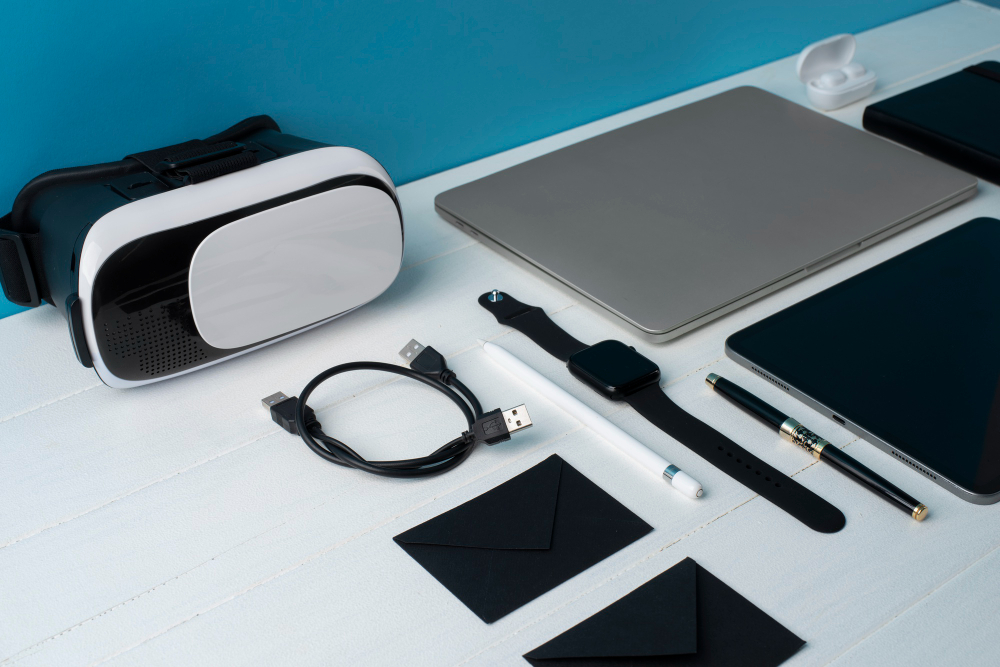
In the modern digital learning environment, students are surrounded by multiple devices—smartphones, tablets, laptops, and sometimes even smartwatches. While each device offers convenience and functionality, using too many simultaneously often leads to fragmented attention, constant distractions, and reduced productivity and focus.
The idea that more technology leads to better learning is not always accurate. In fact, an overload of devices can create cognitive clutter and make it harder to focus. This is where the concept of a minimal device ecosystem becomes highly valuable.
A minimal device ecosystem is about using fewer devices with clearly defined purposes to create a focused and distraction-free learning environment. When combined with structured platforms like EasyShiksha, this approach can significantly improve concentration, efficiency, and learning outcomes.
Understanding the Concept of a Minimal Device Ecosystem
A minimal device ecosystem involves reducing the number of devices used for studying and assigning clear roles to each one. Instead of juggling multiple screens, students rely on a simplified setup that supports focused learning.
This approach is not about limiting access to technology but about using it more intentionally. By eliminating unnecessary complexity, students can concentrate better and make more effective use of their time.
EasyShiksha’s streamlined platform supports this concept by offering a centralized learning experience that does not require multiple tools or devices.
Also Read: Combining Offline and Online Study Methods
The Problem with Multi-Device Overload
Using multiple devices simultaneously may seem productive, but it often leads to divided attention. Students may switch between screens, check notifications, or engage in unrelated activities.
This constant switching disrupts focus and increases mental fatigue. It also reduces the ability to engage deeply with learning material.
Over time, this behavior can negatively impact comprehension and retention.
The Psychology of Focus and Simplicity
The human brain performs best when it can concentrate on a single task without interruptions. Simplicity reduces cognitive load and allows for deeper engagement.
A minimal device setup aligns with this principle by creating an environment that supports sustained attention.
When distractions are minimized, students can enter a state of deep work, where learning becomes more efficient and effective.
Choosing the Right Core Device
The foundation of a minimal device ecosystem is selecting a primary device for learning. This could be a laptop, tablet, or smartphone, depending on the student’s needs and preferences.
The key is to choose a device that supports all essential learning activities, including accessing courses, taking notes, and completing assignments.
EasyShiksha’s compatibility across devices allows students to choose the one that best suits their learning style.
Defining Clear Roles for Each Device
If multiple devices are necessary, each should have a clearly defined role. For example, one device can be used exclusively for learning, while another is reserved for communication or entertainment.
This separation reduces the temptation to multitask and helps maintain focus during study sessions.
Clear boundaries between devices create a more organized and efficient learning environment.
Eliminating Redundant Technology
Many students use devices or apps that add little value to their learning process. Identifying and eliminating these redundancies is essential for creating a minimal ecosystem.
This includes removing unnecessary applications, disabling non-essential notifications, and simplifying digital workflows.
A streamlined setup reduces distractions and improves overall efficiency.
Creating a Distraction-Free Digital Environment
A minimal device ecosystem should prioritize focus. This involves configuring devices to minimize interruptions, such as turning off notifications and using full-screen modes.
Students should also limit access to non-essential websites and apps during study sessions.
EasyShiksha’s clean and structured interface supports distraction-free learning.
Integrating Offline Tools
A minimal ecosystem does not have to be entirely digital. Incorporating offline tools such as notebooks or printed materials can enhance focus and reduce screen time.
Offline tools provide a break from digital distractions and support deeper cognitive processing.
Combining digital and offline methods creates a balanced and effective learning environment.
Structuring Study Sessions for Maximum Focus
With fewer devices, it becomes easier to structure study sessions. Students can dedicate specific periods to focused learning without interruptions.
This structured approach improves time management and ensures consistent progress.
EasyShiksha’s modular content fits well within focused study sessions.
Reducing Decision Fatigue
Using multiple devices often requires constant decision-making about which tool to use and when. This can lead to decision fatigue, reducing mental energy for learning.
A minimal ecosystem simplifies choices, allowing students to focus entirely on their studies.
This clarity improves efficiency and reduces stress.
Enhancing Deep Work and Concentration
Deep work is the ability to focus intensely on a task without distractions. A minimal device setup supports this by eliminating unnecessary interruptions.
Students can engage more deeply with learning material, leading to better understanding and retention.
EasyShiksha provides the structured content needed for effective deep work sessions.
Building Consistent Study Habits
Consistency is easier to maintain in a simplified environment. With fewer distractions and clearer workflows, students can develop regular study habits.
These habits reinforce discipline and contribute to long-term success.
A minimal device ecosystem supports this consistency by reducing complexity.
Adapting the Ecosystem to Individual Needs
Every student has unique learning preferences. A minimal device ecosystem should be flexible enough to accommodate these differences.
Some students may prefer a single device, while others may benefit from a two-device setup with clearly defined roles.
The key is to maintain simplicity while meeting individual requirements.
The Role of EasyShiksha in Minimal Learning Setups
EasyShiksha plays a crucial role in supporting minimal device ecosystems. Its all-in-one platform reduces the need for multiple tools and applications.
Students can access structured courses, track progress, and engage with content from a single interface.
This simplicity aligns perfectly with the goal of maximizing focus.
Long-Term Benefits of a Minimal Device Ecosystem
Adopting a minimal device ecosystem leads to improved concentration, better time management, and enhanced learning outcomes. It also reduces stress and mental fatigue.
Students develop the ability to focus deeply and work efficiently, skills that are valuable beyond academics.
EasyShiksha supports these outcomes by providing a platform that encourages simplicity and structure.
Conclusion
A minimal device ecosystem is a powerful approach to improving focus and productivity in online learning. By reducing the number of devices and simplifying their roles, students can create an environment that supports deep and meaningful learning.
EasyShiksha enhances this approach by offering a structured and accessible platform that fits seamlessly into a simplified setup. When combined with disciplined habits and intentional use of technology, this strategy can significantly improve learning outcomes.
In the end, success in learning is not about using more tools, but about using the right ones effectively.
Get Some Courses: QuickBooks for freelancers and self-employed , Quality Management System




























