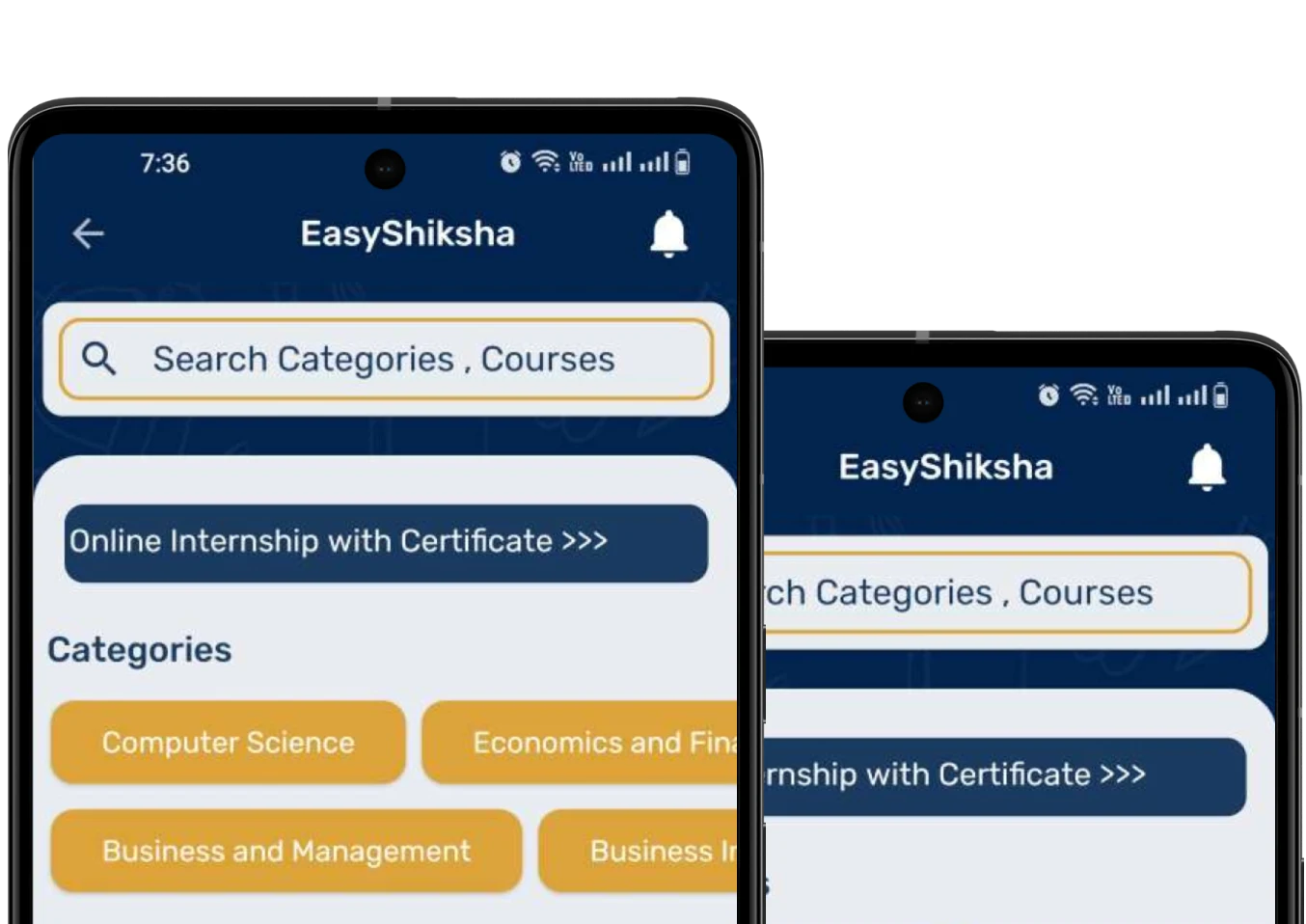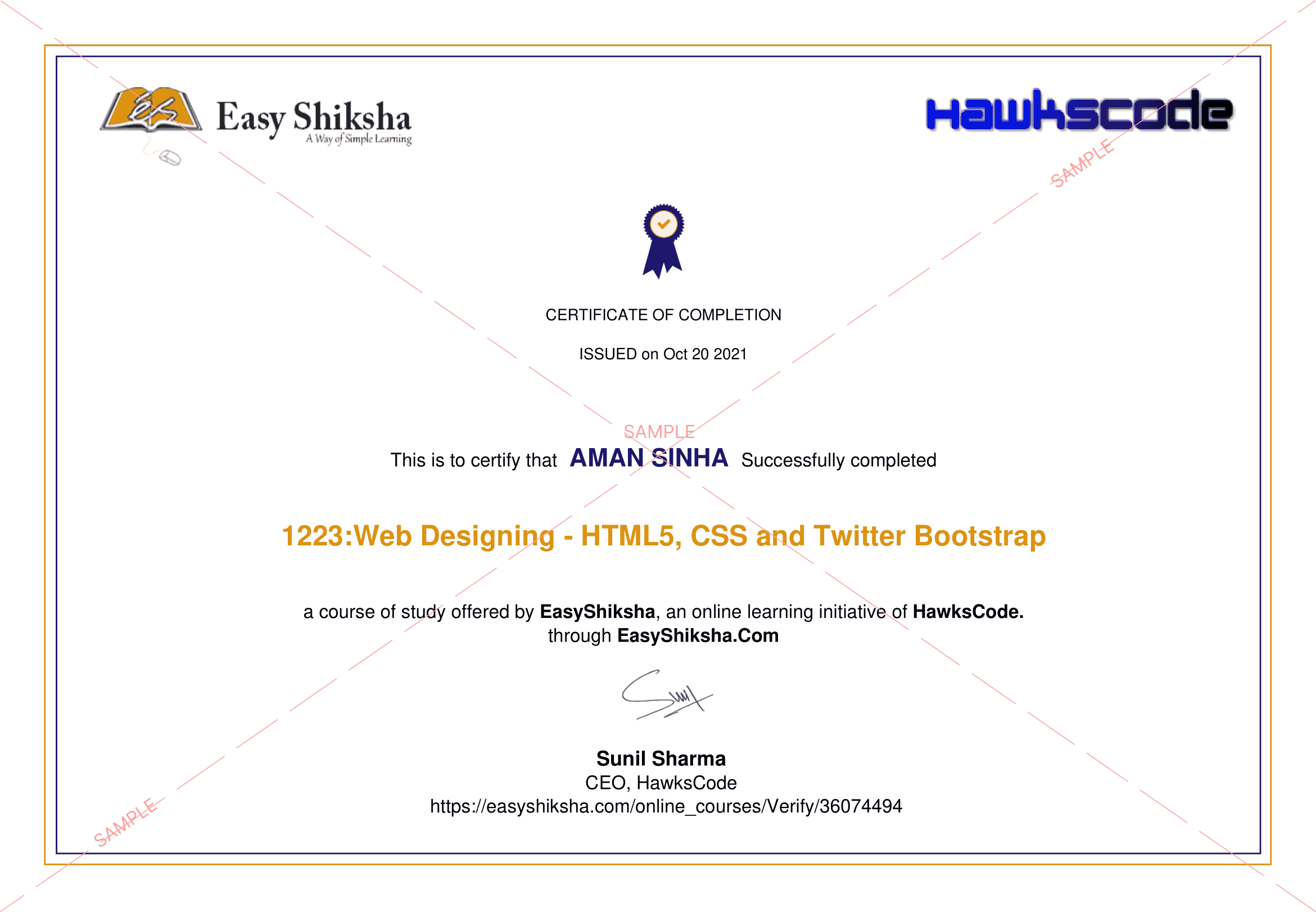
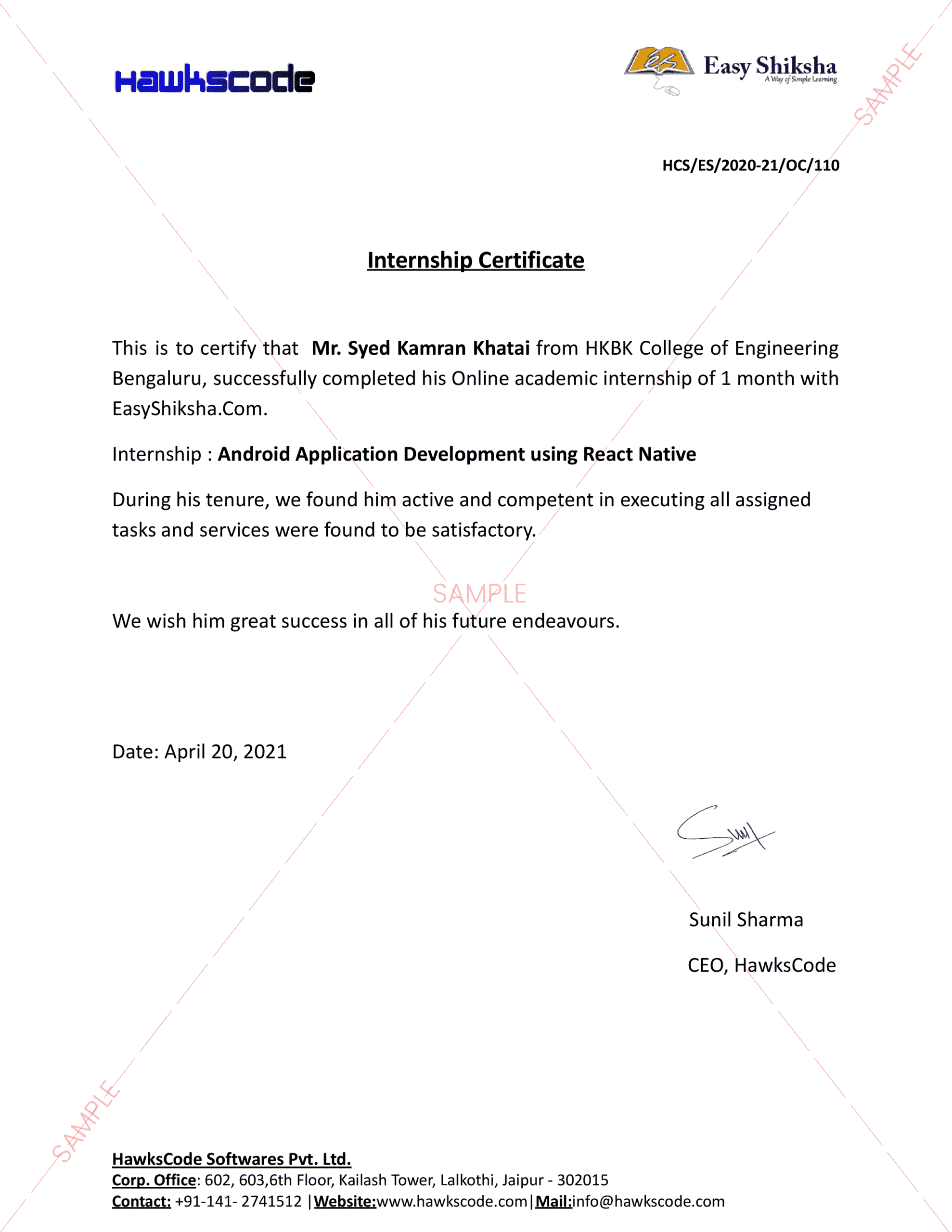
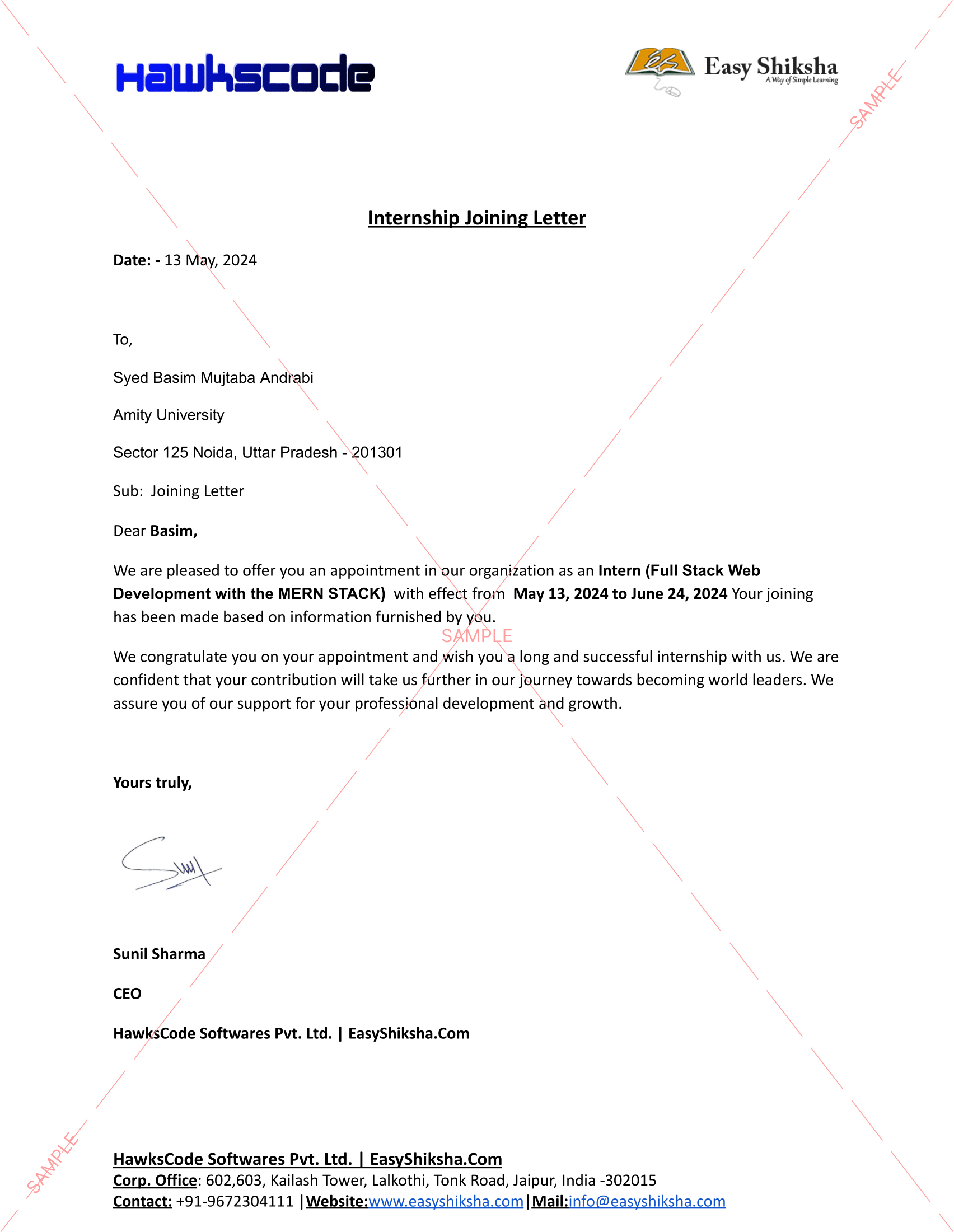
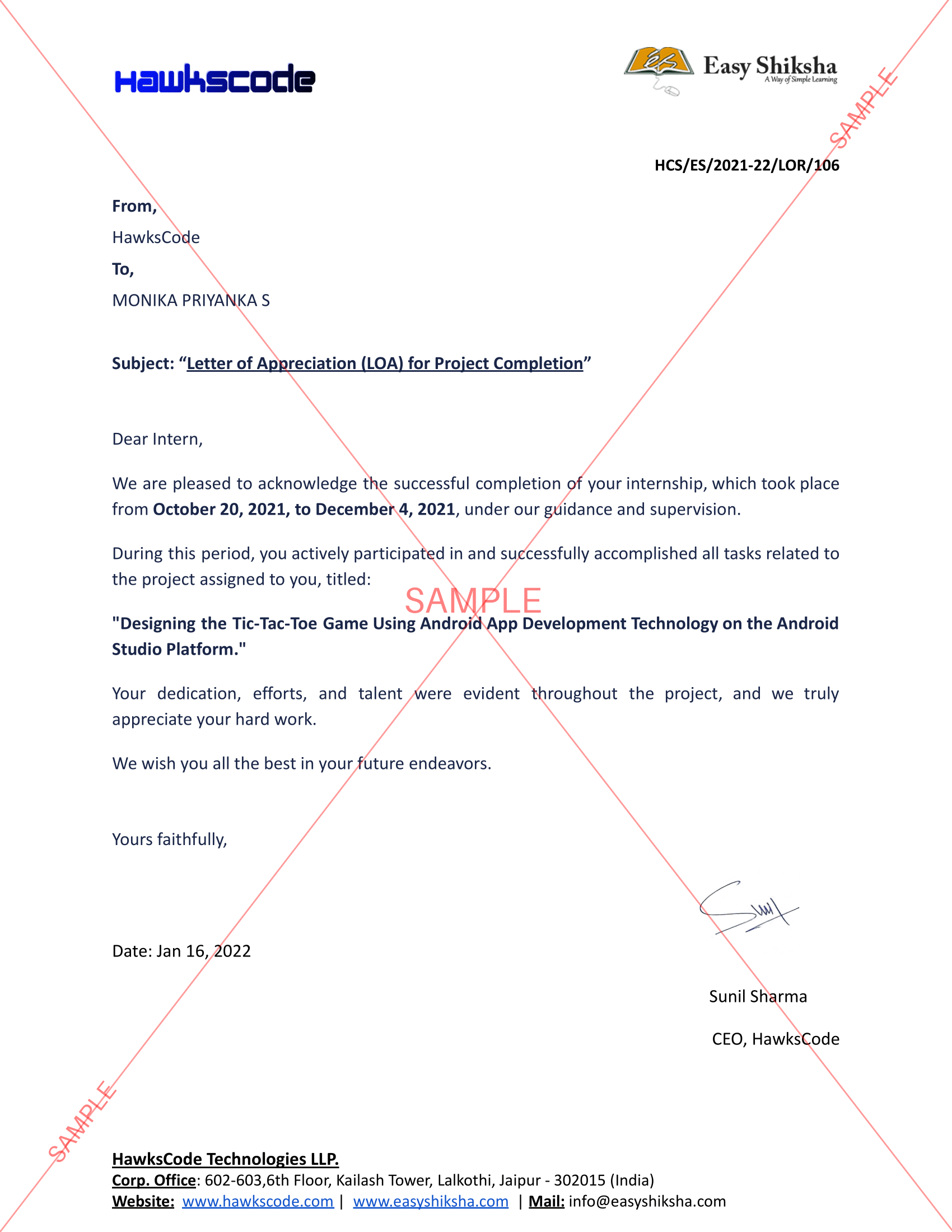
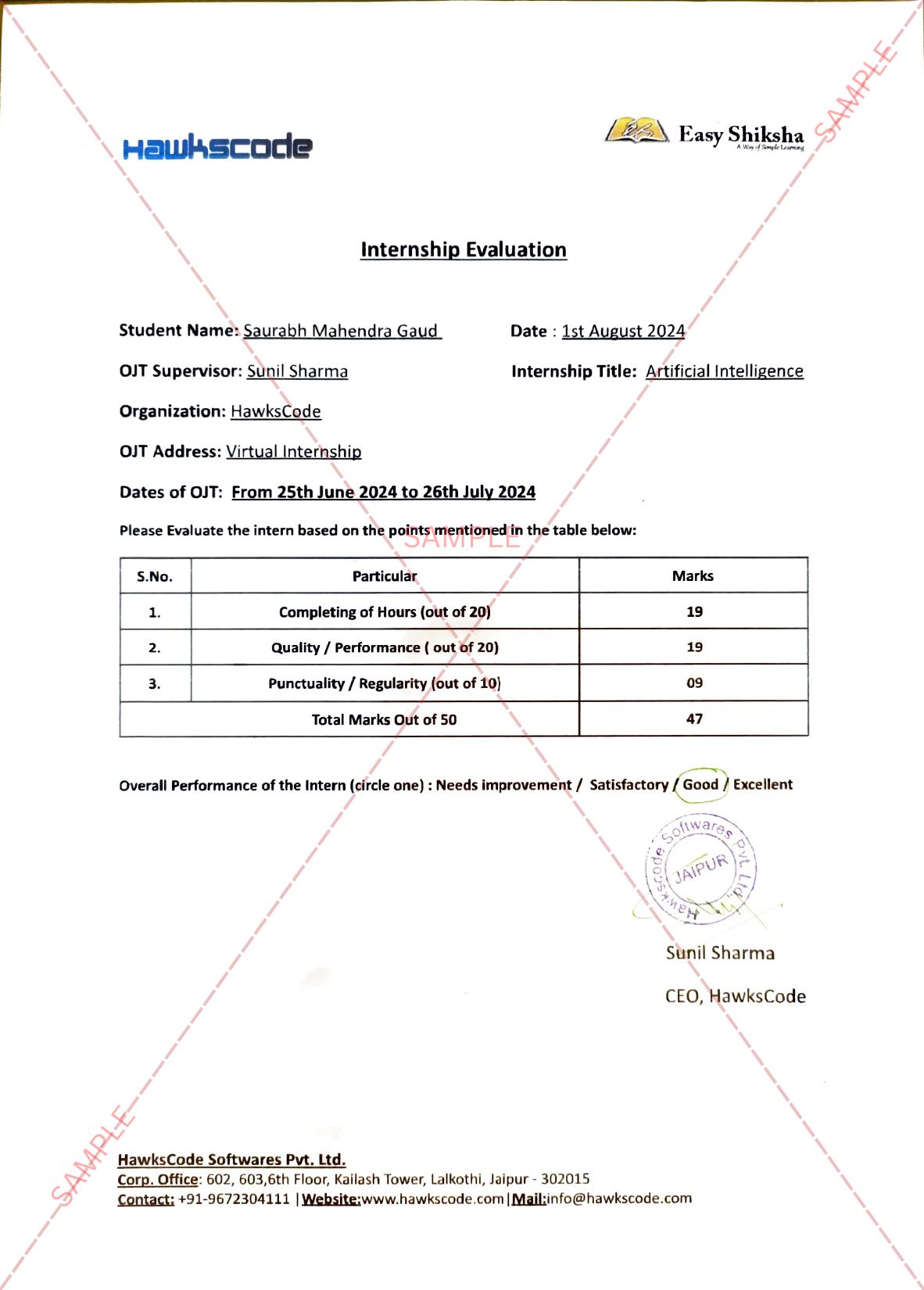





































In the modern world, education is evolving rapidly. Traditional classroom learning alone is no longer sufficient to prepare students for the demands of the professional world. Employers today expect graduates not only to possess theoretical knowledge but also to demonstrate practical skills and real-world experience. As a result, a new educational approach has emerged that combines learning, practical application, and internship experience. This approach can be summarized as the formula: Learn + Practice + Intern.
This new education formula emphasizes a balanced development process where students first acquire knowledge, then apply that knowledge through practice, and finally gain professional exposure through internships. Together, these three elements help students develop the competence, confidence, and experience needed to succeed in competitive industries.
This article explores the significance of this modern education formula, how each component contributes to professional readiness, and why it has become essential for students preparing for future careers.
The Changing Landscape of Education
Over the past few decades, the global job market has undergone significant transformation. Technological advancements, globalization, and the rise of digital industries have reshaped the skills required in the workplace.
In the past, education systems primarily focused on theoretical instruction delivered through lectures, textbooks, and examinations. While this method helped students gain foundational knowledge, it often lacked opportunities for practical application.
Today, employers are looking for individuals who can:
- Apply knowledge to real-world situations
- Adapt quickly to new technologies and environments
- Work effectively in teams
- Solve practical problems independently
- Contribute productively from the beginning of their employment
These expectations have encouraged educational institutions to adopt more experiential learning models that integrate learning with practical experience.
Also Read: From Beginner to Professional: The Power of Consistent Skill Development
Understanding the Formula: Learn + Practice + Intern
The modern education formula consists of three interconnected components:
- Learning – Acquiring theoretical knowledge and understanding concepts.
- Practice – Applying knowledge through exercises, projects, and skill-building activities.
- Internship – Gaining real-world experience in a professional environment.
Each component supports the others, creating a comprehensive learning journey that prepares students for professional success.
The First Step: Learning
Learning is the foundation of education. It provides the theoretical understanding and conceptual knowledge necessary for developing expertise in any field.
Through structured learning, students gain:
- Knowledge of principles and theories
- Understanding of industry practices
- Awareness of professional standards
- Analytical and critical thinking abilities
Learning typically occurs through various academic activities such as lectures, discussions, research assignments, and independent study.
Key Benefits of Learning
The learning stage offers several advantages for students:
- Establishes a strong knowledge base
- Encourages intellectual curiosity
- Develops analytical and problem-solving abilities
- Introduces students to industry concepts and frameworks
However, theoretical learning alone cannot fully prepare students for professional challenges. Knowledge must be reinforced through practice.
The Second Step: Practice
Practice transforms theoretical knowledge into practical skills. When students actively apply what they have learned, they gain deeper understanding and improve their abilities.
Practice can take many forms, including:
- Laboratory experiments
- Practical assignments
- Case studies and simulations
- Project-based learning
- Skill-building exercises
These activities allow students to experiment, make mistakes, and refine their abilities in a supportive learning environment.
Importance of Practice
Practice plays a crucial role in skill development for several reasons:
- Reinforces theoretical knowledge
- Improves technical competence
- Builds confidence and independence
- Encourages creativity and problem-solving
For example, a student studying programming must write code regularly to become proficient, while a marketing student may practice designing campaigns or analyzing consumer data.
Developing Real-World Skills
Through consistent practice, students develop essential professional skills such as:
- Communication and presentation abilities
- Time management and organization
- Collaboration and teamwork
- Technical and digital competencies
- Strategic thinking and decision-making
These skills are highly valued by employers and contribute significantly to career readiness.
The Third Step: Internships
Internships represent the final stage of the education formula. They provide students with the opportunity to apply their knowledge and skills in a real professional environment.
During internships, students work with organizations, businesses, or institutions to gain practical experience in their chosen field.
Benefits of Internships
Internships offer numerous advantages for students, including:
- Exposure to real workplace environments
- Opportunity to apply academic knowledge in practical situations
- Development of professional networks
- Understanding of workplace culture and expectations
- Improved employability after graduation
Internships bridge the gap between academic education and professional careers.
Learning from Real-World Experience
One of the most valuable aspects of internships is the opportunity to learn from real-world experiences.
Interns often gain insights into:
- Organizational structures and workflows
- Industry standards and professional practices
- Communication within professional teams
- Problem-solving in dynamic environments
- Managing deadlines and responsibilities
These experiences help students transition smoothly from academic life to professional careers.
The Role of Internships in Career Development
Internships play a critical role in shaping career paths. Many students discover their professional interests and strengths during internship experiences.
Internships help students:
- Explore different career options
- Identify areas of specialization
- Develop professional confidence
- Gain references and recommendations
- Improve their resumes and portfolios
Employers often prefer candidates who have internship experience because it demonstrates practical exposure and workplace readiness.
Integrating Learning, Practice, and Internships
The effectiveness of the modern education formula lies in the integration of its three components. When learning, practice, and internships are combined, they create a powerful framework for professional development.
How the Three Elements Work Together
- Learning provides the knowledge foundation.
- Practice develops skills through application.
- Internships offer real-world experience and professional exposure.
Together, they ensure that students graduate with both knowledge and competence.
The Role of Educational Institutions
Educational institutions play a crucial role in implementing this new education formula. Many universities and training programs now incorporate experiential learning opportunities into their curricula.
Examples include:
- Internship requirements for graduation
- Industry collaborations and partnerships
- Project-based coursework
- Practical training workshops
- Career development programs
These initiatives help students gain both academic knowledge and professional experience.
Benefits of the Learn + Practice + Intern Model
The modern education formula offers numerous advantages for students, employers, and educational institutions.
Benefits for Students
Students benefit in several ways:
- Stronger understanding of academic concepts
- Development of practical skills
- Increased confidence and independence
- Improved employment opportunities
- Better preparation for professional responsibilities
Benefits for Employers
Employers also benefit from this education model:
- Access to skilled and experienced graduates
- Reduced training requirements for new employees
- Increased productivity and efficiency
- Opportunity to evaluate potential employees during internships
Benefits for Educational Institutions
Educational institutions that adopt experiential learning models gain several advantages:
- Improved graduate employability rates
- Stronger partnerships with industries
- Enhanced reputation and credibility
- More engaging and effective learning experiences for students
Skills Developed Through the New Education Formula
The Learn + Practice + Intern model helps students develop a wide range of essential professional skills.
Technical Skills
These include field-specific abilities such as:
- Programming and software development
- Data analysis and research methods
- Engineering design and problem-solving
- Financial analysis and accounting
Soft Skills
Soft skills are equally important in professional environments.
Students develop:
- Communication and presentation skills
- Leadership and teamwork abilities
- Critical thinking and decision-making
- Time management and organizational skills
- Adaptability and resilience
These skills contribute to long-term career success.
Preparing Students for the Future Workforce
The modern workforce requires professionals who are adaptable, technologically proficient, and capable of continuous learning. The Learn + Practice + Intern formula prepares students to meet these expectations.
Future-ready students demonstrate:
- Strong academic knowledge
- Practical problem-solving abilities
- Professional communication skills
- Real-world work experience
- Commitment to continuous learning
These qualities enable them to succeed in dynamic and competitive industries.
The Role of Technology in Modern Education
Technology has significantly enhanced the effectiveness of the Learn + Practice + Intern model.
Digital tools and platforms provide students with access to:
- Online courses and training programs
- Virtual internships and remote work opportunities
- Digital collaboration tools
- Interactive simulations and practical exercises
Technology enables flexible and accessible learning experiences that support skill development.
Challenges and Opportunities
While the Learn + Practice + Intern model offers many benefits, it also presents certain challenges.
Common Challenges
Some challenges include:
- Limited availability of internship opportunities
- Balancing academic and practical responsibilities
- Ensuring quality supervision during internships
- Aligning academic curricula with industry needs
Despite these challenges, educational institutions and organizations are increasingly collaborating to create better opportunities for students.
Conclusion
The modern education landscape is evolving to meet the demands of a dynamic and competitive workforce. The traditional model of education focused primarily on theoretical knowledge is gradually being replaced by a more comprehensive approach.
The formula Learn + Practice + Intern represents a powerful strategy for preparing students for successful careers. By combining academic learning with practical application and real-world experience, this model equips students with the knowledge, skills, and confidence needed to thrive in professional environments.
Students who embrace this approach gain a significant advantage in the job market. They graduate not only with degrees but also with valuable skills and experiences that enable them to contribute effectively from the very beginning of their careers.
In the future, education systems that integrate learning, practice, and internships will continue to play a crucial role in shaping skilled, adaptable, and innovative professionals capable of driving progress in a rapidly changing world.
Get Some Courses: QuickBooks for freelancers and self-employed , Influence Without Authority