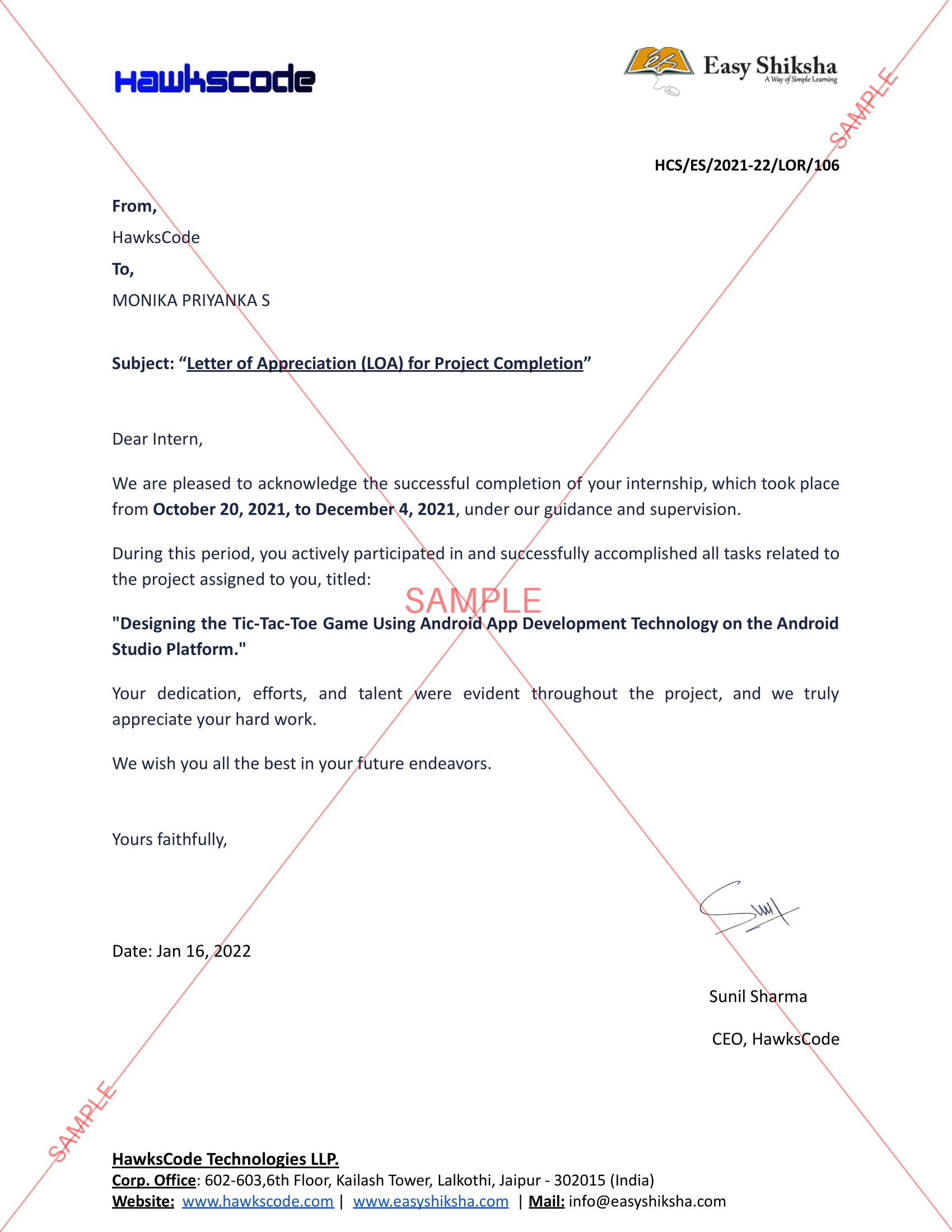
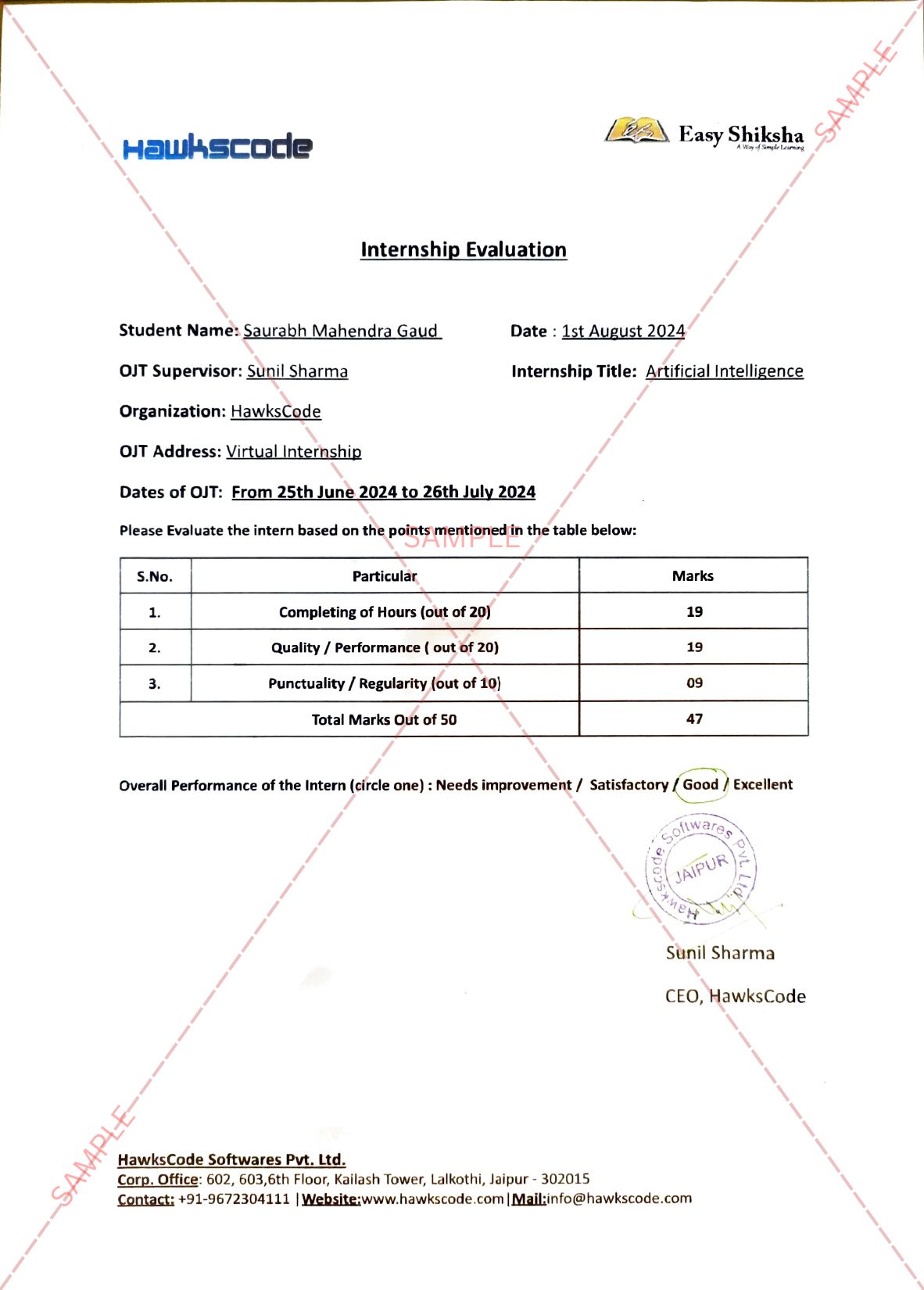
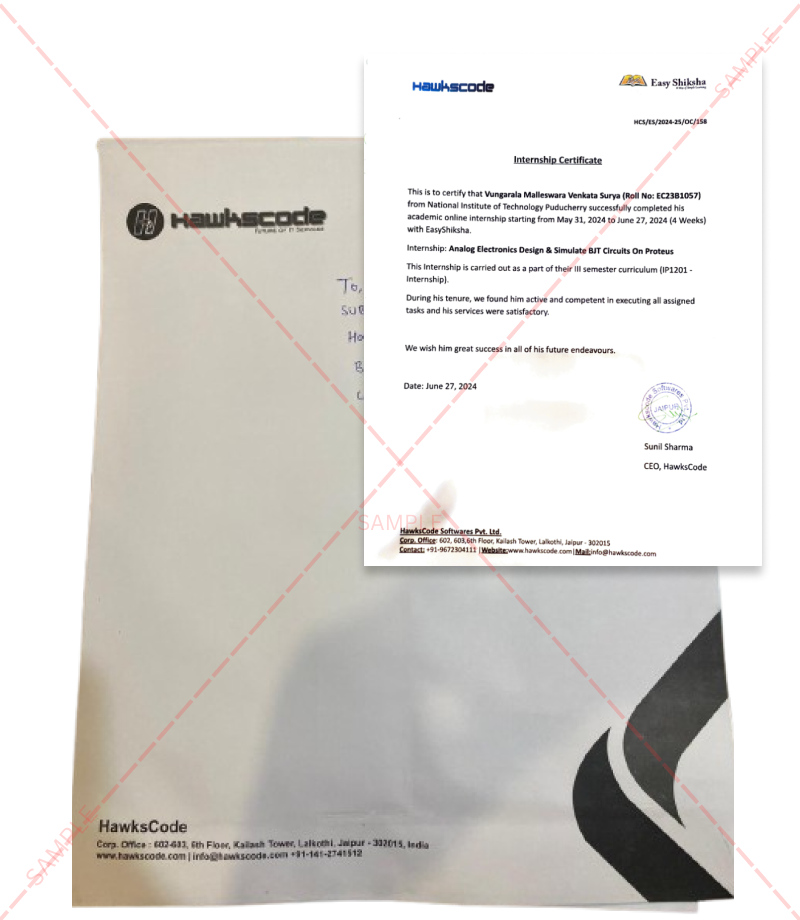






















One of the biggest challenges facing students and fresh graduates is the difficulty of proving their abilities before they receive their first job. Employers often expect candidates to demonstrate practical skills, familiarity with professional tools, problem-solving ability and an understanding of workplace responsibilities. Yet many entry-level applicants have limited opportunities to acquire formal work experience. They may have completed university programmes, attended online courses, passed assessments and earned certificates, but they still struggle to demonstrate how their knowledge translates into meaningful professional work.
This creates a difficult cycle. Employers prefer candidates who can show evidence of practical ability, while candidates need professional opportunities to develop that evidence. Students may understand the fundamentals of web development without having built a complete application, or they may study digital marketing without having prepared a campaign supported by performance analysis. Their knowledge may be genuine, but the available evidence does not always communicate its practical value.
The Pre-Employment Evidence Layer offers a framework for addressing this problem. It is a structured system through which learners create, organise, verify and present evidence of their capabilities before entering formal employment. Rather than relying exclusively on degrees, course completion certificates or self-reported skills, the system connects learning activities with tangible work samples that demonstrate what a student can actually do.
For EasyShiksha, which connects online courses, quizzes, internships, certificates, university programmes, career guidance and job-oriented learning, the Pre-Employment Evidence Layer could provide a bridge between education and recruitment. Students could begin building a professional evidence record while learning, rather than waiting until graduation to discover that their qualifications alone may not adequately communicate their capabilities.
Understanding the Pre-Employment Evidence Layer
The Pre-Employment Evidence Layer is a structured framework that sits between learning and employment. Its purpose is to capture evidence of professional capability generated through educational projects, practical assignments, simulations, internships and other relevant activities.
The term layer is important because the framework does not replace existing educational services. Courses still provide knowledge, quizzes still assess understanding, and certificates still recognise learning achievements. The evidence layer connects these activities with practical outcomes that can help learners explain their capabilities to potential employers.
Consider a student who completes a frontend development course. The course may introduce HTML, CSS, JavaScript and responsive design. A certificate can document successful completion, but an employer may also want to understand whether the student can implement a working interface, handle form validation, resolve browser errors and test a website across different screen sizes.
The student could therefore complete a practical project based on a clearly defined brief. The resulting evidence package might include the functioning website, source code, a description of the requirements, testing results and a record of the student’s contribution. A reviewer could then evaluate the work against specified criteria.
This creates a more complete representation of learning. The course records what the student studied, the assessment indicates what the student understood, and the work sample provides evidence of how that knowledge was applied.
A Pre-Employment Evidence Layer would organise these different forms of information into a coherent record. It would help learners present their strongest relevant work while enabling reviewers to understand what each sample demonstrates and what it does not establish.
Why Degrees and Certificates Cannot Always Demonstrate Practical Readiness
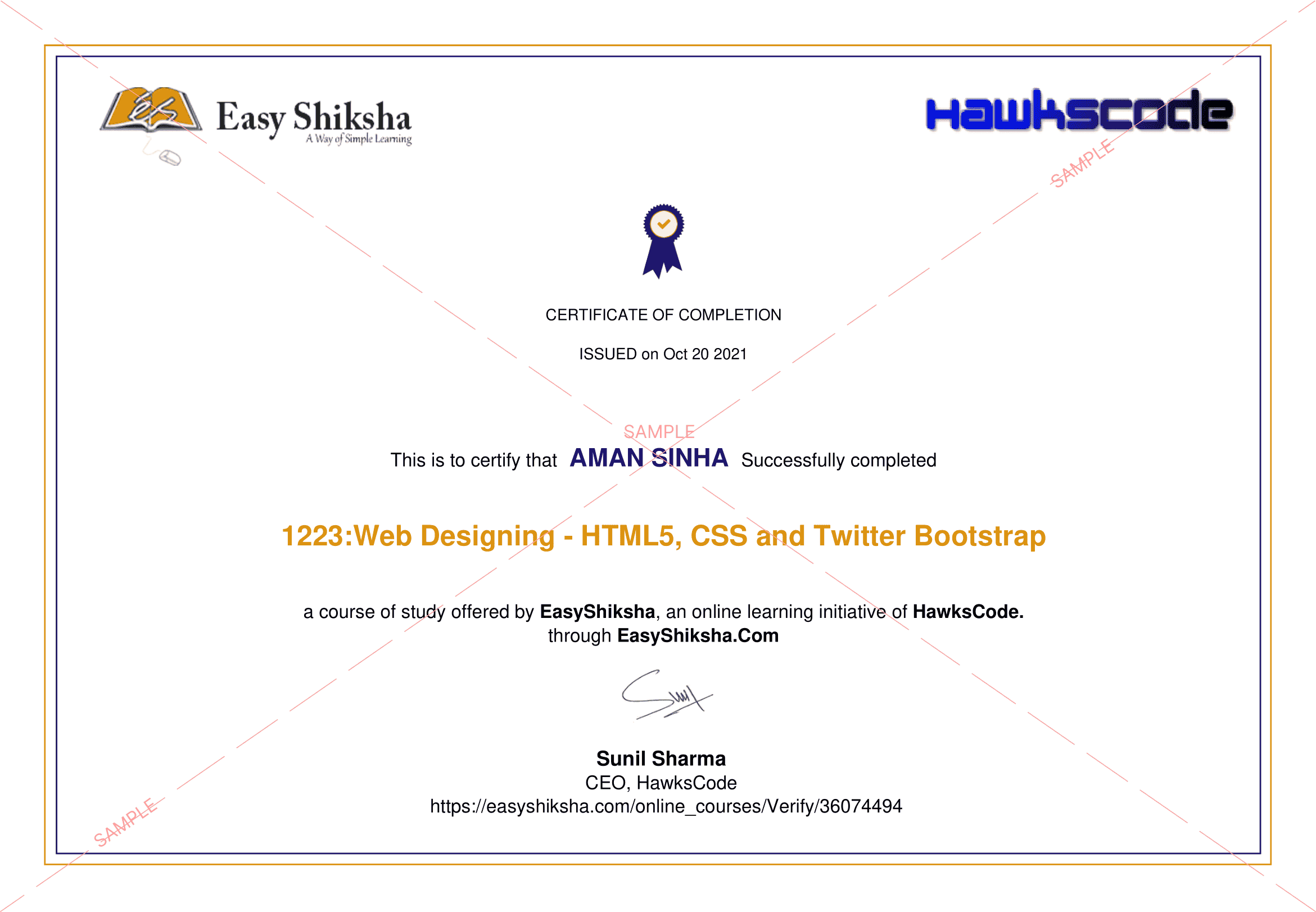
Degrees and certificates remain important because they communicate educational attainment, subject knowledge and the completion of structured learning programmes. However, they do not necessarily reveal how independently a learner can perform a specific professional task.
Two students may complete the same course and receive identical certificates while having very different levels of practical ability. One may have independently built several projects, tested different solutions and learned how to troubleshoot errors. The other may understand the concepts but have limited experience applying them without step-by-step guidance.
The difference is not always visible in a conventional credential. Employers must often infer practical capability from interviews, resumes, coding tests, assignments or previous experience.
The Pre-Employment Evidence Layer addresses this information gap by connecting educational achievements with observable work. It does not imply that academic qualifications are inadequate or that practical projects should replace formal education. Instead, it recognises that different forms of evidence answer different questions.
A degree may demonstrate completion of a formal programme. A certificate may establish that a learner completed a particular course. A quiz result may indicate understanding of selected concepts. A practical work sample can show how the learner approached a defined task and whether the submitted result met relevant standards.
When these forms of evidence are presented together, they provide a more informative view of a candidate’s preparation. The goal is not to produce a single universal score of employability, but to make the relationship between education and demonstrated capability clearer.
From Learning Activities to Verifiable Work Samples
A work sample becomes useful when it demonstrates a meaningful capability under identifiable conditions. Simply uploading a file or displaying a project screenshot does not necessarily establish what the learner contributed, how the work was produced or whether the result satisfies professional expectations.
The process should therefore begin with a defined task. The task establishes the problem, the expected deliverable, the relevant constraints and the criteria for evaluating success. It gives the learner a clear objective and provides a basis for reviewing the result.
For example, a digital marketing student might receive a simulated brief requiring the development of a campaign for a fictional business. The student would need to identify the target audience, select suitable communication channels, prepare campaign content and explain how performance would be measured. The work sample could include the strategy, sample creative materials, a proposed budget and an explanation of the decisions behind the campaign.
The evidence package would then include the submitted work and its assessment context. It could identify the competencies being demonstrated, the requirements against which the work was evaluated and the feedback received during review.
The resulting record would be more informative than a statement such as “completed digital marketing training.” It would show the type of work the student attempted and provide reviewers with something concrete to inspect.
For EasyShiksha, practical assignments linked to online courses could become a starting point for this process. Students would be encouraged to create meaningful outputs as part of their learning rather than treating projects as optional activities unrelated to their course achievements.
Designing Evidence Around Actual Job Requirements
Not every work sample is equally useful for every job. A project may be technically impressive but irrelevant to the responsibilities of the role for which a student is applying. The evidence layer should therefore organise work around professional tasks and competencies.
A student seeking a frontend development role would benefit from evidence of interface implementation, responsive design, JavaScript functionality, debugging and testing. A candidate applying for a data analyst position might need to demonstrate data cleaning, exploratory analysis, visualisation, interpretation and communication of findings. A digital marketing applicant could present evidence of audience research, campaign planning, content development and performance analysis.
This requires a connection between job requirements and the competencies demonstrated by each sample. The system should identify what the employer expects and help the learner select work that provides relevant evidence.
A practical evidence record could describe the professional task, the competency being assessed, the work submitted and the evaluation standard. If a project demonstrates only basic implementation, it should not be presented as proof of advanced system design. If the student used extensive guidance, that context should remain clear.
For EasyShiksha, career guidance could potentially connect students with role-specific evidence expectations. Instead of simply recommending courses for a target profession, the platform could help learners understand which practical work samples would make their preparation more visible.
This would also help students avoid the common mistake of accumulating many unrelated certificates without producing evidence that directly supports their career goals.
Establishing Authenticity and Verifying Student Contributions
One of the most important challenges in pre-employment evidence is authenticity. A polished project may appear impressive, but reviewers need to know whether the candidate created it, substantially contributed to it or merely submitted work produced by someone else.
Verification does not require intrusive surveillance. It requires a proportionate combination of evidence about the work, its development and the learner’s understanding of the final result.
A student could submit the original files alongside a short explanation of the task, the decisions made and the challenges encountered. Where appropriate, the platform could preserve milestone submissions or revision history to show how the project developed. A reviewer could ask the student to explain a technical choice, reproduce a small part of the work or make a controlled change to confirm understanding.
For collaborative projects, the evidence record should distinguish individual contributions from the collective output. A team project may demonstrate coordination and collaboration, but it should not automatically imply that every member independently performed every task.
The important question is whether the learner can explain, evaluate and take appropriate responsibility for the submitted work.
For EasyShiksha, authenticity checks could be designed according to the importance of the skill and the consequences of the claim. A basic practice assignment may require limited verification, while a work sample used to support a high-stakes competency claim may require independent review or an additional practical demonstration.
Creating a Structured Evidence Record
A collection of unrelated project files can be difficult to interpret. The Pre-Employment Evidence Layer should organise each work sample into a consistent record that explains what the student did, what capability was assessed and how the result was evaluated.
The record could contain the task description, the expected outcome, the submitted deliverable, the relevant competencies and the assessment criteria. It could also document the tools used, the degree of guidance provided, the student’s contribution and any limitations that affect interpretation.
For instance, a website project might be accompanied by its source code, a live demonstration, a description of the requirements, a responsive testing report and a short explanation of important implementation decisions.
The purpose is not to create unnecessary documentation for every small learning activity. The amount of information should correspond to the significance of the evidence. A short introductory exercise may need only a brief task description and feedback, whereas a substantial project intended for recruitment may justify more detailed documentation.
A consistent structure also helps learners compare their work over time. They may discover that earlier projects demonstrate basic execution, while later work shows stronger planning, testing, independent decision-making and communication.
EasyShiksha could potentially use these records to build a student evidence profile that evolves throughout a learner’s educational journey. Instead of creating a professional portfolio from scratch after graduation, students could gradually assemble and refine evidence as they complete relevant learning activities.
Moving Beyond Screenshots Toward Inspectable Deliverables
Many student portfolios rely heavily on screenshots, short descriptions and visual demonstrations. These materials can communicate the appearance of a project, but they may not reveal how it works, whether it satisfies its requirements or how the learner approached the problem.
The Pre-Employment Evidence Layer should encourage inspectable deliverables wherever appropriate. For software development, this may include source code, a working demonstration, testing evidence and documentation. For data analysis, it could include the dataset or a privacy-safe sample, the analytical process, visualisations and a report explaining the conclusions.
The appropriate evidence depends on the profession. A finance assignment may include a spreadsheet model, validation checks and an interpretation of the results.
Inspectable work makes it easier for reviewers to assess the quality of the result rather than relying entirely on the learner’s description. It can also help students prepare for interviews because they have concrete examples they can discuss in detail.
However, not every deliverable should be publicly accessible. Source files may contain personal information, proprietary material or security-sensitive details.
Integrating Courses, Quizzes and Projects Into One Evidence Pipeline
A Pre-Employment Evidence Layer becomes more effective when it is integrated with the learning process rather than added as a separate portfolio activity at the end.
Online courses can introduce the concepts required for a professional task. Quizzes can check foundational understanding and identify knowledge gaps. Guided exercises can help learners practise individual techniques, while larger projects can test whether they can combine those techniques to produce a complete result.
Consider a student learning data analytics through EasyShiksha. The student could begin with courses covering spreadsheets, data interpretation and visualisation. Quizzes would help establish whether the learner understands basic analytical concepts. A practical assignment could then require the student to clean a dataset, identify a trend, create appropriate charts and prepare a report for a fictional business stakeholder.
If the student makes errors in interpreting the data, the platform could recommend targeted learning and allow another attempt. Once the work meets the defined criteria, the final deliverable and its assessment record could become part of the student’s evidence profile.
This creates a continuous pipeline from knowledge acquisition to practical demonstration. Each stage contributes a different kind of information, and the final record preserves the relationship between them.
For EasyShiksha, the approach could make learning outcomes more visible without requiring every course to become a large professional project. Small assessments can establish foundational understanding, while selected practical assignments can generate deeper evidence of capability.
Using Synthetic Workplaces to Generate Professional Evidence
A synthetic workplace provides a particularly useful environment for creating pre-employment evidence because it reproduces elements of professional work without requiring students to enter an actual organisation.
Within a simulated workplace, learners can receive project briefs, interact with fictional stakeholders, work within deadlines, manage changing requirements and deliver outcomes against defined standards. The resulting work can become evidence of how they perform under controlled professional conditions.
For example, a student preparing for a customer support role could work through simulated customer cases involving product questions, unclear requests or service problems. The learner would need to gather information, interpret the relevant policy, communicate a response and determine whether the issue had been resolved. The evidence record could preserve the scenario, the response and the criteria used to assess the result.
A student preparing for frontend development could receive a simulated client request to improve a website feature. The work might involve reviewing the requirements, implementing the change, testing the result and explaining the trade-offs. A reviewer could assess the deliverable and verify that the student understands the solution.
These simulations should be labelled accurately. They demonstrate performance in a controlled environment, not experience working for a real client or employer. Their value lies in showing preparation and practical capability before the student has formal employment experience.
EasyShiksha could connect synthetic workplace assignments with courses, quizzes and career guidance so that students build relevant work samples while progressing through their learning pathways.
Connecting Evidence With Internships and Real Workplace Experience
Pre-employment evidence is especially valuable when it prepares learners for internships. Students can use practical work samples to demonstrate their interests and preparation, while internship experiences provide opportunities to apply those skills within real organisations.
Before an internship, a learner could complete assignments that reflect the type of work expected in the placement. A student interested in digital marketing might prepare a campaign plan, while a frontend development applicant could demonstrate a working project and explain its implementation. This evidence could help the student identify remaining gaps and approach the internship with a clearer understanding of relevant responsibilities.
During the internship, the learner may generate additional evidence through authorised project deliverables, supervisor feedback or documented learning outcomes.
After the internship, the student could compare the simulated tasks with the responsibilities encountered in the real workplace. This comparison may reveal differences in complexity, communication, quality expectations or the use of professional tools. Those differences can guide further learning.
For EasyShiksha, the evidence layer could connect pre-internship preparation with internship opportunities and post-internship development. Students would not need to treat practical work as a single event. Instead, evidence could accumulate across learning, simulation and authentic workplace exposure.
This creates a more meaningful progression from preparation to experience, while preserving the distinction between what a learner practised and what they actually performed in a professional setting.
Making Evidence Useful for Employers and Recruiters
A work sample is valuable only when the person reviewing it can understand what it demonstrates. Employers often have limited time to evaluate applications, so a large portfolio filled with unrelated projects may be less useful than a smaller collection of relevant, clearly documented evidence.
The Pre-Employment Evidence Layer could help students select work samples according to the requirements of a target role. Each sample would explain the task, the learner’s contribution, the outcome and the competencies assessed.
For example, a candidate applying for a junior frontend role could present a responsive website project that demonstrates interface implementation, accessibility considerations, form validation and testing. The evidence record could identify the technologies used and link to relevant deliverables. The candidate could then explain specific design and technical decisions during an interview.
Such evidence would not guarantee employment. Recruiters must still consider communication, role fit, collaboration, learning potential and other relevant factors. A project also cannot establish every dimension of performance in an actual workplace.
Nevertheless, verifiable work samples can make initial screening more informative. They give candidates an opportunity to demonstrate relevant abilities even when they have limited formal work history.
EasyShiksha could potentially support this process through shareable evidence profiles or role-specific portfolios. Students could select which records to share with employers, while recruiters could review the relevant context rather than relying only on self-reported skill lists.
Creating Trustworthy Evidence Without Overstating Competence
A responsible evidence system must distinguish between a demonstrated result and a broader claim about the learner’s ability. A student who successfully completes one introductory project has demonstrated performance on that task, but the result does not automatically establish mastery across every related professional situation.
Competence becomes more credible when it is supported by multiple relevant examples, consistent performance and assessments under different conditions. A learner who has built several interfaces with different requirements provides broader evidence of frontend capability than someone who has completed a single guided exercise. Verification may establish the source or integrity of a file, while assessment determines whether the work meets defined criteria. These are related but different functions.
A digital signature or tamper-evident record may help confirm that a particular assessment result has not been altered, but it cannot prove that the assessment itself was valid or that the learner is competent in every context. Trust depends on both the integrity of the record and the quality of the evaluation behind it.
For EasyShiksha, evidence labels should therefore explain what was reviewed, by whom or by what process, and against which criteria. Claims should remain proportionate to the evidence available.
This transparency protects learners and employers alike. It helps students present genuine achievements confidently while reducing the risk of misleading or exaggerated competency claims.
Artificial Intelligence and the Future of Evidence Verification
Artificial intelligence could make the Pre-Employment Evidence Layer more efficient by assisting with work-sample classification, assessment support, feedback generation and the identification of missing evidence.
For example, AI could examine a project brief and suggest which competencies should be evaluated. It could help reviewers identify whether a submitted report addresses the required questions, whether a code submission appears to omit important functionality or whether a portfolio lacks evidence relevant to a target role.
AI could also help students improve their work by explaining assessment feedback, identifying possible errors and recommending additional practice. This would make the evidence layer useful not only for proving capabilities but also for developing them.
However, automated evaluation must be designed carefully. A system that rewards polished language may disadvantage learners who communicate less fluently even when their technical work is strong. An AI code reviewer may miss a context-specific issue, while an automated portfolio evaluator may overvalue visual presentation and undervalue reasoning.
Human review remains important for complex or consequential decisions. AI-generated feedback should be checked against explicit criteria, and students should have a reasonable way to challenge an assessment that appears inaccurate.
This does not mean penalising the use of AI automatically. It means providing enough context for reviewers to understand what the learner contributed and what the evidence actually demonstrates.
Used responsibly, AI could help make pre-employment evidence more accessible and scalable without replacing human judgement.
Privacy, Ownership and Control of Student Evidence
A student’s evidence profile may contain source code, project documents, assessment records, written explanations and information about learning progress. Students should therefore retain meaningful control over their evidence. Sharing a work sample with one recruiter should not automatically make it visible to every employer or platform user.
The evidence layer should also support selective disclosure. A learner might choose to share a project summary and verified assessment result without exposing private feedback or every revision made during development. In some cases, a public demonstration may be appropriate, while the underlying source files remain accessible only to authorised reviewers.
Students must not publish confidential employer information or claim ownership of work that belongs to another organisation. Clear guidance should help learners distinguish personal projects, educational assignments, team contributions and employer-owned deliverables.
For EasyShiksha, privacy and access controls would be fundamental to a trustworthy evidence ecosystem. The goal should be to help students demonstrate their capabilities, not to create a permanent, uncontrolled record of every learning activity.
Measuring the Impact of a Pre-Employment Evidence Layer
The success of the Pre-Employment Evidence Layer should be evaluated through its effect on learning quality and the usefulness of student evidence. The number of projects uploaded or profiles created would provide limited information unless the work is relevant, authentic and appropriately assessed.
A stronger evaluation would examine whether students produce more complete and relevant work samples, whether the samples accurately demonstrate the intended competencies and whether learners become better at explaining their work. It could also examine whether students use feedback to improve their deliverables and whether their evidence becomes more relevant to their target roles over time.
Employer feedback could provide additional insight. Recruiters and hiring managers could assess whether the records make it easier to understand a candidate’s contribution, technical ability and level of preparation.
Where appropriate, educational providers could examine whether students who build structured evidence profiles experience improvements in internship selection, interview discussions or other early-career outcomes.
For EasyShiksha, pilot programmes could begin with a small number of career pathways. The platform could compare learner work before and after introducing structured evidence records, gather feedback from students and reviewers, and refine the framework according to observed results.
The ultimate measure of success would be whether students can demonstrate their abilities more clearly and whether reviewers can make better-informed judgements from the available evidence.
Conclusion: Proving Capability Before the First Job
The Pre-Employment Evidence Layer addresses a fundamental problem in early-career recruitment: students are often expected to demonstrate professional ability before they have had the opportunity to acquire formal employment experience. Degrees, courses and certificates remain valuable, but their meaning becomes clearer when connected with tangible evidence of practical work.
By organising projects, simulations, assessments and internship outcomes into structured records, an evidence layer can help learners show what they have accomplished, how their work was evaluated and which competencies it demonstrates. It can also make learning more purposeful by encouraging students to create meaningful outputs rather than focusing exclusively on course completion.
For EasyShiksha, this concept could connect online courses, quizzes, practical assignments, synthetic workplaces, internships, certificates and career guidance within a continuous pathway. Students could begin building their evidence profiles while learning, receive feedback on their work, address skill gaps and gradually develop a portfolio aligned with their professional goals.
The framework must remain transparent about authenticity, assessment conditions, AI assistance, privacy and the limits of individual work samples. A verified project is not the same as a year of professional experience, and no portfolio can guarantee employment. Its purpose is to make genuine capability easier to inspect and understand.
Ultimately, the first job should not be the first moment a student attempts to prove practical ability. With a well-designed Pre-Employment Evidence Layer, students can build relevant evidence before employment begins, making the transition from education to work more informed, credible and achievable.
Get Some Courses: Mastering Influence: Decision-Making, Communication & Leadership Skills , Mastering Software Automation Testing for Quality, Risk & Reliability