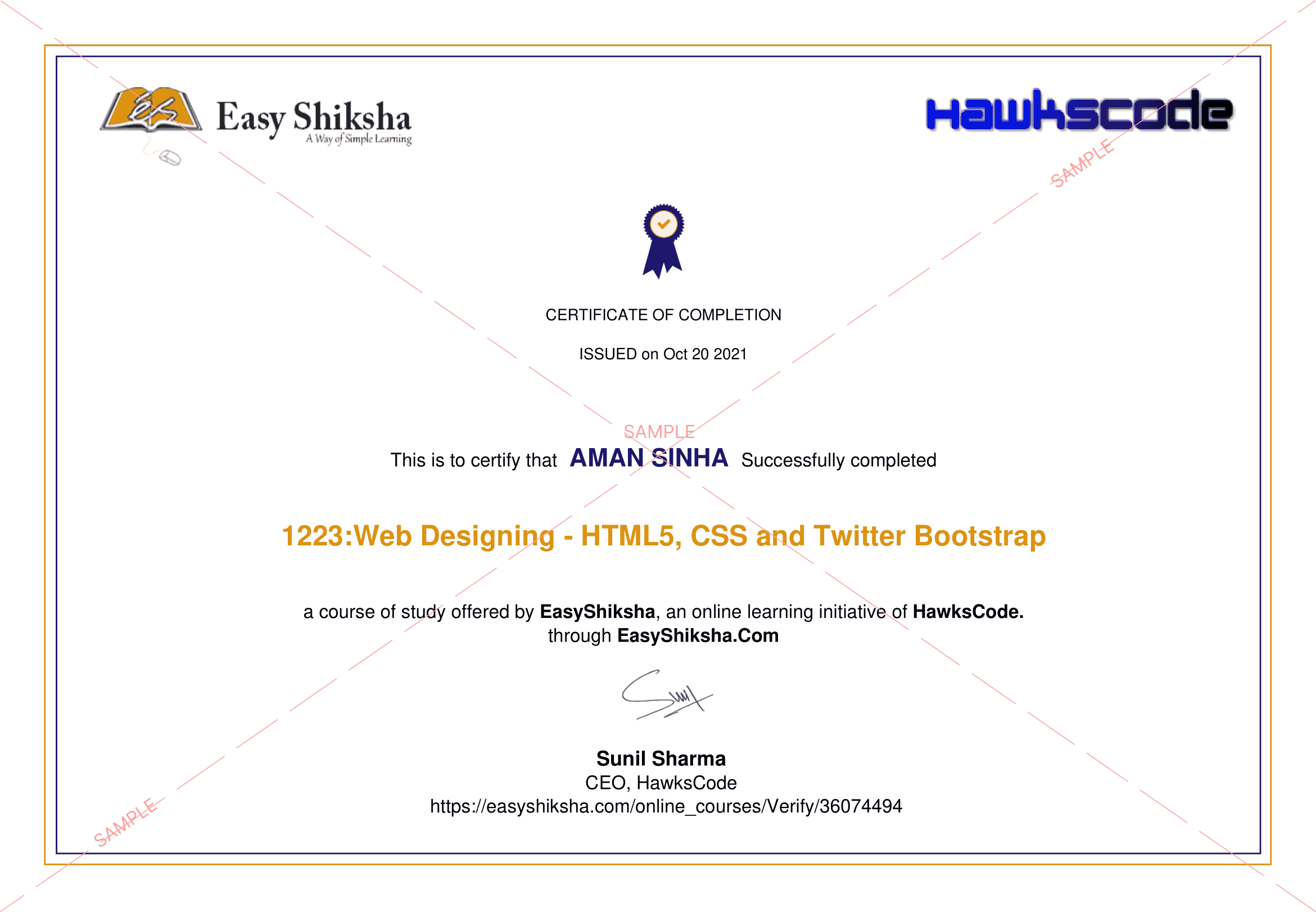
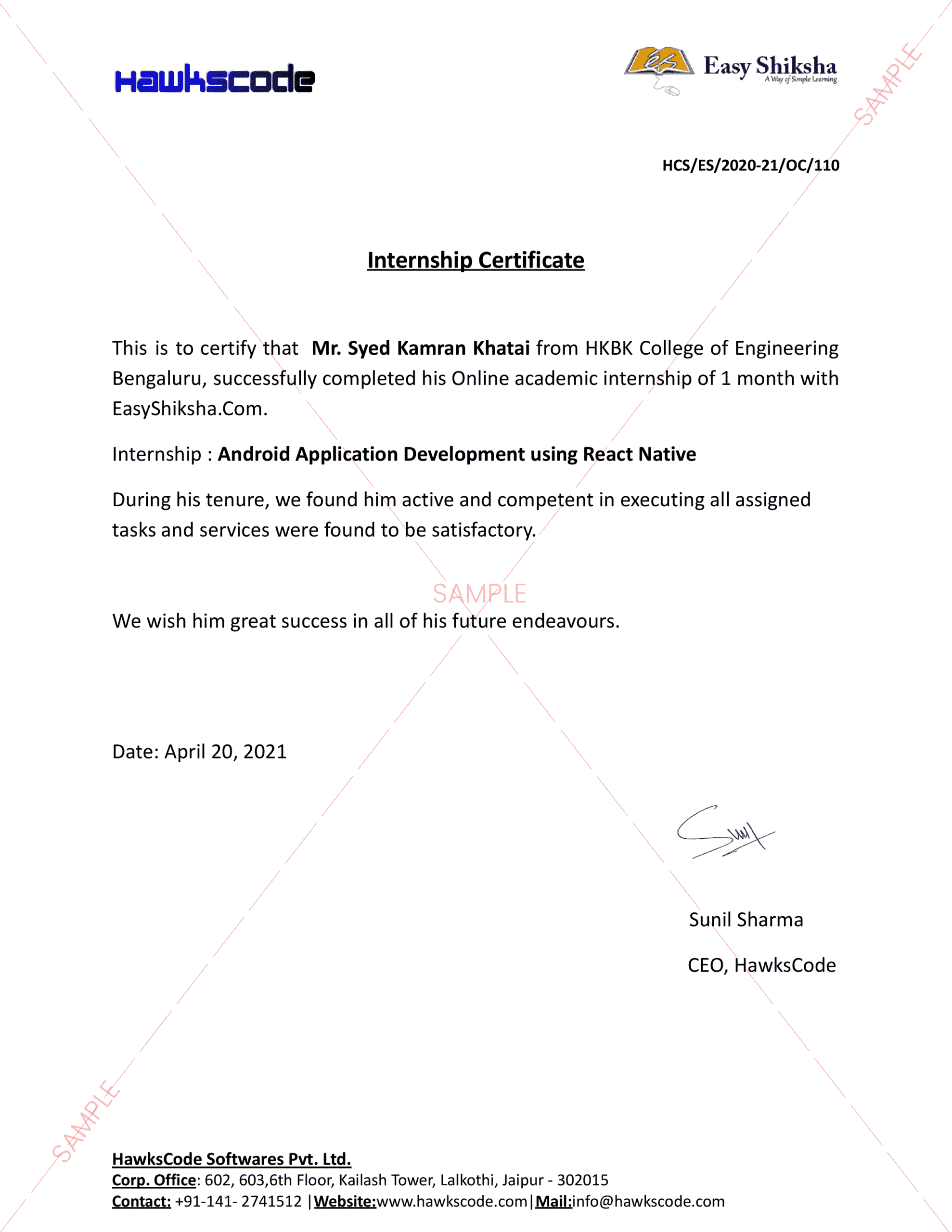
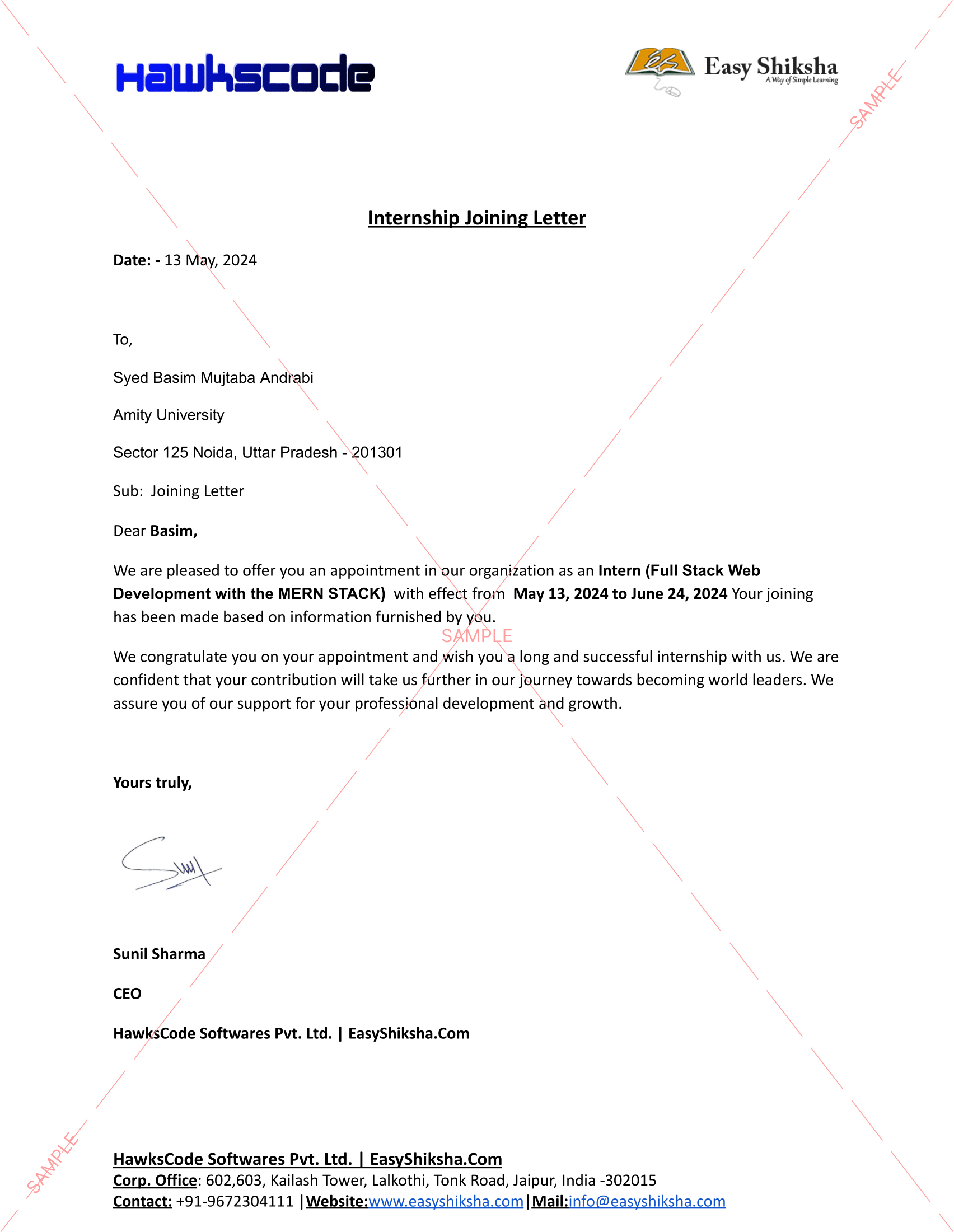
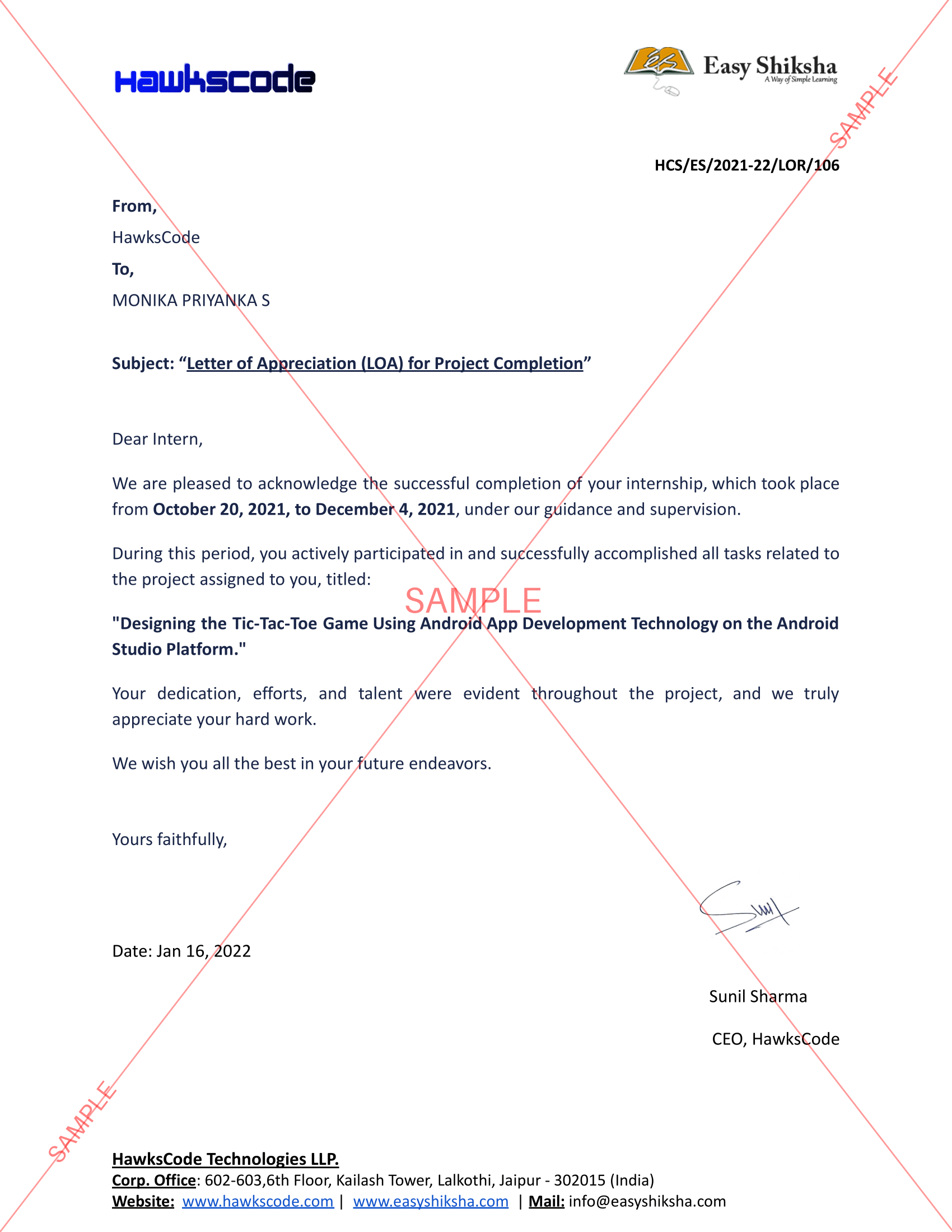




























In today’s competitive and rapidly evolving job market, academic knowledge alone is no longer sufficient to guarantee professional success. While degrees provide foundational knowledge, employers increasingly seek candidates who possess a well-rounded set of skills that allow them to adapt, collaborate, and perform effectively in real-world environments. For students preparing to enter the workforce, developing a comprehensive career toolkit of essential skills is critical.
A career toolkit refers to the combination of technical abilities, soft skills, and personal qualities that enable individuals to navigate professional challenges and opportunities. These skills not only enhance employability but also contribute to long-term career growth, leadership potential, and personal development. By focusing on skill development early in their educational journey, students can position themselves for success in diverse industries and roles.
The Importance of Skill Development for Students
Education plays a vital role in shaping students’ intellectual capabilities, but professional success requires more than theoretical knowledge. Employers expect graduates to demonstrate practical abilities, effective communication, and the capacity to solve problems independently.
Developing essential skills during the student years offers several advantages:
- Improved employability: Employers prioritize candidates who demonstrate relevant competencies.
- Better academic performance: Many skills such as time management and critical thinking enhance academic success.
- Career adaptability: Skilled individuals can transition between industries and roles more easily.
- Professional confidence: Strong skills help students feel more prepared for interviews, internships, and workplace challenges.
By actively building these abilities, students can transform themselves into well-rounded professionals ready to meet modern workplace demands.
Communication Skills
One of the most important components of a student’s career toolkit is effective communication. Regardless of industry or profession, the ability to convey ideas clearly and interact with others is essential.
Communication skills include both verbal and written communication, as well as the ability to listen actively and respond appropriately. In professional environments, clear communication ensures that tasks are understood, teamwork is effective, and misunderstandings are minimized.
Key aspects of strong communication skills include:
- Clear and confident speaking
- Professional email writing
- Active listening and understanding
- Public speaking and presentations
- Constructive feedback and discussion
Students can improve communication skills by participating in debates, presentations, group discussions, and collaborative projects. These experiences help develop clarity, confidence, and professionalism.
Also Read: Why Employers Prefer Skilled Candidates Over Just Degrees
Critical Thinking and Problem-Solving
Modern workplaces require employees who can analyze situations, evaluate information, and develop effective solutions. Critical thinking enables students to approach problems logically and make informed decisions.
Employers value individuals who can:
- Identify challenges and opportunities
- Analyze complex information
- Evaluate multiple perspectives
- Develop creative solutions
- Make sound decisions under pressure
Students can strengthen critical thinking through activities such as research projects, case studies, problem-based learning, and participation in academic discussions.
Developing this skill allows students to move beyond memorization and become innovative thinkers capable of addressing real-world challenges.
Time Management and Organization
Managing time effectively is essential for both academic success and professional productivity. Students often balance multiple responsibilities, including coursework, extracurricular activities, internships, and personal commitments.
Effective time management involves:
- Prioritizing important tasks
- Setting realistic deadlines
- Maintaining schedules and calendars
- Avoiding procrastination
- Balancing work and personal life
Students who master time management are better equipped to handle workplace deadlines and responsibilities. Tools such as digital planners, task management applications, and structured routines can significantly improve productivity.
Digital Literacy and Technical Skills
In an increasingly digital world, technological competence is a fundamental requirement for nearly every career. Digital literacy involves understanding how to use technology efficiently, responsibly, and strategically.
Essential digital skills include:
- Proficiency in office software and productivity tools
- Basic data analysis and interpretation
- Online communication and collaboration platforms
- Cybersecurity awareness
- Familiarity with emerging technologies
Depending on their field of study, students may also need specialized technical skills such as coding, graphic design, data management, or digital marketing.
Continuous learning and exposure to new technologies ensure that students remain competitive in the job market.
Teamwork and Collaboration
Most professional environments require employees to work in teams. The ability to collaborate effectively with colleagues from diverse backgrounds is a critical skill for career success.
Strong teamwork skills involve:
- Respecting different viewpoints
- Sharing responsibilities and tasks
- Communicating openly within the group
- Supporting colleagues and resolving conflicts
- Contributing actively toward shared goals
Students can develop teamwork abilities through group assignments, sports teams, student organizations, and collaborative research projects.
These experiences teach valuable lessons about cooperation, leadership, and interpersonal relationships.
Adaptability and Flexibility
The modern workplace is constantly changing due to technological advancements, global competition, and evolving business strategies. As a result, adaptability has become one of the most sought-after qualities in employees.
Adaptable students demonstrate the ability to:
- Adjust to new situations and environments
- Learn new tools and technologies quickly
- Accept constructive feedback
- Remain calm during unexpected challenges
- Embrace continuous improvement
Students can build adaptability by stepping outside their comfort zones, exploring new learning opportunities, and engaging in diverse experiences.
Leadership Skills
Leadership is not limited to managerial roles. Employers value individuals who can take initiative, guide others, and contribute positively to organizational goals.
Leadership skills include:
- Decision-making and responsibility
- Motivating and supporting others
- Strategic thinking
- Conflict resolution
- Accountability and integrity
Students can develop leadership abilities by taking active roles in student organizations, volunteer initiatives, project teams, and community activities.
These opportunities help cultivate confidence, responsibility, and the ability to influence positive outcomes.
Emotional Intelligence
Emotional intelligence refers to the ability to understand, manage, and respond effectively to emotions—both one’s own and those of others.
This skill plays a vital role in workplace relationships, teamwork, and leadership.
Key components of emotional intelligence include:
- Self-awareness
- Empathy and understanding others
- Emotional regulation
- Effective interpersonal communication
- Constructive conflict resolution
Students with high emotional intelligence often excel in collaborative environments because they can build strong professional relationships.
Networking and Relationship Building
Building professional relationships is an essential part of career development. Networking allows students to connect with mentors, industry professionals, and potential employers.
Effective networking involves:
- Attending career fairs and professional events
- Connecting with professionals on platforms like LinkedIn
- Participating in internships and industry programs
- Maintaining positive relationships with professors and mentors
- Following up with professional contacts
Networking provides valuable insights into career opportunities and helps students gain exposure to industry trends and expectations.
Creativity and Innovation
Creativity is no longer limited to artistic professions. Organizations across all industries seek individuals who can generate innovative ideas and approach challenges with fresh perspectives.
Creative thinking allows students to:
- Develop unique solutions to problems
- Improve existing processes
- Contribute innovative ideas during discussions
- Adapt to evolving business needs
Encouraging curiosity, experimentation, and open-mindedness helps students strengthen their creative abilities.
Professionalism and Work Ethics
Professional behavior and a strong work ethic are essential qualities that employers consistently value. Students who demonstrate responsibility, discipline, and integrity stand out in academic and professional environments.
Professionalism includes:
- Punctuality and reliability
- Respectful communication
- Accountability for responsibilities
- Commitment to quality work
- Ethical decision-making
Developing these habits during student life prepares individuals for successful professional careers.
Building Your Career Toolkit
Developing essential career skills requires intentional effort and consistent practice. Students can take proactive steps to build their career toolkit.
Effective strategies include:
- Participating in internships and practical training
- Engaging in extracurricular activities
- Attending workshops and skill-development programs
- Volunteering in community projects
- Taking online courses and certifications
- Seeking mentorship from professionals
Each experience contributes to personal growth and strengthens the skill set necessary for long-term career success.
The Role of Education in Skill Development
Educational institutions are increasingly recognizing the importance of skill-based learning. Many universities now incorporate experiential learning opportunities into their programs.
Examples include:
- Project-based coursework
- Industry internships
- Research collaborations
- Entrepreneurship programs
- Career development workshops
These initiatives help bridge the gap between academic learning and real-world professional expectations.
Preparing for the Future Workforce
The future workforce will require individuals who are adaptable, technologically competent, and capable of continuous learning. As industries evolve, students must be prepared to develop new skills throughout their careers.
Future-ready students focus on:
- Lifelong learning and professional development
- Staying updated with industry trends
- Developing interdisciplinary knowledge
- Building strong professional networks
These practices ensure long-term career resilience in a dynamic global economy.
Conclusion
In today’s competitive professional landscape, success depends not only on academic qualifications but also on a diverse set of practical and interpersonal skills. Building a comprehensive career toolkit allows students to navigate challenges, seize opportunities, and thrive in their chosen professions.
Essential skills such as communication, critical thinking, digital literacy, teamwork, leadership, and adaptability empower students to become valuable contributors to the workforce. By actively developing these abilities through education, experience, and continuous learning, students can prepare themselves for meaningful and successful careers.
Ultimately, a strong career toolkit equips students with the confidence, competence, and resilience needed to excel in an ever-changing professional world.
Get Some Courses: Learn to Code with Ruby , Fortifying Your Website