






















In today’s dynamic learning environment, students often enroll in multiple courses simultaneously to expand their skills and improve career opportunities. While this approach can accelerate growth, it also introduces a major challenge—confusion. Managing multiple subjects, deadlines, and concepts at once can quickly become overwhelming if not handled strategically.
The key to success lies in organization, clarity, and structured learning. Instead of treating multiple courses as separate burdens, students can integrate them into a cohesive learning system. Platforms like EasyShiksha are designed to support this process by offering structured pathways, progress tracking, and flexible learning options that simplify multi-course management.
Understanding the Challenge of Multi-Course Learning
Taking multiple courses at once can create cognitive overload. Each course comes with its own content, assignments, and expectations, which can lead to confusion if not managed properly.
Students often struggle with switching between subjects, remembering key concepts, and maintaining consistent progress. Without a clear system, this can result in incomplete courses and reduced learning outcomes.
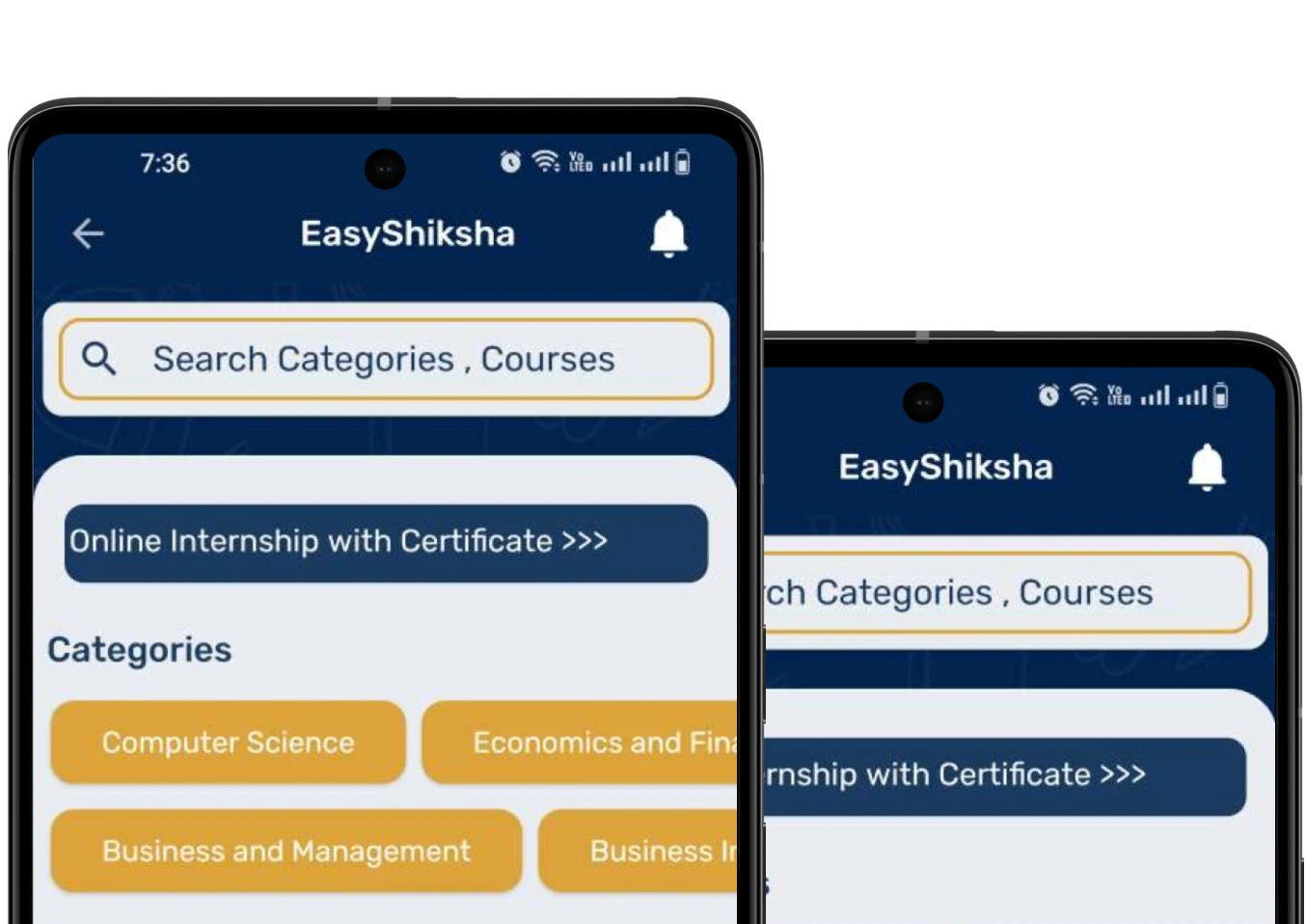
EasyShiksha addresses this challenge by providing an organized and user-friendly platform that helps students manage multiple courses efficiently.
Also Read: How to Sync All Your Study Devices for Maximum Efficiency
Setting Clear Objectives for Each Course
The first step in combining multiple courses effectively is defining clear objectives for each one. Understanding why you are taking a course helps create focus and direction.
When each course has a specific goal, it becomes easier to prioritize tasks and avoid unnecessary overlap. This clarity reduces confusion and enhances productivity.
EasyShiksha encourages goal-oriented learning by guiding students to align their courses with their career aspirations.
Creating a Structured Learning Plan
A well-structured plan is essential for managing multiple courses. Students should allocate specific time slots for each subject, ensuring balanced attention.
This approach prevents one course from dominating the schedule while others are neglected. It also creates a routine that supports consistency and discipline.
EasyShiksha’s flexible scheduling features allow students to design personalized learning plans that suit their needs.
Grouping Related Subjects Together
Combining courses that are related can simplify the learning process. When subjects share common themes or concepts, students can build connections and reinforce their understanding.
This integration reduces the mental effort required to switch between topics and enhances retention. It also makes learning more efficient and meaningful.
EasyShiksha offers curated learning paths that help students select complementary courses.
Avoiding Information Overload
One of the biggest risks of multi-course learning is information overload. Trying to absorb too much content at once can lead to confusion and reduced comprehension.
Students should focus on quality rather than quantity, ensuring that they understand each concept before moving on. Breaking content into smaller segments can help manage the load effectively.
EasyShiksha’s modular course structure supports this approach by presenting content in manageable units.
Using Effective Note-Taking Strategies
Organized note-taking is crucial for managing multiple courses. Keeping separate notes for each subject while maintaining a consistent format can improve clarity.
Digital tools can help students organize, search, and update their notes easily. This ensures that information is accessible and well-structured.
EasyShiksha’s digital resources complement note-taking by providing clear and structured content.
Maintaining Consistency Across Courses
Consistency is key to avoiding confusion. Regular study sessions for each course help maintain continuity and prevent gaps in understanding.
Skipping sessions or focusing on one course for too long can disrupt the learning balance. A steady and consistent approach ensures progress across all subjects.
EasyShiksha supports consistency through reminders and progress tracking features.
Prioritizing Tasks and Deadlines
Managing multiple courses requires effective prioritization. Students should identify important tasks and deadlines, ensuring that they are completed on time.
Using tools such as calendars and task managers can help organize responsibilities and avoid last-minute stress. This structured approach reduces confusion and improves efficiency.
EasyShiksha’s platform helps students track their progress and stay on top of their commitments.
Taking Breaks to Enhance Focus
Continuous studying without breaks can lead to fatigue and confusion. Short breaks allow the brain to process information and recharge.
Balancing study sessions with rest improves concentration and overall productivity. It also prevents burnout and maintains motivation.
EasyShiksha encourages balanced learning by allowing students to pace their studies effectively.
Leveraging Digital Tools for Organization
Digital tools play a significant role in managing multiple courses. From note-taking apps to scheduling tools, these resources help students stay organized.
Using synchronized devices ensures that all information is accessible and up to date. This integration enhances efficiency and reduces confusion.
EasyShiksha’s cloud-based platform supports multi-device learning, making it easier to manage courses.
Avoiding Multitasking During Study Sessions
While managing multiple courses, it is important to avoid multitasking. Focusing on one subject at a time improves understanding and retention.
Switching between tasks frequently can reduce efficiency and increase confusion. Dedicated study sessions for each course ensure better outcomes.
EasyShiksha’s structured content helps students stay focused on one topic at a time.
Tracking Progress and Reflecting on Learning
Regularly reviewing progress helps students stay motivated and identify areas for improvement. Tracking achievements across courses provides a sense of accomplishment.
Reflection allows students to evaluate their strategies and make necessary adjustments. This continuous improvement enhances learning effectiveness.
EasyShiksha offers progress tracking tools that support reflection and growth.
Building a Balanced Learning Routine
A balanced routine is essential for managing multiple courses. Students should allocate time for learning, relaxation, and other activities.
Maintaining this balance ensures long-term sustainability and prevents burnout. It also improves overall well-being and productivity.
EasyShiksha’s flexible platform allows students to create routines that suit their lifestyle.
The Role of EasyShiksha in Multi-Course Learning
EasyShiksha is designed to simplify the process of managing multiple courses. Its structured approach, interactive content, and progress tracking features help students stay organized and focused.
By providing a unified platform for learning, EasyShiksha reduces confusion and enhances efficiency. It empowers students to pursue multiple courses without compromising quality.
Conclusion
Combining multiple courses without confusion is a skill that requires planning, discipline, and the right tools. By setting clear goals, creating structured plans, and maintaining consistency, students can manage their learning effectively.
Avoiding information overload, prioritizing tasks, and using digital tools further enhance efficiency. EasyShiksha plays a crucial role in this process by offering a platform that supports organized and flexible learning.
In an era where continuous learning is essential, the ability to manage multiple courses successfully can open new opportunities. With the right strategies and the support of EasyShiksha, students can achieve their goals while maintaining clarity, focus, and confidence in their learning journey.
Get Some Courses: Accounting for Depreciation and Non-Controlling Interest , Digital Marketing & Advertising